When winter temperatures drop, frozen pipes become one of the most common and costly problems homeowners face. A frozen pipe doesn’t just stop water flow; it can burst, leading to extensive water damage, expensive repairs, and major inconvenience. Fortunately, with the right preparation and a few smart habits, you can significantly reduce the risk. Here’s a comprehensive guide on how to keep your home’s pipes from freezing, with practical tips recommended by professionals like Flow-Tech Plumbing & Heating.
Why Frozen Pipes Are Such a Big Problem
Water expands when it freezes. When this expansion occurs inside a pipe, pressure builds up quickly, often causing the pipe to crack or burst. The real damage typically happens not during the freeze, but when the ice thaws and water starts pouring out into walls, ceilings, or basements. Pipes most at risk include those in unheated areas such as basements, crawl spaces, attics, garages, and exterior walls.
Understanding where your home is vulnerable is the first step in preventing freezing issues.
Insulate Pipes in Cold-Prone Areas
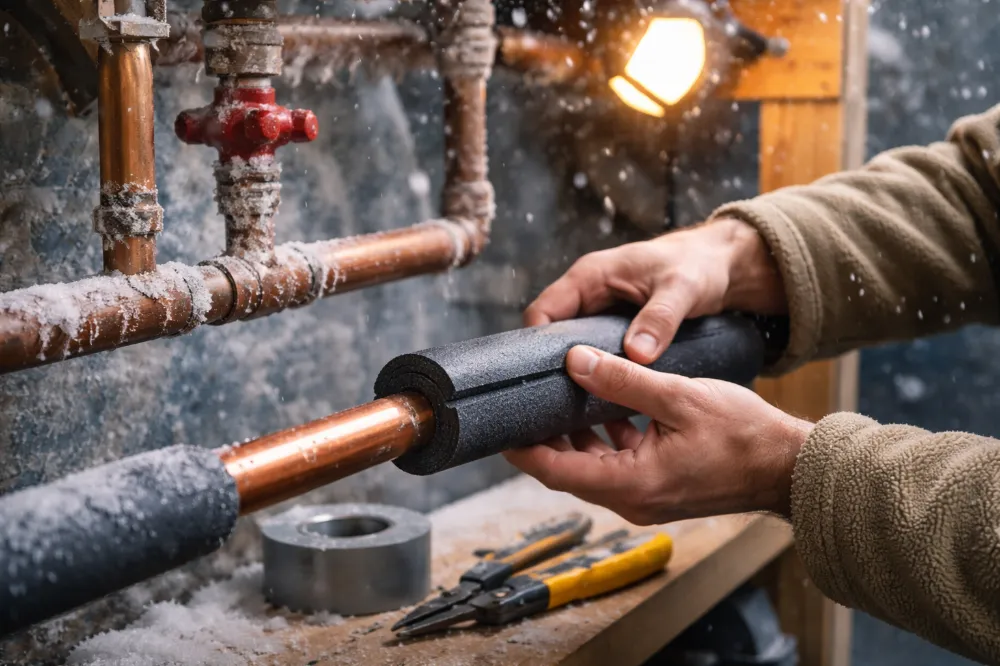
One of the most effective ways to prevent frozen pipes is proper insulation. Foam pipe insulation sleeves are inexpensive, easy to install, and highly effective. Focus on:
- Pipes in basements and crawl spaces
- Plumbing along exterior walls
- Pipes in attics or garages
For added protection, consider using heat tape or heat cables on pipes that are especially exposed to extreme cold.
Keep Your Home Warm Even When You’re Away
Maintaining consistent indoor temperatures is crucial. Set your thermostat to at least 55°F (13°C), even if you’re leaving town for a few days. Turning the heat down too low to save energy can cost far more if pipes freeze and burst.
If certain rooms are colder than others, open interior doors to allow warm air to circulate freely. This is especially important for rooms with plumbing on exterior walls, such as bathrooms and kitchens.
Let Faucets Drip During Extreme Cold
When temperatures plunge well below freezing, letting faucets drip slightly can help prevent pipes from freezing. Moving water is less likely to freeze than standing water. This method is particularly helpful for faucets connected to pipes running through exterior walls.
You don’t need a steady stream just a slow drip is enough to relieve pressure in the system and reduce the chance of freezing.
Seal Air Leaks and Drafts
Cold air entering your home can quickly freeze nearby pipes. Check for air leaks around:
- Windows and doors
- Electrical outlets on exterior walls
- Pipe entry points through walls and floors
Use caulk or weatherstripping to seal gaps and cracks. In unheated spaces, sealing drafts can make a significant difference in keeping pipes warm enough to avoid freezing.
Disconnect and Drain Outdoor Plumbing
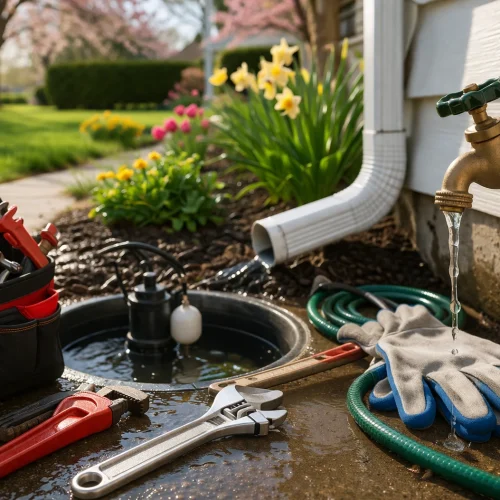
Outdoor hoses and faucets are often overlooked but are among the most vulnerable to freezing. Before winter arrives:
- Disconnect all garden hoses
- Drain and shut off outdoor water supply lines if possible
- Install insulated faucet covers
Failing to do this can allow cold air to travel into indoor pipes, increasing the risk of freezing inside the home.
Prepare for Extended Absences
If you plan to be away during winter, take extra precautions. In addition to keeping the heat on, consider shutting off the main water supply and draining the plumbing system. This step dramatically reduces the risk of flooding if a pipe does freeze and burst while you’re gone.
Professionals at Flow-Tech Plumbing & Heating often recommend this approach for vacation homes or extended winter travel.
Know What to Do If a Pipe Freezes
Despite best efforts, pipes can still freeze during extreme weather. If you suspect a frozen pipe:
- Turn on the faucet connected to the pipe.
- Apply gentle heat using a hair dryer, heating pad, or warm towels.
- Never use open flames or torches, as they can damage pipes and create fire hazards.
If you can’t locate the frozen section or safely thaw it, it’s time to call a professional plumber immediately.
Schedule Preventive Plumbing Maintenance
Preventive maintenance is often the most overlooked step in protecting your plumbing system. A professional inspection can identify vulnerable pipes, outdated materials, and insulation gaps before winter hits. Flow-Tech Plumbing & Heating offers expert evaluations to help homeowners winterize their plumbing and avoid costly emergency calls.
Final Thoughts
Keeping your home’s pipes from freezing is all about preparation, awareness, and consistent maintenance. By insulating pipes, sealing drafts, maintaining indoor temperatures, and taking extra steps during extreme cold or travel, you can protect your home from serious plumbing damage. When in doubt, consulting trusted professionals like Flow-Tech Plumbing & Heating can provide peace of mind and ensure your plumbing system is ready to handle even the coldest winter days.
FAQs
Pipes in unheated spaces like basements, crawl spaces, garages, and exterior walls are more exposed to cold air and freeze faster.
Pipes are at risk when temperatures drop to 32°F (0°C), but freezing often occurs when it stays below 20°F for several hours.
Yes, insulation slows heat loss and significantly reduces the chance of pipes freezing, especially in cold-prone areas.
Yes, during extreme cold, a slow drip helps keep water moving and relieves pressure, lowering the risk of freezing.
Turning off the main water supply and draining pipes is highly recommended for extended absences to prevent flooding.
Absolutely. Cold drafts near pipes can cause freezing, and sealing gaps helps maintain warmer temperatures around plumbing.
Yes, outdoor plumbing is very vulnerable and can allow cold air into indoor pipes if not disconnected and drained.
Use gentle heat like a hair dryer or warm towels; never use open flames or torches.
Common signs include reduced water flow, no water at the faucet, or visible frost on exposed pipes.
If you can’t locate or safely thaw the frozen pipe, or if a pipe has burst, contact a plumber immediately.