Home improvement projects often start with what’s most visible. Fresh paint, updated décor, new fixtures, and small styling changes can quickly make a home feel more modern and inviting. These upgrades are satisfying and relatively affordable, which is why they’re often the first place homeowners invest when working with a limited budget.

However, the smartest budget improvements don’t focus only on appearance. They start with protecting what holds the home together.
Balancing style upgrades with structural awareness helps ensure that money spent today continues to add value tomorrow. When homeowners invest strategically, they can improve comfort and aesthetics without compromising long-term durability.
Budget improvements that actually matter
Many homeowners pour time and money into surface-level upgrades while overlooking the underlying systems that support them. While paint and lighting can refresh a space, they don’t protect against long-term issues that can quietly erode home value.
Smart budget improvements focus on stability first.
When the structure of a home is healthy, interior and exterior updates last longer and deliver a better return on investment. Addressing small issues early helps prevent larger, more expensive problems that can derail even the best renovation plans. Rather than choosing between protection and style, the most effective approach combines both.
Why structural health is a smart budget investment
Small structural issues rarely announce themselves loudly. They tend to show up subtly, through hairline cracks, sticking doors, or uneven floors that are easy to dismiss. Left unaddressed, these minor signs can slowly affect the overall condition of the home. Prevention is one of the most cost-effective strategies available to homeowners.
Early interventions often cost significantly less than delayed repairs, which may require more invasive solutions. Addressing concerns before they escalate protects not only the structure itself but also any upgrades built on top of it. Interior improvements rely on stability. Flooring, cabinetry, tile work, and wall finishes perform best when the foundation beneath them remains level and secure. Without that support, even budget-friendly upgrades can fail prematurely.
Budget-friendly ways to protect your home
Taking care of structural health doesn’t always mean expensive projects. Many preventative steps are affordable and effective when done consistently. Proper drainage is one of the most impactful measures. Ensuring gutters are clear and directing water away from the home helps prevent moisture from collecting around the foundation. Downspouts should extend far enough to avoid soil saturation near the base of the house.
Managing soil moisture is equally important.
Extreme dryness or excess moisture can both cause soil movement. Maintaining consistent moisture levels around the home helps reduce stress on the structure. Sealing small cracks early prevents them from expanding. Minor gaps in walls, floors, or exterior surfaces should be monitored and addressed promptly. Paying attention to changes in doors, windows, or flooring can also provide early insight into structural shifts.
When concerns go beyond basic maintenance, professional foundation repair services can provide evaluation and guidance. Addressing issues early supports long-term stability while keeping costs manageable.
Affordable interior improvements that boost value
Once structural health is supported, interior upgrades become a smarter investment. Budget-friendly updates can significantly improve a home’s look and feel without requiring major renovations. A fresh coat of paint is one of the most cost-effective improvements. Neutral tones brighten spaces and appeal to a wide range of tastes. Updating lighting fixtures can also transform a room, improving both function and atmosphere.
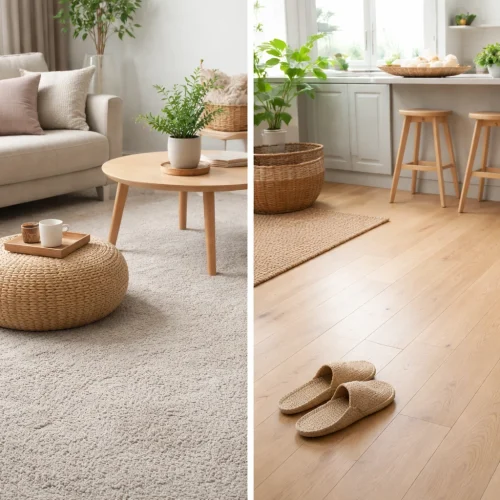
Cabinet hardware swaps offer a simple way to modernize kitchens and bathrooms. Replacing outdated knobs or pulls instantly refreshes cabinetry without the expense of replacement. Low-cost flooring updates, such as peel-and-stick options or refinishing existing surfaces, can dramatically change the appearance of a space. These upgrades are most effective when installed over stable, level surfaces, reinforcing the importance of structural care.
Exterior upgrades that improve curb appeal on a budget
Exterior improvements influence first impressions and contribute to overall home value. Many budget-friendly upgrades also support structural protection. Landscaping can be both aesthetic and functional. Grading soil away from the home helps manage water flow while enhancing curb appeal. Simple walkway improvements improve accessibility and reduce erosion near entry points.
Porch refreshes, including paint, rail updates, or new lighting, create welcoming entrances without large expenses. Outdoor lighting improves safety and highlights architectural features while remaining affordable. These exterior improvements work best when paired with attention to drainage and soil conditions, ensuring that style upgrades don’t inadvertently contribute to structural stress.
When DIY is enough—and when to call a pro
Many home improvement tasks are well-suited for DIY. Painting, hardware changes, minor landscaping, and basic maintenance can be handled by homeowners with time and care.
However, certain signs indicate the need for professional evaluation.
Persistent cracks, noticeable floor slopes, or recurring door and window alignment issues suggest deeper structural concerns. Ignoring these signs can undermine both budget upgrades and long-term value.
Professionals should be viewed as partners rather than salespeople.
Their role is to assess conditions, explain options, and help homeowners make informed decisions that align with their goals and budget. Strategic foundation repair ensures that DIY efforts remain worthwhile and durable rather than temporary fixes.
Balancing creativity with structural awareness
Budget-conscious homeowners often feel pressure to choose between aesthetics and protection. In reality, the two work best together. Creative updates bring joy and comfort, while structural awareness ensures those improvements stand the test of time.
By investing in stability first, homeowners create a strong base for ongoing upgrades. This approach prevents the need to redo work due to shifting or damage and helps maintain consistent home value. Smart spending doesn’t mean avoiding improvements. It means choosing upgrades that complement and support the home as a whole.
Smart spending creates long-term beauty
Improving a home on a budget doesn’t require cutting corners. It requires prioritizing what matters most. Structural health protects every dollar spent on décor, flooring, and finishes, making it one of the wisest investments homeowners can make.
By combining preventative care, thoughtful DIY projects, and professional support when needed, homeowners can create spaces that are both beautiful and durable. Strategic foundation repair, when appropriate, ensures that upgrades enhance value rather than hide underlying issues. When creativity is paired with awareness, budget improvements deliver lasting comfort, confidence, and long-term value.
FAQs
Projects that protect structural health, improve efficiency, and refresh key living spaces offer the best long-term value.
Structural stability ensures that paint, flooring, and finishes last longer and don’t fail prematurely.
Yes. Addressing small issues early usually costs far less than fixing major damage later.
Proper drainage prevents water buildup around the foundation, reducing the risk of cracks and shifting.
Paint, lighting updates, and new cabinet hardware provide noticeable improvements with minimal investment.
DIY projects can help if done correctly, but ignoring structural issues can reduce value over time.
If you notice persistent cracks, uneven floors, or sticking doors, a professional evaluation is recommended.
Yes. Landscaping, lighting, and porch updates enhance appearance and can support structural protection.
Unstable foundations can cause flooring, tile, and cabinetry to crack or shift, wasting upgrade costs.
Absolutely. Balancing style upgrades with preventative maintenance protects both beauty and value.