If you want your home to feel solid and comfortable, you have to pay attention to something called the “building envelope.” That’s just a fancy way of talking about your walls, roof, windows, and doors the outer shell that keeps the weather outside and your living space cozy. But even if your place is built like a fortress, time does its thing. Materials settle, shift, and wear down. Tiny gaps start to show up, and in a crowded city, those aren’t just drafty spots they’re open invitations to critters you definitely don’t want as roommates.
Why Regular Pest Control Is Part of Smart Home Maintenance
A lot of Toronto homeowners have added pest control to their regular maintenance routines. It’s not just about getting rid of unwanted guests. The real value comes from having a pro take a close look at your home’s perimeter. They spot little vulnerabilities most of us would never notice. With a thorough check, you keep your home for you and your family not the neighborhood raccoons.
The Shift Toward Exclusion and Prevention
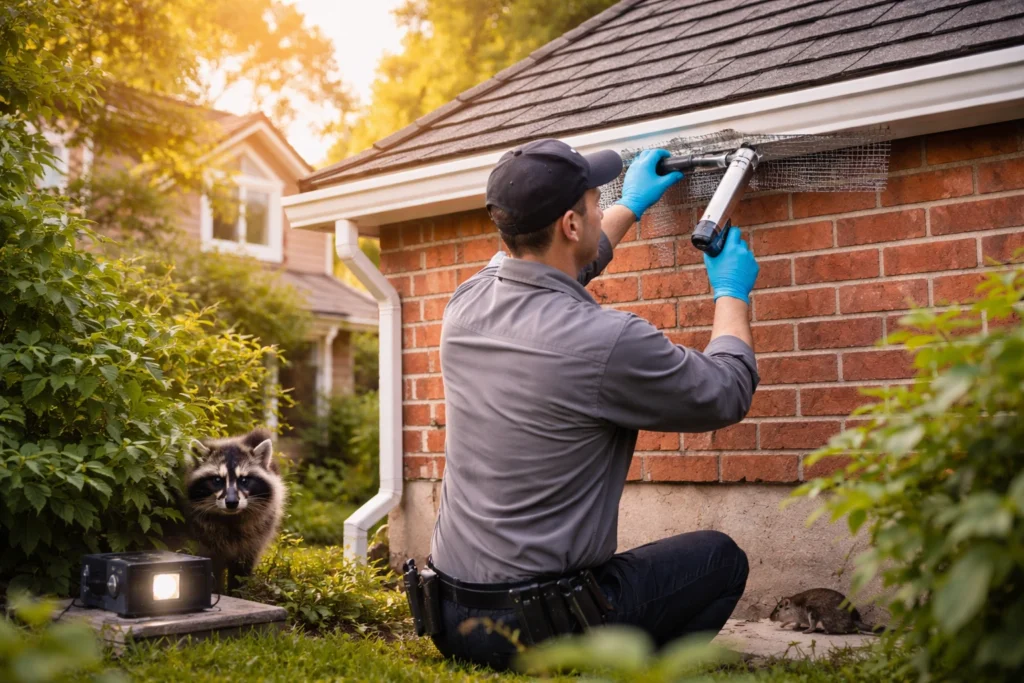
These days, a top-tier Toronto pest control company doesn’t just show up with a spray can. They focus on “exclusion” basically, making your home tough to break into, even for the smallest invaders. The industry’s changed. Back in the day, people just used chemicals after the fact. Now, with Integrated Pest Management (IPM), the focus is on prevention. They seal up entry points with copper mesh, heavy caulking, and weather stripping that actually works. This is especially important if you live in an older brick house those charming details often come with gaps pests love. By cutting off access, you finally break the cycle of seasonal infestations. Fix the problem at the source, and you can actually relax.
Understanding Toronto’s Seasonal Pest Patterns
You also need to know that pests have their own calendar. In Toronto, every season brings a new wave. Winter? Mice and insects want in. It’s wild, but a mouse only needs a hole the size of a dime. Raccoons and squirrels eye up loose roof vents for a warm hideout. Spring hits, and suddenly you’re dealing with termites and carpenter ants. They love damp wood, so if your foundation isn’t draining right, you’re basically setting out a welcome mat. Summer brings out the stingers and cockroaches high humidity is their jam. Torn screens and old door sweeps are all it takes for them to walk right in.
Smarter Technology for Modern Pest Control
Luckily, pest control has gotten a lot smarter. Instead of just looking for droppings or nests, companies now use thermal cameras to spot warm patches behind your walls clues that pests or moisture are hiding out. Motion sensors and smart traps even send alerts straight to your phone, so you can take action before things get out of hand. The best part? These tools are discreet. You don’t have to ruin the look of your home with ugly traps or bait stations. Everything blends in, and your place still looks sharp.
Pest Resilience and Property Value in 2026
There’s another upside here too property value. In 2026, inspectors actually rate homes on “pest resilience.” If you can show that your place is professionally sealed and maintained, buyers notice. Investing in exclusion and regular pest management isn’t just about comfort. It’s about protecting your home’s value and structure for the long haul.
Keeping Your Home the Sanctuary You Imagined At the end of the day, you want a home that feels safe, clean, and yours. Pay attention to your building envelope. Team up with people who know how to keep Toronto’s wildlife on the right side of your walls. That’s how you keep your house the sanctuary you always imagined.
FAQs
The building envelope includes your walls, roof, windows, doors, and foundation—everything that separates indoor space from the outdoors.
Sealing eliminates entry points that pests use to access warmth, food, and shelter inside your home.
Pest exclusion is the process of physically sealing cracks, gaps, and openings to prevent pests from entering in the first place.
A mouse can squeeze through a hole about the size of a dime, making tiny cracks a serious vulnerability.
IPM is a prevention-focused approach that combines sealing, monitoring, and minimal chemical use to control pests effectively.
Older materials shift and crack over time, creating small openings that pests can exploit.
Yes, winter drives rodents indoors, spring attracts wood-damaging insects, and summer increases cockroach and wasp activity.
Absolutely. Damp wood and poor drainage create ideal conditions for termites, carpenter ants, and other insects.
A well-sealed and maintained home shows buyers that the structure is protected from long-term pest damage.
Yes, many companies now use smart traps and thermal tools that blend into your home without visible clutter.