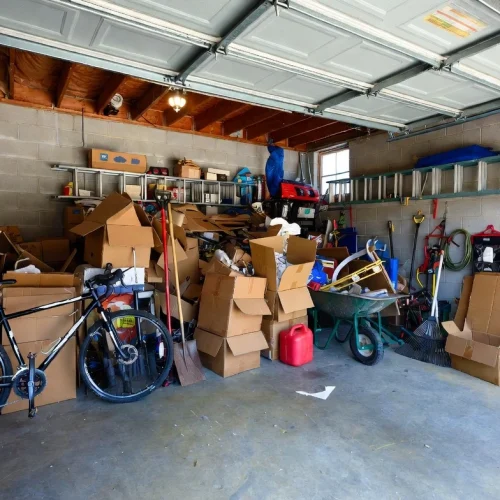
Moving day often starts with good intentions and ends in frustration. Boxes stack up in the wrong rooms. Important papers disappear when you need them most. Someone forgets to label a container, and suddenly, you are opening five boxes to find a coffee maker. What should feel like a fresh start quickly becomes stressful when there is no clear system in place.
This is especially true in growing communities like St. Charles, Illinois, where families relocate for new jobs, school districts, and expanding neighborhoods. With so many households moving in and out each year, competition for trucks, supplies, and scheduling fills up quickly. Without a plan, even a local move can feel complicated. Organization is not just helpful during a move; it is essential. When you treat your relocation as a structured project rather than a last-minute scramble, you protect your time, budget, and peace of mind.
Creating a Realistic Moving Timeline
A successful move begins with a detailed timeline. Start planning at least six to eight weeks before your move date. Break the process into weekly goals, such as gathering packing supplies, sorting through storage areas, and confirming transportation. When you map out each task on a calendar, you reduce the risk of overlooking important steps. Small actions taken consistently prevent larger problems later.
Many homeowners try to handle everything themselves, but coordinating schedules, lifting heavy furniture, and managing transportation can quickly become overwhelming. As the workload increases, it becomes harder to stay organized and on schedule. That is when professional support shifts from feeling optional to being a practical decision. If you live in St. Charles moving services from a company like Black Hawk Moving help protect your belongings, reduce the risk of injury, and make the entire process more manageable.
The “Master Moving Binder”: Your Command Center
Once your timeline is in place, create a central system to manage information. A master moving binder, whether physical or digital, keeps contracts, receipts, estimates, and checklists in one location. Instead of searching through emails or piles of paper, you can quickly reference key documents when questions arise. This simple step prevents confusion and saves time during busy weeks.
Divide your binder into sections. Include a master checklist, contact information for service providers, a budget tracker, and copies of important documents such as lease agreements or closing paperwork. If you prefer digital organization, use cloud storage and clearly labeled folders so you can access files from your phone on moving day. The goal is clarity. When everything has a designated place, decision-making becomes easier.
Decluttering with Purpose: The “Keep, Toss, Donate” Method
Before you pack a single box, take time to declutter. Moving offers a rare opportunity to evaluate what you actually use and value. Go room by room and sort items into three categories: keep, toss, or donate. Be honest with yourself. If you have not used something in over a year and it holds no meaningful value, it likely does not need to make the trip.
Decluttering reduces packing time and lowers transportation costs because you move fewer items. It also helps you start fresh in your new home without unnecessary clutter. Schedule donation drop-offs or arrange for charitable pickups early in the process. By clearing out excess belongings first, you create more physical and mental space, which makes the remaining steps of your move far more manageable.
The Logistics of Packing: Smart Labeling and Inventory Systems
Packing becomes manageable when you follow a clear system. Work room by room instead of jumping around the house. Label each box with the destination room and a brief description of its contents. This extra detail saves time when you start unloading. A box marked “Kitchen – Utensils and Dish Towels” is far more helpful than one labeled “Kitchen.”
Take the organization a step further with a numbering system. Assign each box a number and record it on a master inventory list. If something goes missing, you can quickly identify whether it was packed and where it belongs. Photograph electronics before disconnecting them so you can reconnect cords without guesswork. These small steps reduce frustration and help you stay in control.
Managing Utilities, Subscriptions, and Address Changes
Utility coordination often slips through the cracks during a move. Schedule shut-off dates at your current home and activation dates at your new one as soon as you confirm your moving day. Electricity, water, gas, and internet should be at the top of your list. Overlapping service for a day or two can prevent gaps and give you flexibility if plans shift.
Address updates also deserve early attention. Submit a change-of-address form with the postal service and notify banks, insurance providers, subscription services, and medical offices. Keep a running checklist in your binder and mark each update as you complete it. This prevents missed bills and ensures important mail reaches you without delay.
The “First Night” Essentials Kit
After a long day of moving, the last thing you want is to dig through boxes for necessities. Pack a clearly labeled essentials kit for each family member. Include toiletries, medications, a change of clothes, chargers, and important documents. Treat it like an overnight bag that stays with you rather than on the moving truck.
Add a small household kit as well. Paper towels, basic cleaning supplies, snacks, bottled water, and simple tools such as a screwdriver can make a big difference. When you know exactly where these items are, you can settle in comfortably without rushing to unpack everything at once.
Budgeting for a Move: Planning for Hidden Costs
Moving expenses extend beyond the truck rental or mover fee. Packing supplies, cleaning services, temporary storage, and utility deposits can add up quickly. Create a detailed budget early and track every estimate inside your moving binder. Seeing the full picture helps you avoid financial surprises.
Set aside a contingency fund of at least ten percent of your projected total. Unexpected costs often appear, whether it is replacing damaged items or extending storage for a few days. When you account for these possibilities in advance, you reduce stress and make more confident decisions throughout the process.