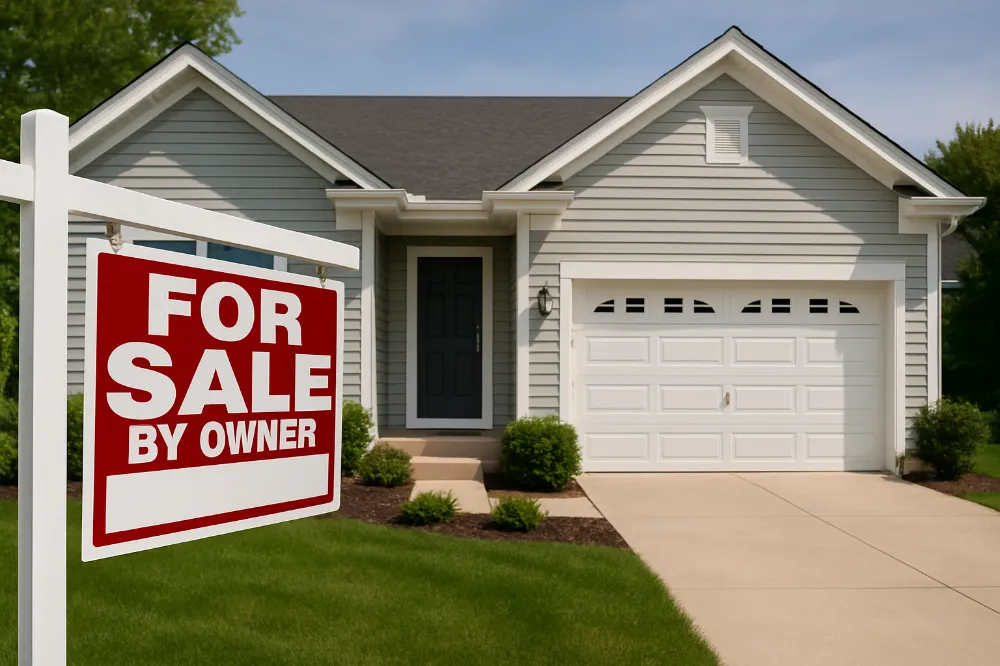
Selling your home without a realtor or often called For Sale By Owner (FSBO); can feel empowering. You’re in full control, you save on commission, and you get to make the decisions at every stage. But at the same time, handling paperwork, pricing, negotiations, and marketing on your own can quickly get overwhelming.
The good news? With the right preparation, FSBO can absolutely work. The secret lies in presenting your home so well that buyers fall for it instantly, something professional staging companies like D’CORE excel at. Below is your complete, human-friendly guide to selling your home without a realtor while avoiding the common FSBO pitfalls.
Is Selling Without a Realtor Right for You?
FSBO works best if you’re:
- Comfortable managing paperwork
- Willing to put time into marketing
- Confident communicating and negotiating
- Realistic with pricing your home
If you’re already juggling a busy schedule or struggle with photography, staging, and listing descriptions, bringing in some professional help for those parts can keep your sale on track while still saving on commission.
1. Get Your Home Ready to Sell
Here’s where most FSBO sellers either succeed or lose momentum. A buyer’s interest starts forming before they even step inside often from that very first listing photo.
Stage Your Home (Your Most Important Step)
Most homes don’t show as well as owners think. Furniture is often oversized, décor is personal, and rooms can feel smaller in photos.
Professional stagers can fix that by:
- Highlighting your home’s strengths
- Making spaces look bigger and brighter
- Creating emotional connection
- Designing rooms that photograph beautifully
Staging reduces buyer hesitation because they don’t need to imagine what the home could look like. They see it immediately and that leads to faster, higher-value offers.
Snap High-Quality Photos
Buyers scroll past bad photos instantly. Good FSBO photos should have:
- Natural lighting
- Wide angles
- Clutter-free composition
- Clear focus on space, not furniture
Poor lighting or dark corners can make even a large room look cramped another reason staging matters.
Determine Your Listing Price
FSBO sellers often overprice because they’re emotionally attached. Use:
- Comparable recent sales
- Local market data
- A professional appraisal (worth every penny)
Pricing too high early on leads to fewer views and a stale listing.
2. Write a Compelling Listing Description
Think of your listing as your home’s resume. It needs to spark emotion and provide clarity.
What Good Descriptions Do:
- Speak directly to the buyer
- Highlight lifestyle, not just features
- Are concise but intentional
Example of a Strong Description:
“A beautifully refreshed home featuring an airy open floor plan, soft neutral tones, and plenty of natural light. With a comfortable indoor-outdoor flow and a roomy backyard, it’s ideal for relaxed everyday living or hosting friends.”
Example of a Weak Description:
“Nice home, recently cleaned, big yard, call if interested.”
No emotion. No story. No reason to choose your listing over hundreds of others.
3. Managing Home Showings
Keep your home ready at all times; clean, neutral, and staged.
Tips for smooth FSBO showings:
- Open blinds for natural light
- Turn on all interior lights
- Keep counters and surfaces clear
- Add light scents (nothing overpowering)
And if your home is professionally staged, every showing feels like a curated experience rather than a rushed cleanup.
4. Handling Offers Like a Pro
Negotiating without a realtor can feel intimidating, but it’s manageable if you stay structured.
Key Points to Remember:
- Don’t be afraid to negotiate. Buyers expect it.
- Request earnest money to ensure the buyer is serious.
- Clarify contingencies (inspection, financing, appraisal).
- Review the purchase contract carefully, consider hiring a real estate attorney for this part.
- Be prepared for the inspection phase and follow-up negotiations.
- Track all deadlines to ensure a smooth closing.
FSBO Pros
- Savings on Commission – the biggest motivator
- Full Control over pricing, listing, and negotiations
- Flexible Showing Schedule
- Direct Communication with interested buyers
FSBO Cons
- Lower Average Sale Price
- Time-Intensive Marketing
- DIY Management of contracts, showings, and follow-ups
- Higher Risk of Costly Mistakes
Staging: The Smartest Shortcut for FSBO Sellers
You may be listing your home without a realtor but that doesn’t mean you should sell without professional support where it truly matters. Staging is one of the highest-ROI steps you can take. It makes your home look polished, neutral, modern, and irresistibly appealing especially online, where buyers form 90% of their first impressions.
Whether you need full-home staging, partial staging, or just key-room styling, D’CORE helps FSBO sellers:
- Create a move-in-ready visual experience
- Boost perceived value
- Stand out among competing listings
- Sell faster even without a realtor
If you’re going the FSBO route, staging is your competitive advantage… and often the difference between an “okay” offer and your best one.
FAQs
Yes, many homeowners successfully sell FSBO by handling pricing, marketing, showings, and negotiations themselves.
Most sellers save the listing agent’s commission, typically 2.5%–3%, but may still pay a buyer’s agent if the buyer is represented.
Pricing correctly and handling negotiations are usually the most challenging steps for FSBO sellers.
Yes high-quality, well-lit photos significantly increase buyer interest and online traffic.
Absolutely. Staging helps buyers visualize the space and often leads to faster, stronger offers.
Use comparable sales, local market data, or get a professional appraisal for accuracy.
Yes, many FSBO sellers hire stagers, photographers, or real estate attorneys while managing the sale themselves.
Be prepared for frequent appointments and keep your home clean, neutral, bright, and staged.
Review all terms carefully, negotiate confidently, and consider hiring a real estate attorney for contract guidance.
Common risks include legal mistakes, overpricing, weaker marketing, and accepting unfavorable contract terms.