A small leak inside the toilet can quietly waste more water than people realise. A running toilet might not look urgent, but over weeks and months, it can increase water bills and put unnecessary strain on parts that were designed to last for years.
The first sign is usually sound. You flush, walk away, and minutes later, you still hear the tank refilling. That steady trickle often means the toilet is running water constantly inside the cistern, even when nobody is using it. What seems minor can add up to serious water waste over time.
The good news is that most causes are simple and easy to understand. Once you know how the parts work together, it becomes much less intimidating to fix a running toilet.
Why You Should Fix a Running Toilet Immediately
Many people underestimate how much water a small leak uses. A toilet running water constantly can waste hundreds of litres daily. Over a month, that equals thousands of litres literally going down the drain without being used.
This ongoing water loss affects:
- Higher water bills
- Increased environmental impact
- Faster wear on internal components
- Greater risk of future plumbing issues
Fixing the issue early is not about panic. It is about prevention and smart maintenance.
What Causes a Toilet to Run Continuously?
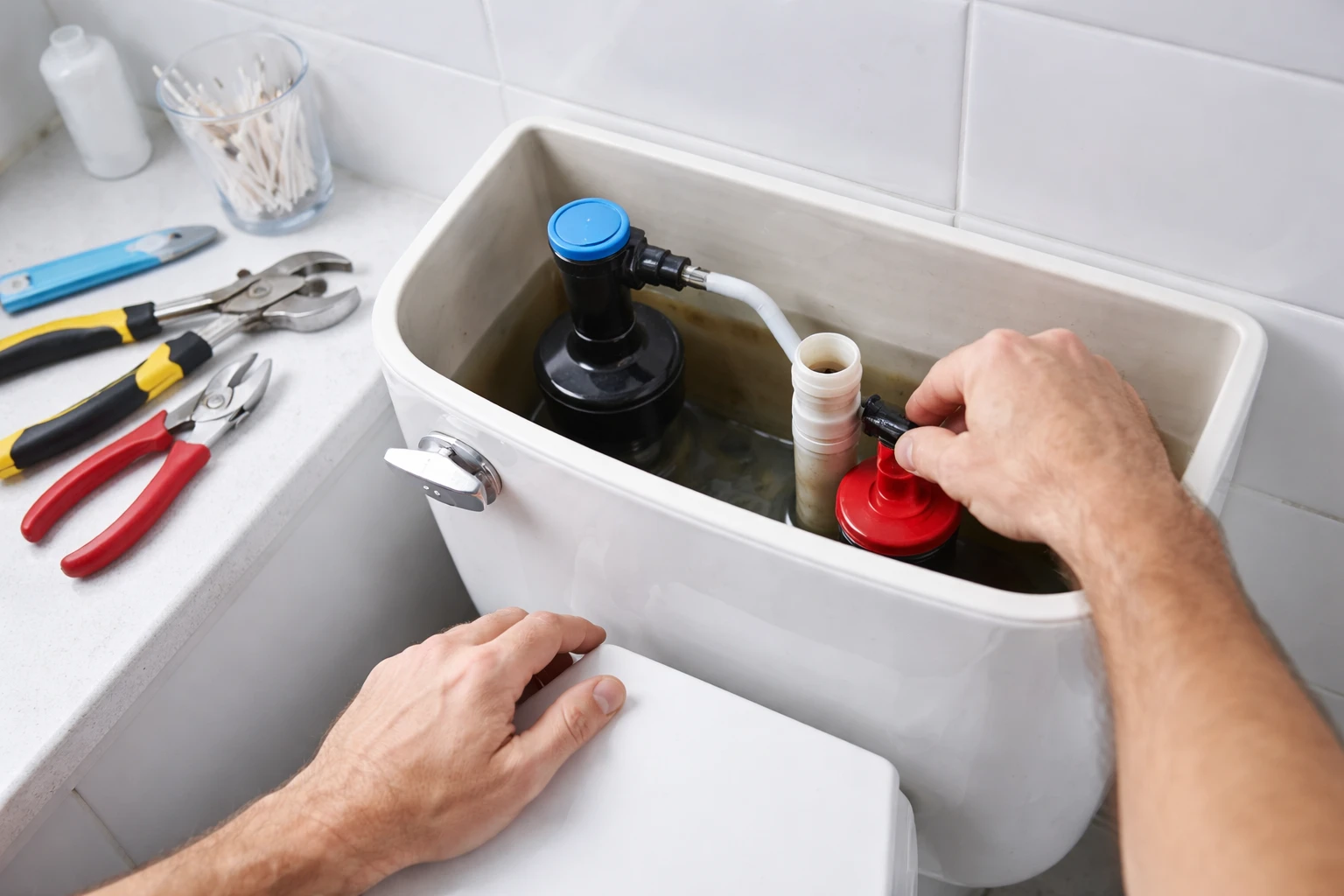
Inside the tank, there are only a few working components. They rely on timing and water level balance. When one part fails to seal properly, the system keeps trying to refill itself, and you end up with a running toilet that does not stop.
Here are the usual causes:
1. Worn flapper seal
The rubber flapper keeps water in the tank. Over time, it becomes stiff, warped, or coated with mineral residue. When it cannot sit flat, water slowly escapes into the bowl. The tank keeps refilling forever.
2. Float set too high
If the water level rises above the intended line, it flows into the overflow tube. The fill valve thinks the toilet was flushed and refills repeatedly. This is one of the most common reasons for the toilet running water constantly.
3. Fill valve aging
Older valves lose accuracy and shut off late. Even a few millimetres too high is enough to trigger continuous refill cycles.
4. Chain problems
A chain that is too tight holds the flapper open. A tangled chain prevents sealing.
5. Mineral buildup
Hard water leaves deposits on moving parts. They stick slightly open instead of closing fully.
What You Can Do Before Calling a Plumber
Before contacting a local plumber in Sydney, there are a few safe checks you can do yourself. You do not need special tools, and you will not damage anything by observing. Lift the lid and observe.
- Watch the water level: If water flows into the overflow tube, lower the float slightly.
- Inspect the flapper: If it feels stiff or uneven, it likely needs replacement.
- Adjust the chain: There should be a little slack. Not tight, not tangled.
- Flush once and wait: The tank should stop filling within about a minute.
- Food colour test: Add food colouring to the tank and wait 10 minutes without flushing. If colour appears in the bowl, water is escaping past the seal.
Many households manage to fix a running toilet in under ten minutes just by adjusting the float height.
What Simple Fixes Can Stop a Running Toilet?
You do not always need professional services for minor wear. These parts are designed to be replaceable.
- Replacing the flapper seal
- Adjusting the float screw or clip
- Shortening the chain
- Cleaning mineral residue from the valve
- Re-seating the fill valve cap
These cost very little but stop a lot of water waste. However, if the problem returns repeatedly, it may indicate deeper wear inside the mechanism.
Why Does a Running Toilet Keep Coming Back Even After Repairs?
Sometimes you replace a part, and the noise stops, then returns a week later. That is when a local plumber in Sydney becomes very helpful.
Recurring refill cycles can mean:
- hidden internal cracks
- valve seat damage
- worn overflow seals
- pipe pressure imbalance
- base seal leakage
What sounds like a simple refill noise might actually be a water escaping somewhere in the system. A trained eye can identify the difference quickly, which prevents replacing parts repeatedly.
Signs That Your Toilet Components Are Wearing Out
Toilets are simple but constantly used. Manufacturers expect internal rubber components to wear gradually. Around the 20 to 25 year mark, problems become more frequent because seals lose flexibility.
Typical signs of aging include:
- frequent running toilet episodes
- slower shut off
- inconsistent flush strength
- stains forming in the bowl
- needing to jiggle the handle
At this stage, people often think the toilet is “just old” when actually it only needs proper repairs or internal component replacement. Modern valves are quieter and regulate water level more accurately, which reduces future problems.
How to Maintain Your Toilet
Most households never open the cistern unless something breaks. A yearly check prevents surprise leaks.
You can follow this simple routine:
- Lift the lid and inspect once every few months
- Replace rubber seals every few years
- Avoid harsh in-tank cleaners
- Listen after each flush occasionally
- Watch for unexplained water bill increases
Small maintenance keeps you from needing emergency toilet repairs in Sydney.
Conclusion
Once you fix a running toilet properly, the difference is immediate. The tank fills, stops, and stays silent. No late night refill sounds. No random trickling in the background.
Whether you choose to handle the adjustment yourself or eventually consult a trusted professional, taking action early makes a difference. Small plumbing problems rarely stay small. They simply stay unnoticed until the cost builds up.
Understanding how to fix a running toilet gives you confidence and control. In many cases, the solution is straightforward, affordable, and far less complicated than it first appears. A bathroom should be quiet when not in use. If it is not, your plumbing is simply asking for attention.
FAQs
If you hear water refilling long after flushing or notice constant trickling sounds, you likely have a running toilet.
A toilet running water constantly can waste hundreds of litres per day, significantly increasing your water bill.
A worn or misaligned flapper seal is the most common reason water leaks from the tank into the bowl.
Yes, many issues like adjusting the float or replacing the flapper can be done in under 15 minutes without special tools.
There may be issues with the fill valve, overflow tube, or internal seals that require closer inspection.
It is not usually urgent, but fixing it quickly prevents water waste and higher utility costs.
Add food colouring to the tank and wait 10 minutes; if colour appears in the bowl without flushing, the flapper is leaking.
Intermittent running often means the flapper seal is slightly warped or mineral buildup is preventing a full seal.
Rubber parts like flappers typically last a few years, while full internal mechanisms may need replacement after 20–25 years.
If the problem keeps returning or you suspect hidden cracks or pressure issues, a professional plumber should inspect it.