Moving into a new place is exciting, but move-in day can quickly lead to scratched floors, dented walls, or finding small problems too late. With a bit of preparation, you can protect your new home and make your move go more smoothly from start to finish.
If you’re planning a coastal move, especially into older buildings or narrow streets, getting organized early is important. Before moving day, take a few simple steps to protect surfaces, prevent damage, and keep your home clean and safe, whether you’re moving on your own or hiring professional movers in San Pedro.
Do a quick “pre-move inspection”
Before anything comes inside, walk through your new home and look for:
- Existing scuffs, cracks, chipped paint, or loose trim
- Floor damage (gaps, lifted edges, soft spots, stains)
- Door alignment issues (doors that scrape floors or stick)
- Narrow corners, tight stairs, low ceilings, or delicate railings
What to do
- Take photos and short videos of every room (include corners and floors).
- If it’s an apartment/condo, email your building manager a quick note: “Move-in condition documented on (date).”
This protects you in case a building tries to blame you for existing damage.
Protect floors first before furniture arrives
Floors are usually the first thing to get damaged. Most move-day floor issues happen from grit, dragging, and heavy legs.
For hardwood or engineered wood
- Vacuum or sweep first. Even small bits of grit can cause big scratches.
- Lay down floor runners, rosin paper, or thick cardboard to create paths from the entry through the hallway to the main rooms.
- Use felt pads on furniture legs before placing items.
For tile
- Cover high-traffic routes with cardboard or runners to prevent chips and grout damage.
- Avoid putting tape directly on delicate grout. Use painter’s tape only if necessary.
For carpet
- Use carpet film or runners.
- Try to keep a no-shoes-inside policy if you can, or offer shoe covers.
Guard walls, corners, and door frames
Walls get nicked most often during turning, stair carries, and doorway passes.
Simple protections that work
- Put corner guards on high-risk turns (stair landings, hallway corners).
- Tape cardboard (painter’s tape) around door frames and narrow entry points.
- Remove wall decor and any fragile shelves near moving paths.
If your home has fresh paint, let it cure a bit longer before moving in heavy items if you can.
Prep tight areas: stairs, elevators, and hallways
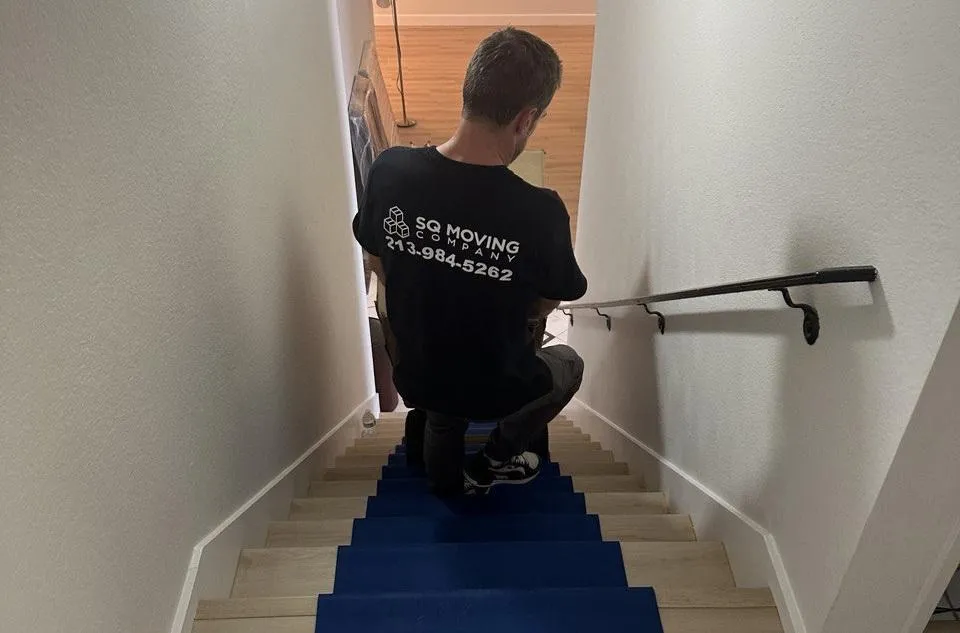
These are the “damage zones,” especially in condos and multi-units.
Stairs
- Ensure stair treads are clean and dry.
- Add runner coverage and ensure it won’t slip.
- Identify low-hanging light fixtures or narrow turns.
Elevators (if applicable)
- Reserve the elevator and ask if protective pads are available, since many buildings provide them.
- Confirm move-in time windows and parking rules.
- Measure the elevator doors and interior depth, especially if you have large items like sofas or refrigerators.
Cover entry points like a pro
Your entry door and threshold take a beating from repetitive traffic.
Quick checklist
- Place a thick mat both outside and inside to help reduce grit.
- Pad the threshold with cardboard to reduce scuffs.
- Keep the door propped open with a doorstop so it doesn’t slam on hands or edges.
Create a “clean zone” and a “staging zone”
This is one of the most underrated move-day upgrades.
Clean zone
Choose one room or a corner to keep clean and free of boxes, and stock it with:
- Toilet paper, soap, paper towels
- Trash bags, wipes, basic tools
- Water, snacks, phone chargers
Staging zone
Choose another spot near the entry for:
- Boxes that don’t belong in main rooms yet
- Packaging materials and breakdown piles
- Items that need assembly later
This helps prevent chaos and cuts down on unnecessary walking, which also reduces floor damage.
Protect the air: filters, vents, and dust control
Moving stirs up a lot of dust, especially if you’re bringing boxes from storage.
What to do
- Replace HVAC filters before you move in, or right after.
- Keep windows slightly open if the weather is good.
- If you need to patch walls or drill, use a vacuum at the same time to control dust.
Secure safety basics before furniture blocks access
It’s much easier to take care of these things before your home is filled with furniture.
Safety priorities
- Check smoke/CO detectors and replace batteries.
- Locate your main water shutoff.
- Test important outlets, especially if you’re moving into an older unit.
- If you have kids, plan where to anchor heavy furniture like dressers or TV stands to prevent tip-over risks. The U.S. Consumer Product Safety Commission has general guidance on furniture tip-over prevention.
Plan furniture placement to prevent “move it twice”

Moving heavy furniture multiple times is one of the main reasons floors get scuffed and walls get dented.
Do this instead
- Sketch a basic floor plan (even rough is fine).
- Use painter’s tape to label areas for items like “SOFA,” “BED,” or “DINING.”
- Put notes on doorways, such as “Boxes for Bedroom 2” or “Fragile items for Office.”
This saves time and lowers the risk of mistakes when moving or turning items.
Use the right packing strategy to protect the home
Packing isn’t just about keeping your items safe. It also helps protect your home.
Packing tips that reduce home damage
- Use smaller boxes for heavy items (books, dishes) so they don’t drop easily.
- Don’t overpack boxes. If they burst, you could end up with spills and broken items.
- Wrap sharp edges (picture frames, metal legs, tools).
- Keep your “open-first” essentials separate so you don’t have to dig through boxes in a hurry.
Set move-day rules that prevent accidents
A few simple rules can help keep your move calm and safe:
- Keep walkways clear and avoid leaving piles in hallways or on stair landings.
- Set up a one-way traffic flow, coming in through the front door and out through the side if possible.
- Keep pets in a closed room or with a friend.
- Assign one person to act as the “home protector” and keep an eye on corners, doors, and floors.
After the move: quick checks before you relax
Before you settle in, do a quick final walk-through:
- Look for fresh scuffs or dents and address them while things are still accessible.
- Vacuum high-traffic areas to remove grit.
- Check that doors close smoothly, since moving furniture can sometimes bump hinges out of alignment.
- Make sure shared building areas are left clean if you’re in an apartment or condo.
When should I start these preparations—days or weeks before moving day?
Start planning 2–4 weeks before moving day if you can.
- 2–4 weeks before: Measure doorways, hallways, stairs, and elevators; reserve the elevator/loading zone (if needed); plan furniture placement; order protection supplies.
- 3–7 days before: Deep-clean floors, patch/touch up paint (give it time to cure), clear tight walkways, and install felt pads on furniture legs.
- Move day (30–60 minutes before unloading): Sweep/vacuum traffic routes, lay down floor protection from entry to key rooms, and pad door frames/corners where large pieces will pass.
Where can I buy or rent protective materials like runners, pads, or corner guards?
Most supplies are easy to find locally, and you can rent specialty equipment if needed.
Where to buy:
- Home improvement stores (Home Depot/Lowe’s): Floor protection paper/boards, painter’s tape, drop cloths, felt pads, foam corner guards.
- Moving supply stores/U-Haul: Moving blankets (pads), stretch wrap, mattress bags, door-frame protection, basic floor runners.
- Online retailers: Bulk corner guards, reusable runners, carpet film, furniture sliders.
Where to rent:
- Tool rental shops/local rental yards: Appliance dollies, furniture dollies, heavy-duty hand trucks, and specialty equipment.
- Some moving companies: Wardrobe boxes, TV boxes, and other supplies may be available for purchase or rental.
What if my home has unique features like spiral stairs or historic finishes—are there extra steps?
Yes—tight layouts and delicate finishes need a bit more planning.
- Spiral stairs: Measure the narrowest turn and head clearance. Plan to disassemble bulky furniture (beds, sectionals) and discuss alternate access (balcony/window) if safe and allowed.
- Historic finishes (original hardwood, plaster walls, antique trim): Use thicker floor protection and extra corner padding. Avoid strong adhesives—use painter’s tape and test in a hidden spot first.
- Fresh paint/refinished floors: Confirm cure time before placing heavy furniture. Use breathable protection and avoid materials that trap moisture.
If I hire movers, do they provide these protections, or should I prepare them myself?
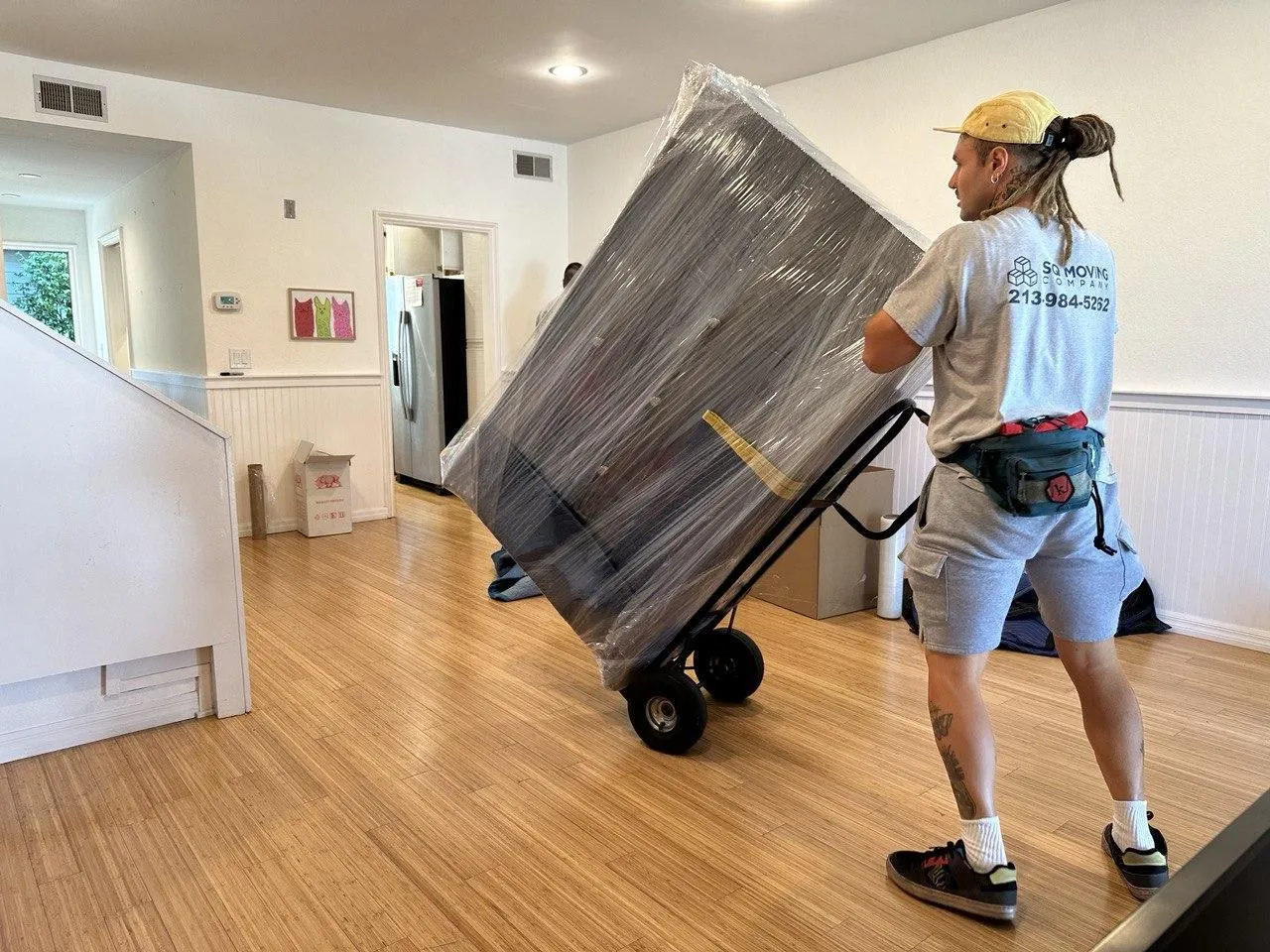
Many professional movers bring basic protection, but it varies—so confirm ahead of time.
What movers usually provide:
- Moving blankets (pads) and shrink/stretch wrap for furniture
- Dollies and standard moving equipment
- Basic padding for tight carries
What you should still do:
- Clear walkways, remove fragile wall décor, and label rooms for efficient placement.
- Ask if they provide floor runners and door/corner guards, especially for tight hallways, stairs, elevators, or delicate floors.
If your home has high-risk features (spiral stairs, narrow turns, luxury finishes), let your movers know in advance so they can bring extra protection and plan the safest route.
Final thoughts
Protecting your new home before you move in doesn’t require special equipment. With some smart planning and a few barriers in the right spots, you can avoid most damage. Focus first on floors, corners, doors, and tight stairways.
If you prefer to have professionals handle the heavy lifting and logistics, you can learn more about SQ Moving Company in Los Angeles and plan a move that protects both your belongings and your new home.