Spray paint wrinkling in humid weather is one of the most frustrating problems a DIYer or professional can face. You lay down what looks like a smooth, even coat. You step back. It looks perfect. Then an hour later, the surface starts to ripple, crinkle, and distort like drying mud. The finish you worked for is ruined. If you’ve ever searched for how to prevent spray paint wrinkling in humid weather, you already know this issue can turn a simple project into a complete redo.
Humidity is often the silent culprit.
If you want consistent, professional-looking results even when the air feels heavy and damp you need to understand what’s happening at the chemical level and how to control the environment, your technique, and your timing. This guide breaks it all down in practical, actionable detail so you can prevent spray paint wrinkling in humid weather before it starts.
What Spray Paint Wrinkling Really Is
Spray paint wrinkling happens when the surface layer of paint dries faster than the underlying layer. The top forms a skin. Beneath it, solvents are still evaporating. As those trapped solvents try to escape, they push and distort the surface. The result? Ripples. Alligator skin. Soft, uneven textures.
It looks like a surface shrinking unevenly.
In dry conditions, solvents evaporate at a predictable rate. In humid conditions, that process slows down dramatically. Moisture in the air interferes with evaporation. The top layer may still dry from airflow or temperature exposure, but underneath, the paint stays soft longer. That imbalance creates tension. Tension creates wrinkles.
Humidity changes everything.
Why Humidity Makes It Worse
Spray paint dries primarily through solvent evaporation. When humidity levels rise, the air is already holding significant moisture. That means it cannot absorb additional vapor efficiently. Evaporation slows. Now combine that with warm temperatures. The top layer dries quickly from heat exposure, but the bottom layer cannot release solvents fast enough. You’ve created a trapped system.
Humidity also increases the risk of condensation. If the surface temperature is close to the dew point, microscopic moisture can settle on the material. Even if you don’t see water droplets, that thin layer of moisture disrupts adhesion and drying consistency. To better understand how moisture in the air behaves, you can review the explanation of relative humidity on Wikipedia.
It only takes a small imbalance.
Understanding Dew Point
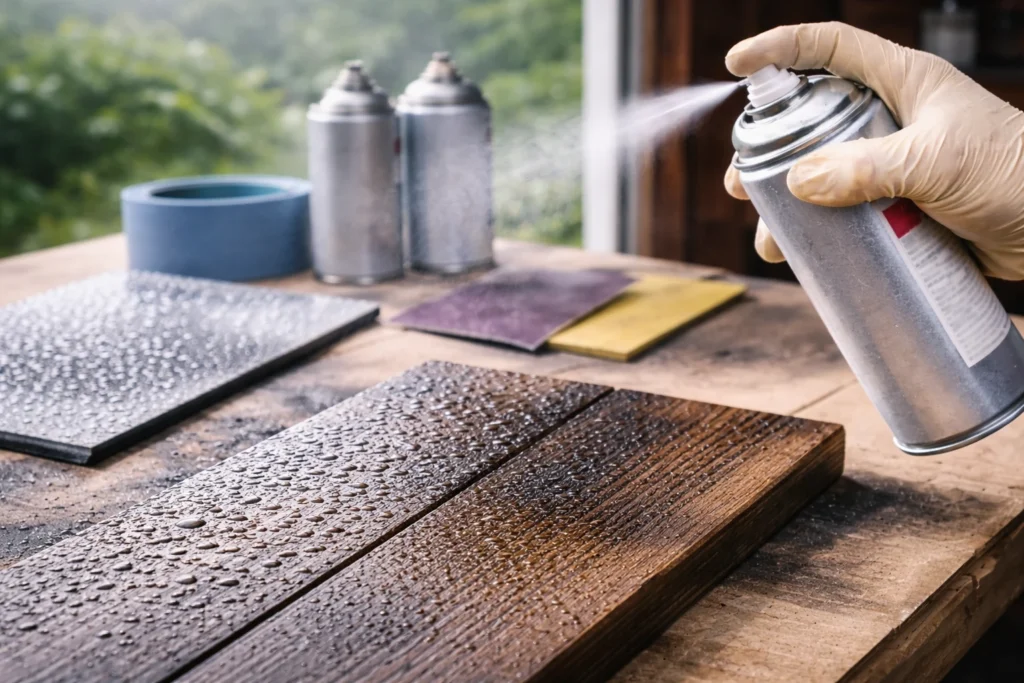
Dew point is the temperature at which air becomes saturated and water vapor condenses into liquid. If you’re painting on a surface that’s within a few degrees of the dew point, you are gambling. For example, if the air temperature is 80°F and the dew point is 75°F, your painting window is narrow. Surfaces cool quickly especially metal. Once the surface temperature drops near that dew point, moisture forms invisibly.
The National Weather Service explains dew point and atmospheric moisture in more detail. Professional painters aim to keep the surface temperature at least 5°F above the dew point. That buffer protects against hidden condensation.
Ideal Conditions for Spray Painting
To prevent spray paint wrinkling in humid weather, aim for:
Temperature: 50°F to 85°F
Relative Humidity: Under 60%
Surface Temperature: At least 5°F above dew point
Light airflow, not direct wind
Above 70% humidity, your risk increases significantly. Above 80%, you should strongly reconsider spraying unless you can control the environment. Check conditions before you shake the can. It’s the simplest prevention step.
How to Check Weather Properly
Don’t rely on how it feels outside. Humidity isn’t always obvious.
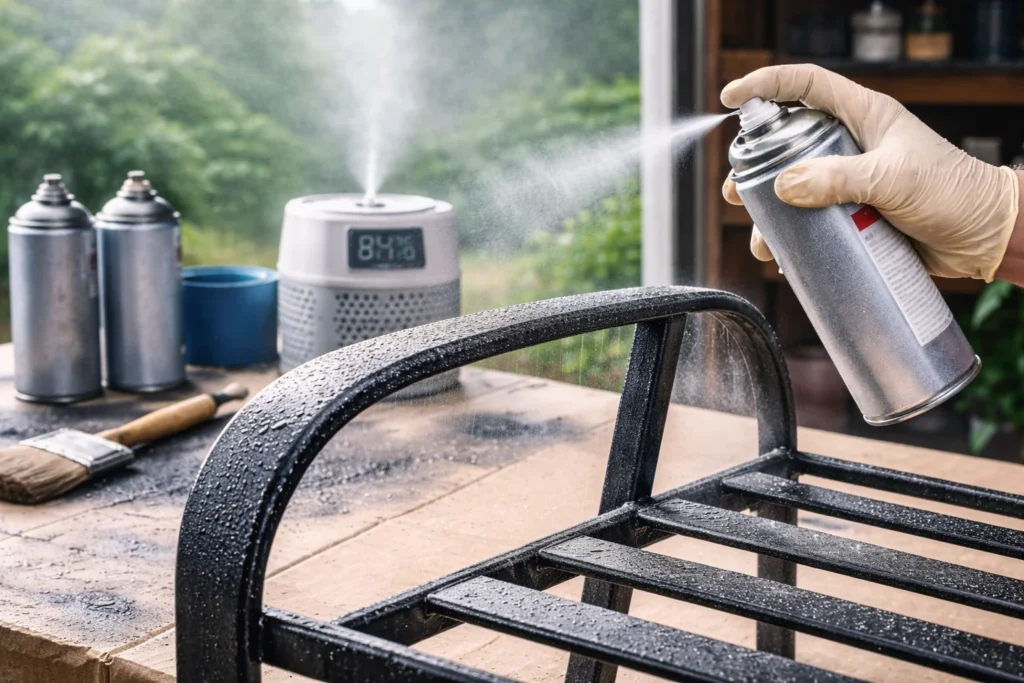
Use a weather app that shows both relative humidity and dew point. If you’re serious about consistent results, invest in a digital hygrometer and thermometer. They’re inexpensive and give real-time readings. If you’re painting indoors, measure the space. Garages and sheds often trap moisture, especially after rain.
Numbers matter more than guesswork.
Surface Preparation: Your First Line of Defense
Humidity magnifies preparation mistakes.
Start with a completely clean surface. Remove grease, oil, wax, and dust using a degreaser or appropriate cleaner. Any contamination slows curing even further in humid conditions. After cleaning, let the surface dry completely. If you washed it with water, wait longer than you think you need. In humid weather, drying takes more time. Next, sand properly. Use the correct grit for your material typically 180 to 320 grit for general prep. Sanding creates mechanical adhesion, which helps paint bond even if drying is slightly delayed.
Wipe down with a lint-free cloth. Ensure zero moisture remains.
Paint Choice Matters
Not all spray paints react the same in humid weather.
Fast-dry formulas are generally safer because they minimize the time solvents remain trapped. Acrylic-based spray paints tend to handle humidity better than some heavy enamel formulations. However, even fast-dry paints can wrinkle if applied too thick. Always use compatible primer. Incompatible layers increase solvent reaction and trapping. Read the recoat instructions carefully. Many products require either:
Recoat within 1 hour
Or wait 24 to 48 hours
Missing that window is one of the most common causes of wrinkling.
Application Technique: Thin Wins Every Time
If there’s one rule to follow, it’s this: apply thin coats.
Heavy coats are your enemy.
Hold the can 8 to 12 inches from the surface. Move steadily. Overlap passes by about 50%. Keep the can moving before and after each pass. Never stop in one spot. Apply a light tack coat first. Let it flash for 10 to 15 minutes. Then apply a second light coat. Repeat as needed. Multiple thin layers cure more evenly than one thick layer. Especially in humid conditions.
Recoat Timing Is Critical
Manufacturers include specific recoat windows for a reason. If the label says “recoat within 1 hour or after 24 hours,” follow it precisely. In humid weather, err on the side of longer drying times if you’re outside the early window. Recoating too soon traps solvents beneath the new layer. Recoating too late when the surface is partially cured can cause solvent reactions that wrinkle the finish.
Set a timer. Don’t guess.
Control the Environment When Possible
Sometimes you can’t wait for perfect weather. So you adapt.
If you’re painting indoors:
Use a dehumidifier. Lower humidity below 60% before spraying.
Run fans to promote air circulation but don’t point them directly at the surface.
Keep doors partially open for airflow.
If you’re painting outdoors:
Choose midday rather than early morning or late evening. Humidity is usually lowest in the afternoon.
Avoid painting right after rain.
Avoid painting when storms are forecast.
A temporary plastic spray booth can help regulate airflow and reduce moisture exposure.
Common Mistakes That Cause Wrinkling
Let’s be direct.
Spraying too heavy.
Ignoring humidity levels.
Recoating outside the proper window.
Painting over damp surfaces.
Not shaking the can long enough.
Holding the can too close.
Painting in direct sun where the top layer dries too quickly.
Each mistake compounds the effect of humidity.
If you’ve ever finished a project and asked yourself, “why is my spray paint wrinkling after drying,” one of these mistakes combined with high humidity is almost always the answer.
Professional Tips for Consistency
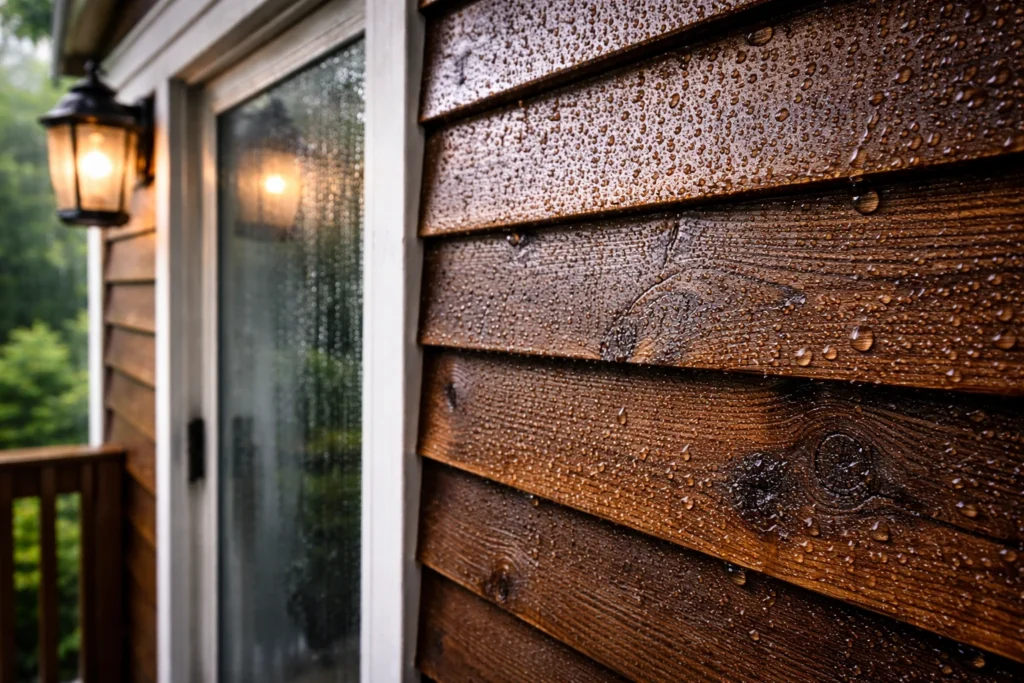
Test first. Always spray a scrap piece or hidden section before committing to your project. Store spray cans at room temperature. Cold paint thickens and sprays unevenly. In high humidity, extend dry times between coats. Even if the surface feels dry, underlying solvents may still be evaporating.
If needed, bring the project indoors to cure fully.
Patience produces better finishes than rushing.
What to Do If Wrinkling Already Happened
Stop. Don’t try to fix it immediately.
Let the paint fully cure. This may take 24 to 72 hours depending on conditions. Once hardened, sand the wrinkled surface smooth. Feather the edges evenly. Clean thoroughly. Then reapply thin coats under better environmental conditions. If the wrinkling is severe, you may need to strip the paint entirely and start over.
Trying to spray over partially wrinkled paint almost always makes it worse.
The Bigger Picture
Spray paint wrinkling in humid weather is not random. It’s predictable. It’s preventable.
It happens because solvents get trapped. Because moisture slows evaporation. Because thick coats create imbalance. Because we rush. When you understand the science, you stop guessing. You start planning around humidity instead of fighting it.
You choose the right time of day.
You measure the air.
You apply thinner coats.
You wait longer between layers.
Those small adjustments make the difference between a flawless finish and a wrinkled disaster. Humidity doesn’t have to ruin your project. You just have to respect it. Master that, and your spray finishes will look smooth, professional, and durable no matter how heavy the air feels outside.
FAQs
High humidity slows solvent evaporation, trapping moisture beneath the surface and causing the top layer to ripple.
Anything above 70% relative humidity significantly increases the risk of wrinkling and drying issues.
It’s not recommended unless you can control the environment with dehumidifiers and proper ventilation.
If the surface temperature is close to the dew point, condensation can form and disrupt proper curing.
Yes, heavy coats trap solvents underneath and increase the likelihood of surface distortion.
Follow the label instructions, but consider extending drying time slightly in high humidity.
Yes, lowering indoor humidity below 60% greatly improves drying consistency.
This usually happens due to trapped solvents, thick application, or recoating outside the proper window.
Midday is typically better because humidity levels are often lower than early morning or evening.
Let it fully cure, sand the surface smooth, and reapply thin coats under better conditions.