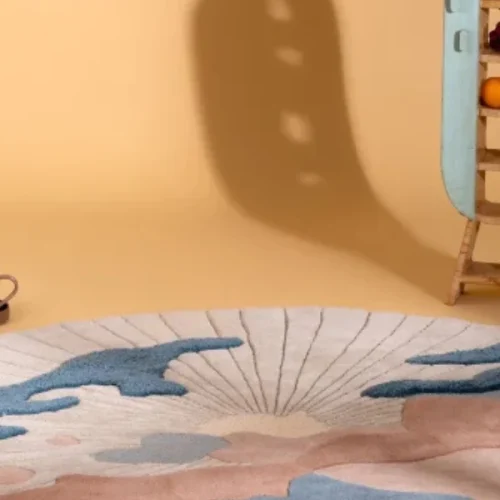
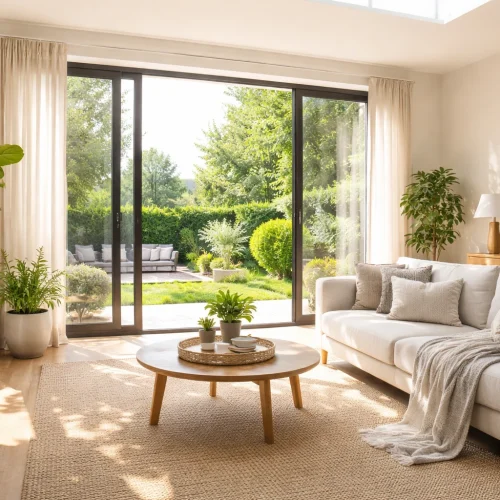
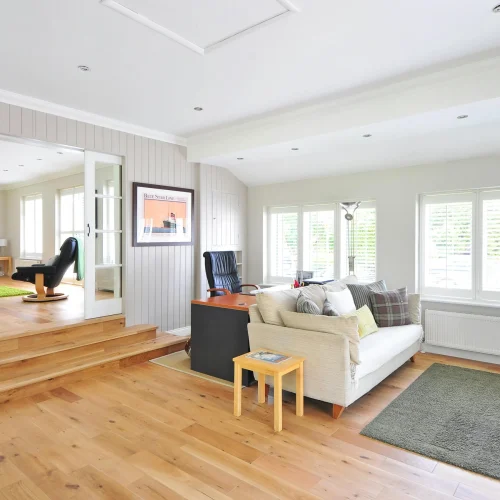
Your home’s welcoming atmosphere starts right at your front door. The entryway makes a vital first impression that tells visitors what to expect, even before they step inside.
A warm and cozy house needs more than just good looks, it should appeal to all senses. Soft pillows, throws, and rugs add inviting layers of texture. Nothing sets the mood better than the right lighting. The real magic comes from seasonal scents like cinnamon or vanilla that boost the atmosphere.
This piece will show you easy ways to turn your home into a welcoming haven. We’ll cover everything from entryway basics to lighting tricks, personal touches, and spaces that make guests feel at home. Your house can become a place where people feel the warmth as soon as they walk through the door.
Set the Tone at the Entrance
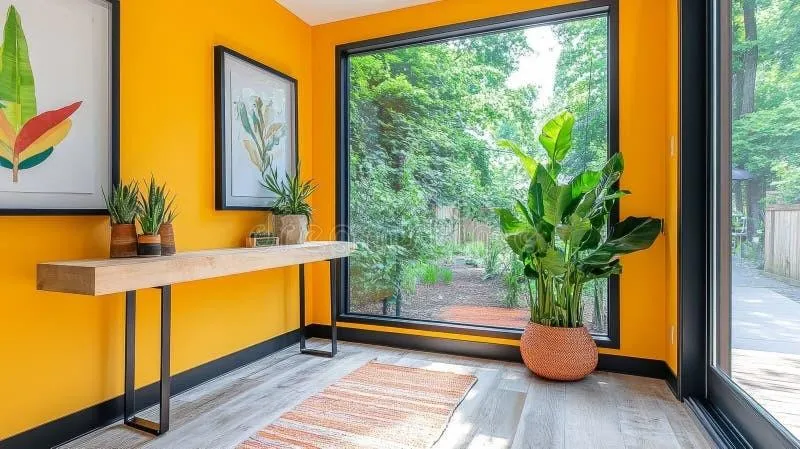
Your home’s entrance does more than just let people in, it creates lasting first impressions and sets the mood throughout your space. The foyer bridges the gap between the outside world and your home’s heart. You need to design it with both style and function in mind.
Add a seasonal wreath or doormat
A warm welcome starts with seasonal decorations right at your threshold. Hanging wreaths celebrates each season and adds your personal touch to the entrance. Winter calls for traditional evergreens while spring blooms with flower-filled designs. These decorative elements show care and attention from the first look. The wreaths bring joy right away with their lifelike greenery, natural textures, and festive accents that blend with any home décor.
Your doormat should offer both practicality and style. Skip the simple options and pick one with character or interesting texture. This small detail leaves a surprising impact, especially when you add fresh greenery or twinkling lights. Your wreath and doormat should match to create an intentional look that greets guests before they knock.
Keep the space clutter-free
A tidy entryway reflects the rest of your home. Entries often become family drop zones where mail, shoes, keys, and daily items pile up and create chaos.
Smart storage solutions help maintain an inviting entrance. Look for furniture that serves two purposes, like a console with drawers, a chest with compartments, or a bench with hidden storage. These pieces hide necessities while keeping the space welcoming.
Mail and paperwork tend to create clutter. A small cubby system helps sort items among family members. Regular cleanup of these areas maintains that vital first impression. When welcoming guests, placing a perfect gift basket in a designated spot such as a console table or entry shelf helps keep the area organized while still adding a thoughtful detail.
Use Color, Light, and Texture to Create Comfort
Your home’s interior presents many ways to build a warm atmosphere through smart design choices after welcoming guests at the entrance. Smart use of colors, lighting, and textures are the foundations of any welcoming space.
Choose warm or bright color palettes
Colors substantially affect our emotional experience of a space. Warm colors like yellows, oranges, reds, and their combinations add energy, positivity, and sunshine to any room. These shades help make larger spaces feel welcoming and work great in kitchens and living rooms.
Earthy tones like beige with golden undertones, clay, terracotta, or cocoa brown create a cozy environment. Some blues can feel warm too, especially aqua tones that have a touch of green. Warm colors can brighten up your space and add warmth when you have a north or east-facing room that feels cold.
Layer lighting with lamps and candles
Lighting doesn’t just light up a space, it creates mood better than almost any other design element. A single overhead light creates harsh shadows. You should layer light from multiple sources:
- Ambient lighting: Soft, dimmable overhead fixtures providing even illumination
- Task lighting: Table or floor lamps offering targeted light for reading or activities
- Accent lighting: Candles, string lights, or decorative fixtures adding intimate glow
This layered approach lets you switch your room from a productive daytime space to a cozy evening retreat. Warm-toned bulbs create a gentler atmosphere that helps you relax.
Add soft throws, pillows, and rugs
Textiles make any space feel layered, inviting, and warm instantly. A throw placed on your sofa adds texture and comfort right away. Different materials work well together. You can try pairing a chunky knit throw with velvet pillows to create visual and tactile interest.
Mix various textures to maximize impact: soft velvet, plush faux fur, rough linen, or woven cotton. The room gains depth and dimension without needing major renovations or spending too much.
Incorporate Personal and Sensory Touches
A truly inviting home involves all the senses through personal elements that build emotional connections with your space.
Display family photos or meaningful objects
Personal mementos make houses feel like real homes with character. Displaying cherished photos in custom frames adds instant warmth by celebrating special moments frozen in time. You can group smaller collections in decorative bowls or glass cases to make them look organized rather than messy. Even simple items like matchbooks from trips or tiny trinkets become beautiful décor pieces when arranged with care.
These personal touches give your space something unique that trendy, disposable items can’t match, they spark genuine connections and start conversations that tell your story.
Use cozy scents
Scents shape our emotions and create distinct atmospheres. Vanilla brings warmth and often reminds people of home-baked cookies, while cinnamon can trigger memories of holiday gatherings. These aromas connect to parts of our brain that control emotions, helping us feel relaxed. Mint offers a fresh, clean scent that can boost energy and clarity, making spaces feel lighter and more refreshing without losing their sense of comfort. You can easily add these comforting fragrances throughout your home with diffusers, candles, or essential oils.
Play soft background music
Sound shapes how we perceive spaces by a lot. Instrumental jazz, bossa nova, or nature sounds create a peaceful atmosphere without lyrics that might distract from conversation. Acoustic elements help reduce noise bounce, and soft music adds the final touch to your warm, welcoming space.
Make Spaces Functional and Guest-Friendly

A truly welcoming home needs more than just decoration—you need to arrange spaces thoughtfully to improve both comfort and interaction.
Arrange seating for conversation
The best conversation areas have furniture pieces facing each other, which lets people chat without straining. When you’re hosting larger gatherings, keep furniture arranged so everyone’s heads are no more than 8 feet apart. This helps people read facial expressions and talk at normal volumes. Moving seating away from walls creates more intimate settings. You might want to try circular, U-shaped, or L-shaped arrangements that naturally get people talking. It also helps to have several movable pieces like ottomans or small chairs that guests can shift around during get-togethers.
Keep essentials like blankets and slippers available
Having comfort items within reach makes guests feel truly at home. Your extra pillows, blankets, and towels should be stored where visitors can find them easily. Quality throws add warmth while bringing in texture and color. Guest slippers are a thoughtful touch that shows real hospitality right away. A collection of soft blankets and pillows lets guests kick back and relax completely.
Add a drink or snack station
A self-service refreshment spot lets guests help themselves without feeling uncomfortable. Set up a designated space with drinks, simple snacks, and all the serving items needed. Stylish trays or tiered stands keep everything tidy and look great too. Your station should include water, coffee, tea, and easy snacks like nuts, dried fruits, or quality chocolate.
Conclusion
A warm and inviting home isn’t about perfection or following design rules exactly. It’s about how a space makes people feel the moment they step inside. When a home feels comfortable, relaxed, and lived in, guests naturally let their guard down. That sense of ease often matters far more than stylish furniture or carefully chosen décor.
Creating that atmosphere also strengthens the way you experience your own home. A space designed with comfort and connection in mind tends to feel calmer during everyday life, not just when company arrives. When your surroundings support conversation, rest, and small moments of enjoyment, your home becomes a place that restores energy rather than drains it.
In the end, the most inviting homes share one thing in common: they reflect intention. Small details, thoughtful choices, and an awareness of how people move and feel within the space can completely change the mood of a room. When warmth is built into the environment itself, guests don’t just feel welcomed, they feel genuinely at home.
FAQs
A welcoming home combines comfort, thoughtful design, and sensory details like soft lighting, cozy textures, and pleasant scents.
The entryway sets expectations for the rest of the home and immediately signals whether the space feels cared for and welcoming.
Adding a seasonal wreath, stylish doormat, and keeping the space clutter-free can instantly elevate the entrance.
Warm tones such as beige, terracotta, soft yellows, and warm blues help rooms feel comfortable and inviting.
Layered lighting using ambient lights, table lamps, and candles creates a soft, relaxed mood that feels more inviting than harsh overhead lighting.
Throws, pillows, and rugs add warmth, texture, and visual depth, making rooms feel softer and more lived-in.
Family photos and meaningful objects add character and authenticity, helping guests feel emotionally connected to the space.
Warm, familiar scents like vanilla or cinnamon promote relaxation, while light fresh scents like mint keep spaces feeling clean and balanced.
Seating should face inward and be close enough for easy conversation, encouraging connection and comfort.
Providing blankets, slippers, and a self-serve drink or snack station shows thoughtfulness and helps guests relax effortlessly.