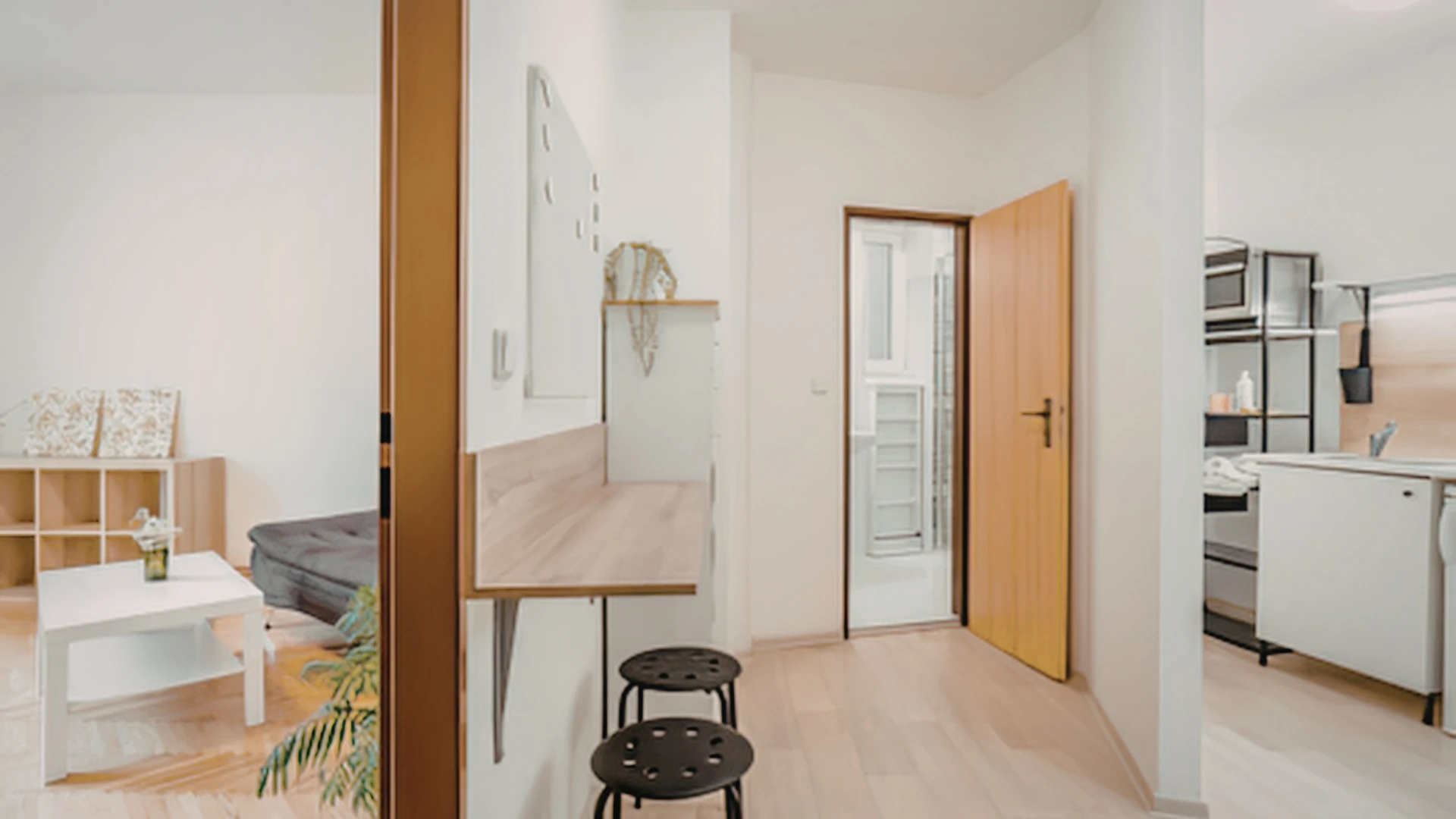
Most people think design is about colors, furniture, or decor. But the real story starts with your layout. It shapes how you move, how you relax, and how your day flows from morning to night. When a layout works, life feels easier without you even noticing.
When it doesn’t, small problems keep adding up. The good news is, this is something you can fix with the right ideas. A smart layout isn’t about making your home look better; it’s about making it work better for you. And once that clicks, your whole space starts to feel right.
Foundational Principles Behind a Functional Modern Home Layout
Good layouts are earned, not stumbled upon. They require understanding how real people move through a home on real days, and then designing deliberately around those patterns.
Design Rules Rooted in Daily Choreography
Think of your morning as a sequence: bed to bathroom, coffee, keys, car. Every well-executed modern home layout shortens that path. It removes the dead-end corner. It clears the sightlines. The mudroom, for instance, belongs directly between the garage and kitchen, not tucked somewhere inconvenient. That single adjacency decision eliminates enormous recurring friction. Small choices like that are what separate layouts that age well from ones that quietly frustrate.
Matching the Layout to Your Actual Life
Before you draw a single line, map your household’s real weekly activities. Remote work? Weekend hobbies? Aging parents moving in within a decade? Young kids who become teenagers and eventually leave? A sharp, compact modern house floor plan built around your genuine routines will outperform a sprawling, unfocused one every time. Ask yourself honestly, which spaces get used daily, which ones rarely, and which might need to shift function in five years?
Designing for Climate, Not Just Aesthetics
Colorado Springs is a particular case: dramatic temperature swings, exceptional high-altitude sunshine, and serious Front Range snowfall make climate response a non-negotiable layout consideration, not an afterthought. This is where experienced professionals earn their value.
Homeowners in the region regularly turn to Colorado custom home builders who routinely orient homes to capture passive solar gain in winter, manage summer glare, size mudrooms to accommodate bulky gear, and position covered entries to handle snow load intelligently. That regional knowledge matters enormously.
Defining a Modern House Floor Plan That Fits Your Household
Principles provide direction. Now the work is converting that direction into a structured floor plan that serves your life without wasting square footage.
Priority Mapping Before Room Sizing
List every weekly activity your household depends on. Then sort each one as “must-have,” “nice-to-have,” or “future upgrade.” This exercise, straightforward as it sounds, prevents modern house floor plan bloat, where rooms accumulate without purpose, and square footage climbs without improving livability. You’d be surprised how often this step gets skipped.
Zoning Public, Private, and Service Areas
Thoughtful interior space planning separates three distinct zones: public (kitchen, living, dining), private (bedrooms, baths), and service (laundry, mechanical, storage). Common configurations like L-shapes, split-bedroom plans, and U-shapes each address different noise and privacy challenges. No single pattern wins universally; the right one depends entirely on how your household actually operates.
| Zoning Pattern | Best For | Key Benefit |
| Split-Bedroom | Families with kids | Acoustic separation between primary and secondary bedrooms |
| L-Shape | Work-from-home households | A distinct quiet wing away from social areas |
| U-Shape/Courtyard | Multigenerational living | Independent zones with shared outdoor connection |
| Open Single-Level | Empty nesters, accessible living | Minimal transitions, aging-in-place friendly |
Building in Flexibility from Day One
Pew Research data shows that 22% of adults 65 and older now live in multigenerational households, up from 17% in 1990. Planning for a main-level suite, wider hallways, and a stacked closet that can later become an elevator shaft costs almost nothing during initial construction. Waiting to address these needs later? That’s a costly renovation problem.
Interior Space Planning, Room by Room
With your zones mapped and future needs considered, each room deserves deliberate, precise thinking, not just a rectangle on a page.
Entry and Mudroom Design That Holds Up to Real Use
An undersized entry is one of the most common floor plan errors, and one of the most expensive to fix afterward. Your mudroom should accommodate coats, shoes, sports gear, and pet supplies without spilling into the kitchen. Hallways need at minimum 36-inch clear widths, but 42 inches, honestly, is where daily movement starts to feel effortless rather than tolerated.
Kitchen and Dining as the Anchor of the Home
Move past the basic triangle. The best home layout ideas treat the kitchen as an interconnected zone, prep island, casual dining peninsula, and back pantry to protect counter space, while maintaining a visual connection to the living area without fully collapsing into it. That balance matters more than most people realize until they’re actually living in the space.
Bedrooms That Adapt Over Time
Primary suites need three things working together: ensuite access without crossing household traffic, closet placement adjacent to the bath, and real acoustic separation from public areas. Secondary bedrooms should stay flexible. Today’s nursery is tomorrow’s home office, guest room, or creative studio.
Tools, Process, and Common Floor Plan Mistakes
From Concept to Buildable Plans
Start loose, bubble diagrams before dimensions. Online tools like Floorplanner or RoomSketcher let you pressure-test home layout ideas quickly and cheaply. Then print the plan and walk it at full scale using painter’s tape on the floor. Clearances, door swings, and traffic paths feel entirely different at real scale than they do on paper.
The Mistakes That Show Up Repeatedly
Oversized great rooms, missing drop zones near entries, and weak garage-to-kitchen connections top the list. In modern designs specifically, too much unshaded glass creates overheating and glare problems that undermine comfort season after season. Sometimes rotating a room 90 degrees, or nudging one wall two feet, resolves something that felt like a structural constraint.
Common Questions on Modern Home Layout Design
Living areas, the primary suite, and the kitchen benefit most. Service spaces, laundry, and mechanical should face utility areas, leaving premium orientations for the rooms where you actually spend your time.
Yes, with micro-zoning. Fully undivided spaces develop echo problems and feel disorganized over time. Ceiling transitions, flooring changes, and partial walls preserve openness while creating the acoustic control households actually need.
Wider hallways, a main-floor bedroom and bath, and curbless showers read as modern design choices, not medical accommodations. Good interior space planning folds these in from the beginning without compromising aesthetic intent.
Final Thoughts
Great layouts aren’t about total square footage. They’re about decisions made deliberately, early enough to actually matter, that reduce daily friction and build long-term satisfaction.
Climate-conscious orientation, intentional zoning, future-ready flexibility, every one of these choices compounds over years of daily living. The homes people genuinely love weren’t lucky accidents.
They were planned with care, tested against real life, and built by professionals who understood that how a home *works* is just as important as how it looks. Start with that mindset, and you’re already ahead.