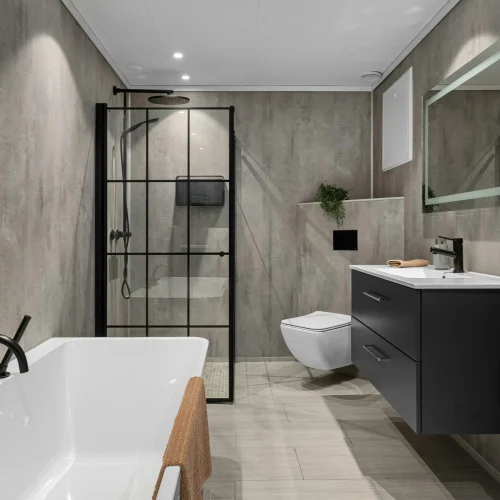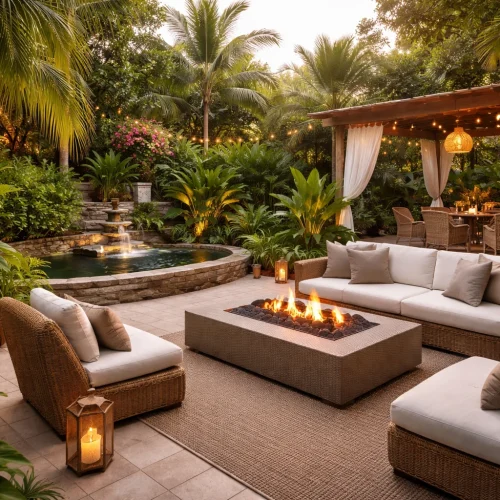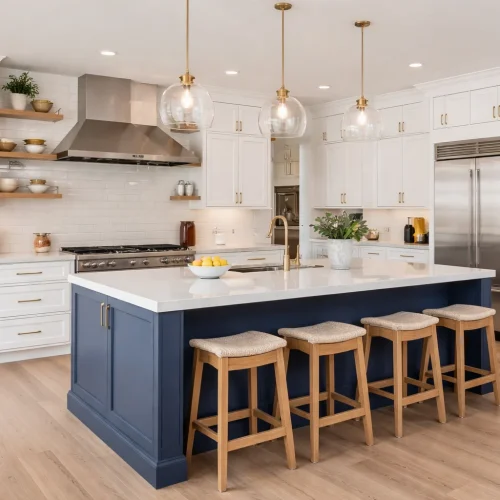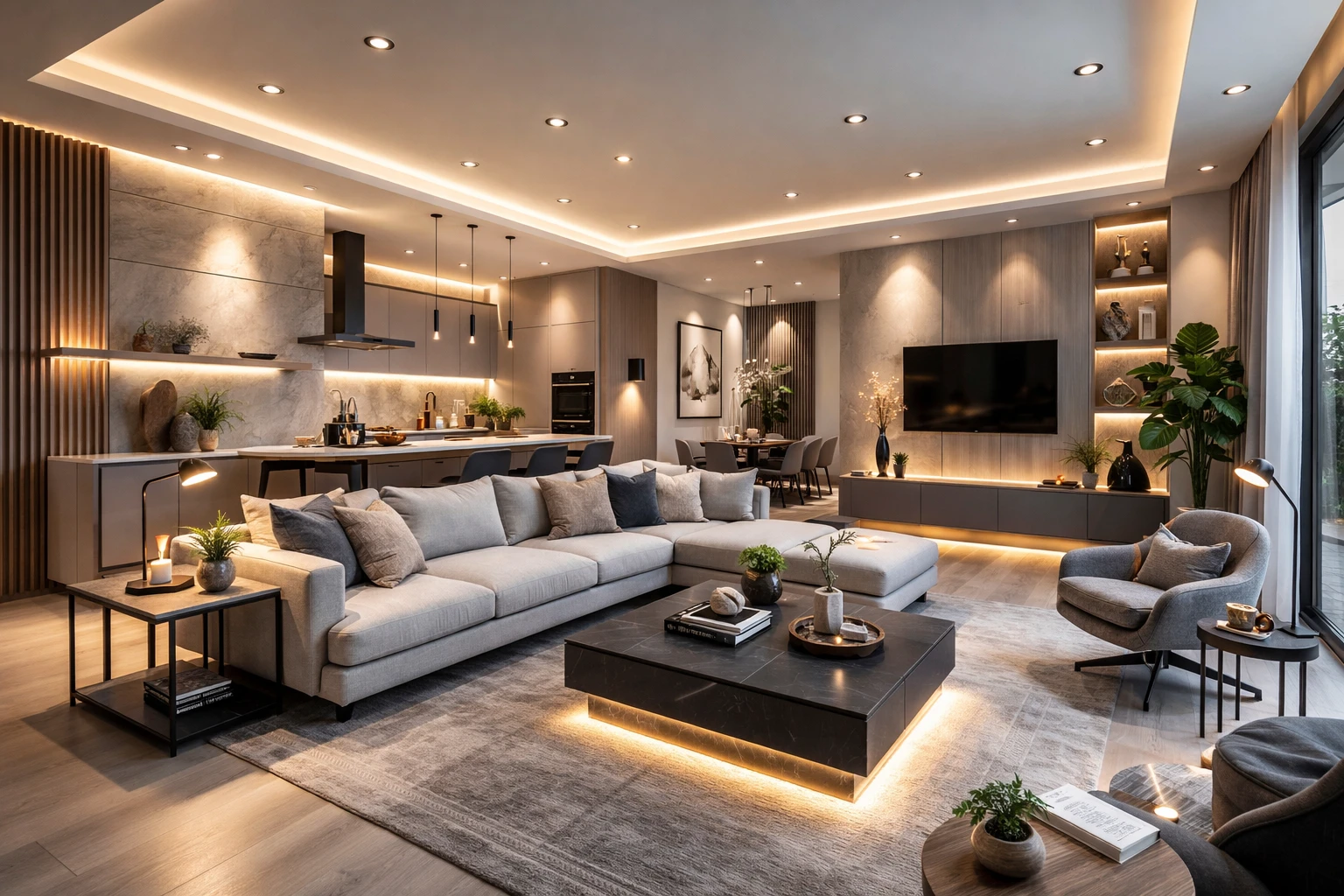
In modern interior design, lighting plays a fundamental role in shaping both the form and function of a space. Recessed lighting, often referred to as can lights or downlights, offers a sleek and unobtrusive way to illuminate interiors while maintaining clean lines and minimal visual clutter. The appeal of recessed lighting lies in its ability to merge seamlessly with ceilings and walls, making it particularly suited for contemporary homes that emphasize open, airy layouts and subtle sophistication.
The placement and intensity of light can dramatically alter a room’s ambiance and perceived dimensions. Recessed fixtures enable homeowners and designers to spotlight architectural features, define spatial zones, and create layers of light that enhance mood and usability. Unlike traditional ceiling fixtures that draw attention to themselves, recessed lights let the room’s furnishings and architectural elements shine, thus reinforcing modern design’s understated elegance.
Choosing the right recessed lighting requires a thoughtful assessment of each room’s purpose and existing design. Factors such as ceiling height, color palette, and furniture arrangement should inform the selection of fixtures, trims, and light temperatures. As a key element of modern lighting design, recessed lighting must be both functional and adaptable to ensure it complements rather than competes with the overall aesthetic.
Selecting the Right Fixture Type for Functionality
Recessed lighting comes in a variety of configurations, and selecting the right one starts with understanding how each component serves the space. A recessed fixture typically consists of the housing, trim, and bulb, each of which must be matched carefully to the room’s architecture and intended function. Housing options vary based on whether the ceiling has insulation, how accessible the wiring is, and whether the installation is for new construction or remodeling. IC-rated housings, for example, are essential when installing lights in ceilings with insulation, as they prevent overheating and improve energy efficiency.
Trim styles influence both aesthetics and the behavior of light. Baffle trims are a popular choice for reducing glare in living areas, while reflector trims provide stronger illumination ideal for kitchens or high-ceilinged rooms. Adjustable trims allow homeowners to direct light toward specific elements such as artwork, alcoves, or textured walls. Moisture-rated trims are necessary for bathrooms or covered outdoor areas, offering protection against humidity and corrosion. The type of trim selected should support the room’s usage patterns while contributing to its overall visual clarity.
As LED recessed lighting continues to dominate the market, many consumers seek more than just product listings; they want clarity around what makes one option more effective than another. From wattage equivalency and beam angle to trim styles and color temperature, the choices can be overwhelming without proper context. Retailers that specialize in lighting solutions help bridge that gap by offering product expertise and clear guidance on energy-efficient recessed lighting, helping homeowners make smarter, more tailored decisions.
Determining Placement for Balanced Illumination
Placement is perhaps the most critical aspect of recessed lighting design. Proper spacing ensures that light is evenly distributed across the room without creating hot spots or overly dark corners. A general rule of thumb is to place fixtures approximately half the ceiling height apart. For instance, with an 8-foot ceiling, recessed lights should be spaced about 4 feet apart. This method provides a balanced wash of light suitable for general illumination.
Task-specific areas require closer placement and careful angling. In kitchens, for example, lights should be positioned over countertops and sinks to reduce shadows and improve visibility. In living rooms or bedrooms, accent lighting can be used in combination with ambient fixtures to create a layered effect. The goal is to ensure that each area receives the appropriate level of light for its use without relying too heavily on a single source.
Ceiling structure and obstacles such as beams, HVAC ducts, or wiring can influence where lights can be installed. Working with a lighting designer or electrician can help navigate these challenges. Furthermore, modern recessed lighting systems often offer adjustable features and smart controls that allow users to fine-tune illumination after installation, helping to overcome initial placement limitations and tailor the lighting experience over time.
Matching Light Temperature and Color Rendering to Room Function
Light temperature and color rendering are two technical aspects that greatly impact the feel of a room. Measured in Kelvins (K), light temperature ranges from warm (around 2700K) to cool (5000K or higher). Warmer tones are typically preferred in living spaces and bedrooms for their cozy ambiance, while cooler tones are more common in workspaces and kitchens due to their crisp clarity.
In addition to temperature, the Color Rendering Index (CRI) measures a light source’s ability to accurately reveal colors compared to natural light. A higher CRI (above 90) is desirable in areas where color accuracy matters, such as bathrooms, dressing rooms, and kitchens. Modern LED recessed lights often provide excellent CRI ratings, making them a versatile choice across different settings.
Balancing temperature and CRI based on room function allows homeowners to craft environments that feel intentional and comfortable. Choosing the right specification means evaluating not just how a space looks under the light, but how it feels and functions throughout the day. High-quality recessed lighting can elevate the perception of paint colors, materials, and décor, reinforcing the design intent and enhancing daily experiences.
Integrating Recessed Lighting with Smart Controls and Dimmers
One of the hallmarks of modern interiors is the integration of technology to improve convenience and customization. Recessed lighting systems can be paired with smart controls and dimmers, enabling users to adjust brightness levels, set schedules, or control lighting remotely via smartphone or voice commands. This adaptability adds both comfort and efficiency, particularly in multifunctional spaces.
Dimmers are especially useful in creating mood lighting. For instance, dimmed lighting in the evening promotes relaxation, while full brightness during the day supports productivity. When selecting dimmable recessed lights, compatibility between the bulbs, drivers, and dimmer switches must be ensured to avoid flickering or buzzing. Many LED fixtures now come with built-in dimming capabilities, making installation and integration more seamless.
Smart lighting systems also allow for scene-setting based on time of day or activity. Homeowners can program presets for reading, entertaining, or relaxing, and even coordinate lighting with other smart home features like window shades or thermostats. The result is a responsive and intuitive environment that enhances daily routines and reflects the personalized needs of its occupants.
Navigating Installation Considerations and Electrical Requirements
Installing recessed lighting involves more than just cutting holes in the ceiling. It requires a comprehensive understanding of the ceiling structure, electrical capacity, and lighting plan. Existing wiring may need to be adapted, and in some cases, a permit may be required depending on local building codes. Working with a licensed electrician is advisable to ensure safety and compliance.
New construction and remodel projects each have different requirements. In new builds, open access to ceiling joists makes it easier to place housings exactly where desired. Remodel housings are designed for retrofitting and often come with clips or brackets to secure the fixture in place without disturbing existing drywall. IC-rated and airtight housings are essential in insulated ceilings to maintain energy efficiency and prevent fire hazards.
Recessed lighting must also be coordinated with HVAC, plumbing, and other ceiling systems. Conflicts with joists or ductwork can limit placement and may require adjustments to the lighting layout. Accurate measurements, planning, and the use of layout software or templates can help avoid surprises during installation. A well-planned installation ensures that the visual impact of the lighting is maximized while maintaining structural and functional integrity.
Harmonizing Recessed Lighting with Other Light Sources
While recessed lighting is versatile and clean-lined, it should not be the sole source of illumination in a modern interior. Effective lighting design includes a mix of ambient, task, and accent lighting. Layering recessed lights with pendants, sconces, floor lamps, or under-cabinet fixtures creates depth and visual interest, preventing spaces from appearing flat or sterile.
Each layer of light should serve a specific function and contribute to the overall design narrative. Ambient lighting provides general illumination, task lighting focuses on specific activities, and accent lighting highlights architectural or decorative features. Recessed lights often serve the ambient role but can be adapted for task or accent use through trim choice and placement. By combining these elements, designers can create spaces that are both beautiful and functional.
The integration of recessed lighting within a broader lighting plan helps unify the look and feel of a home. It ensures that each room transitions naturally into the next, supporting a cohesive aesthetic. Whether used to complement dramatic chandeliers or to quietly support minimal decor, recessed lighting adapts to the broader lighting ensemble without overpowering it.
FAQs
Recessed lighting is installed flush with the ceiling, creating a clean and minimalist look. It’s popular because it provides effective illumination without visual clutter.
A common rule is to space lights about half the ceiling height apart. For an 8-foot ceiling, that typically means placing fixtures around 4 feet apart.
IC-rated housings are safe to install in ceilings with insulation because they prevent overheating. Non-IC-rated housings require clearance from insulation to reduce fire risk.
Baffle trims are ideal for minimizing glare in living spaces. They soften light output while maintaining comfortable ambient illumination.
Warmer tones around 2700K–3000K create a cozy and inviting atmosphere, making them ideal for relaxation-focused areas.
A CRI above 90 is recommended in spaces like kitchens and bathrooms where accurate color representation matters.
Yes, LED recessed lighting is more energy-efficient, longer-lasting, and often offers better dimming and color consistency options.
Absolutely. When properly positioned and angled, recessed lights can effectively illuminate countertops, desks, and reading areas.
Most modern LED recessed lights are compatible with dimmers, but you must ensure the fixture and switch are designed to work together to avoid flickering.
Hiring a licensed electrician is recommended, especially when modifying wiring or working around insulation, HVAC, or structural components.