If you’ve ever rearranged a room and stared at it afterward thinking, “Why does this still look… off?”, chances are the issue wasn’t the furniture itself but the height of the pieces and how they interact with the room. I didn’t realize how important this was until I moved into my first apartment with 10-foot ceilings. I thought I had all the right pieces my favorite sofa, a vintage coffee table from my family, a bookshelf I’d been dragging around for years. But even though I loved everything individually, the room felt strangely incomplete, like puzzle pieces that didn’t quite snap together. Only later did I understand: it wasn’t about what I had, but how everything worked together vertically.
Balancing furniture height with your room layout is like composing a photograph. There’s foreground and background, anchor points, quiet spaces, and moments of visual drama. And even if you’ve never taken a design course in your life, once you start noticing height relationships, you’ll never un-see them. This is how I learned to create rooms that not only look intentional but also feel good to live in.
Where It All Started: The Room That Looked “Short”
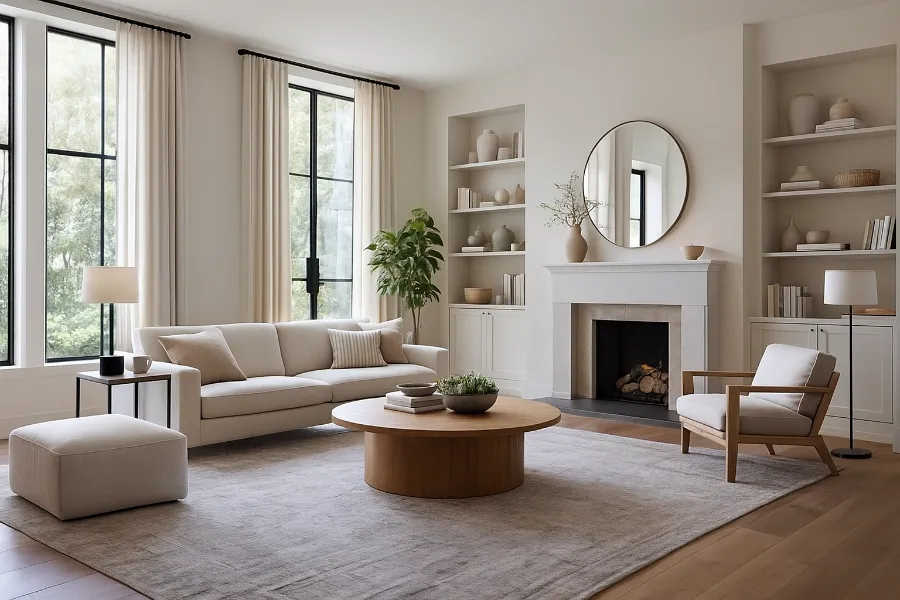
In that first apartment, everything sat too low. Low sofa. Low coffee table. Low TV stand. Low side tables. I’d unknowingly created a landscape that hugged the floor—even though I had beautiful, airy ceilings practically begging for vertical interest.
The effect?
The entire room felt oddly “short,” even though the space itself was large.
That’s when I realized something important:
Rooms have personalities, and height plays a huge role in how they express themselves.
Tall ceilings want companions. Short ceilings crave furniture that doesn’t overwhelm them. And every room, no matter its size, needs variation to feel balanced.
Getting to Know Your Room Like You’d Get to Know a Person
Once I started paying attention, I found that every room has certain characteristics that affect how furniture height should be handled. Some rooms are naturally tall and majestic. Some feel cozy and compact. Some are long and narrow, while others are boxy but open.
And then there’s the lighting: big windows, a single overhead bulb, skylights, or low lamps.
All of this changes how height reads.
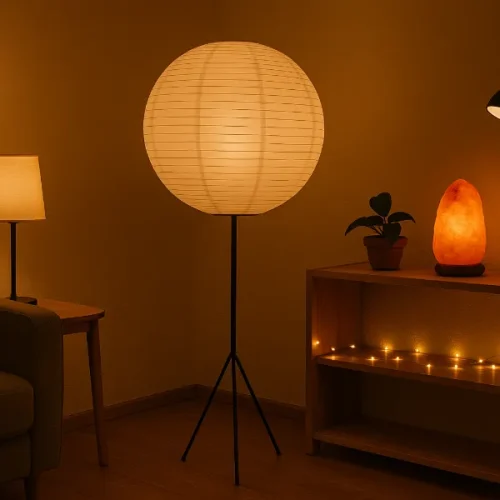
Lighting especially changes how furniture is perceived. A tall piece can look lighter or heavier depending on how light falls around it. If you’ve ever looked into the science behind it, the U.S. Department of Energy explains how different types of lighting affect the way a space feels:
In my living room, the tall ceilings made my low furniture feel like kids’ furniture. But in the small room at my friend’s condo barely 8-foot ceilings the opposite problem happened. They tried to squeeze in a massive bookcase next to a tall entertainment center, and suddenly the room felt like a canyon with cliffs on either side.
The big takeaway?
Furniture height isn’t something you decide in isolation it’s a relationship between your pieces and the room they live in.
Why Height Variation Matters (And Why Too Much Is Worse Than Too Little)
One day, while rearranging things for the fifth time, I finally saw the issue: all my furniture pieces were basically at the same height. It was like a flat horizon line across the whole room. No peaks. No valleys. No depth. Rooms need tall moments—things that draw the eye upward.
They need medium-height pieces that transition the eye.
And they need lower-profile items to create a sense of openness.
Think of it as a skyline.
The Day I Placed a Tall Plant in the Corner… and Everything Changed
I bought a tall bird-of-paradise plant on a whim. I didn’t know exactly where it would go, but I brought it home and placed it in the empty corner of the living room. Suddenly, my low sofa and coffee table stopped looking like miniature furniture. The plant bridged the gap between the furniture and the tall ceilings. Everything felt more intentional—more grounded.
Sometimes, your low furniture doesn’t need to be replaced.
It just needs something vertical nearby.
Learning Not to Block Sightlines
Another mistake came when I placed a tall shelving unit near a doorway. It fit the space, but visually, it obstructed the flow. Every time I walked into the room, it felt like the shelf was looming over the entrance.
Once I moved it to a wall that naturally supported height, the entire space opened up.
Sightlines matter.
Tall pieces should add depth and interest not create visual barriers.
Function Shapes Height, Too
A funny decorating fail happened in my dining room. I bought chairs that were way too tall for the table. Sitting at it felt like leaning over a kiddie table from an adult-height chair. It looked great in photos but was miserable to use.
That’s when I realized:
Height affects comfort just as much as aesthetics.
From that point on, I checked:
- Nightstand height against mattress height
- Coffee table height relative to the sofa
- Chair height relative to the table
- Desk height relative to my posture
Balancing height isn’t just visual it’s practical.
Decor That Helps Fix Height Problems
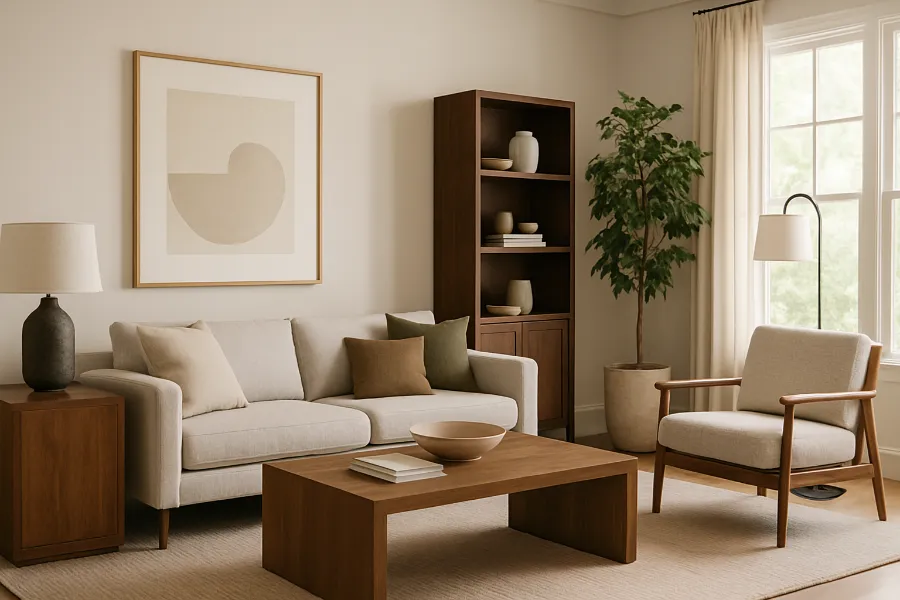
Sometimes you don’t need new furniture you just need height support.
A few elements that have saved many of my rooms:
- Tall plants
- Vertical artwork
- Long mirrors
- Floor lamps
- Wall shelves
One time, adding floating shelves above a low dresser instantly made the dresser look intentional and well-placed.
Noticing the Pattern in Beautiful Rooms
Eventually, I started seeing patterns in every well-designed room I encountered. They all had a rhythm—a flow—between low, medium, and tall elements. Nothing felt random. Every height was part of a bigger picture.
Rooms that feel “off” usually:
- Have all low furniture
- Have too many tall pieces
- Have tall items placed in the wrong spots
- Break sightlines
- Lack height transitions
Height balance is subtle, but once you notice it, it transforms everything.
My Personal Approach Now
Whenever I design a space now, I follow a loose, intuitive system:
- Start with the foundational low pieces.
- Add medium-height pieces for structure.
- Bring in one or two tall anchors.
- Evaluate sightlines.
- Adjust corners rooms feel more stable when corners have weight.
- Add vertical accents last.
It’s not a strict formula, but it works every time.
What Height Balance Actually Does for a Room
When the heights are balanced, something shifts:
The room feels calmer.
More confident.
More grounded.
It becomes the kind of space you enjoy being in even when you’re not doing anything in particular. Good height balance is one of those design secrets that people can’t always name but they always feel it.
Final Thoughts
Learning how to balance furniture height with room layout changed the way I decorate forever. Rooms feel easier to arrange now. They feel more intentional. More expressive. More comfortable. Even now, whenever I walk into a room that feels a little “off,” the first thing I analyze isn’t the furniture style or the color scheme it’s the height.
Because that’s where the real harmony begins.
FAQs
Furniture height affects balance, flow, and how spacious or crowded a room feels.
If tall pieces dominate sightlines or make the ceiling feel lower, they may be too tall.
Yes. Low-profile furniture helps create an open visual flow and makes ceilings feel higher.
Position tall pieces along walls or in corners to anchor the room without blocking views.
Create a height “gradient” by transitioning from low pieces in the center to taller items at the perimeter.
Avoid clustering too many tall items together or blocking natural pathways and sightlines.
Lighting can make tall pieces appear lighter or heavier depending on how shadows fall around them.
Yes. Higher ceilings need taller vertical elements; low ceilings benefit from shorter, wider pieces.
Absolutely plants, artwork, mirrors, and lighting can add vertical balance without new furniture.
Use painter’s tape, photos, and temporary rearranging to visualize height relationships.