Standing water is one of the most overlooked issues in commercial property maintenance. It often starts as a minor inconvenience after heavy rain; over time, it can create serious structural and financial problems. Business owners sometimes focus on visible upkeep, such as landscaping or building appearance, while water management goes unnoticed. That approach can backfire quickly. Poor drainage does more than make a property look unkempt. It weakens surfaces, damages structures, and increases long-term repair costs.
In regions where seasonal storms and clay-heavy soil can slow water absorption, drainage problems are especially common. Properties in areas such as Jackson, TN, often experience runoff that lingers longer than expected. This makes it essential for business owners to think beyond temporary fixes and consider long-term solutions that control how water moves across their property.
Foundation Risks: How Water Undermines Structural Integrity
Water that collects near a building’s foundation creates pressure against walls and footings. Over time, this pressure can cause cracks, leaks, and uneven settling. Even small amounts of standing water can slowly erode the soil that supports the structure, leading to instability that is expensive to correct.
Many property owners try to manage these issues with short-term fixes, such as redirecting gutters or adding gravel. While helpful in limited cases, these methods rarely solve larger drainage concerns, especially on commercial properties where water flow is more complex. In these situations, a more structured approach is often necessary. If you are looking for services like lawn drainage installation in Jackson, TN, there are many professionals who have years of experience.
Hardscape Degradation: The Hidden Cost of Water Damage
Parking lots and walkways take constant wear, but poor drainage speeds up their deterioration. When water sits on asphalt or concrete, it seeps into small cracks and weakens the material from within. Over time, this leads to potholes, surface breaks, and uneven areas that require costly repairs.
The problem becomes worse during temperature changes. Water expands when it freezes, widening cracks and compromising the base layer beneath the surface. Without proper drainage, businesses often face repeated repair cycles that could have been avoided with better water management planning.
Safety and Liability Concerns for Businesses
Wet, uneven surfaces increase the risk of slip-and-fall incidents. These accidents can happen quickly and may result in injury claims that affect both finances and reputation. Customers and employees expect safe conditions, and standing water creates unnecessary risk.
Beyond physical hazards, excess moisture can also lead to mold growth and attract insects, such as mosquitoes. These issues affect the comfort of anyone visiting the property and may even raise health concerns. Addressing drainage problems early helps businesses maintain a safer, more professional environment.
Landscape Health: When Water Harms Instead of Helps
Too much water can damage a landscape just as much as too little. When soil stays saturated, plant roots struggle to access oxygen. This leads to root rot, weak growth, and eventually plant loss. Turf areas may develop bare patches, while shrubs and trees decline slowly over time.
Excess moisture also causes soil compaction, which reduces nutrient absorption. Even with proper fertilization, plants cannot thrive in poorly drained conditions. For commercial properties, unhealthy landscaping affects curb appeal and sends the wrong message to customers and visitors.
Regulatory & Environmental Compliance Considerations
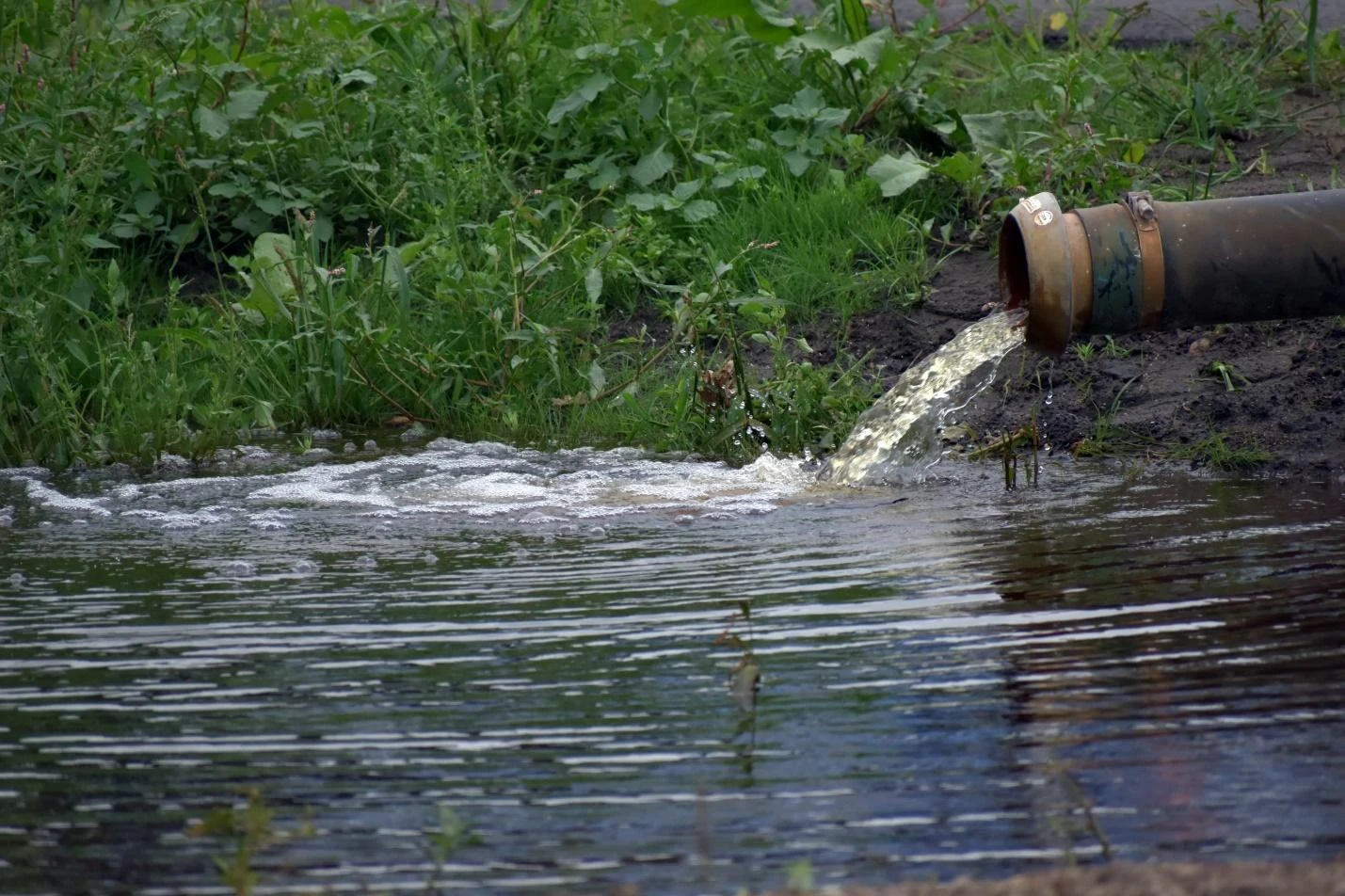
Commercial properties must often comply with local stormwater management regulations. Improper drainage can cause runoff to flow into neighboring properties or public systems, potentially resulting in compliance issues. Business owners need to understand how water leaves their site and where it goes.
Sustainable drainage solutions can help meet these requirements while improving property performance. Features such as grading adjustments and permeable surfaces reduce runoff and support environmental responsibility. Staying ahead of these standards protects businesses from penalties and supports long-term operational stability.
Professional Solutions: Identifying Issues and Maximizing ROI
The first step in solving drainage problems is recognizing the warning signs. Persistent puddles, soil erosion, and water stains near structures all point to underlying issues. Regular inspections allow property managers to address these problems before they escalate into major repairs.
Professional drainage systems offer long-term value by targeting the root cause of water movement. Solutions such as French drains, catch basins, and proper grading are designed to efficiently handle large volumes of water. Investing in these systems reduces maintenance costs and helps preserve the property’s overall value.
Why Smart Drainage Protects Your Investment
Poor drainage affects structures, surfaces, safety, and landscaping in ways that build up over time. Addressing these issues early helps prevent expensive repairs and reduces operational risks. A well-maintained drainage system supports both functionality and appearance.
Keeping a property dry and properly managed also improves the experience for employees and visitors. It shows attention to detail and reinforces a professional image. With the right approach, drainage becomes less of a problem and more of a long-term asset for the business.
FAQs
Common signs include standing water, soil erosion, water stains near foundations, and recurring puddles after rain.
Yes, excess water creates pressure against foundation walls, leading to cracks, leaks, and long-term structural instability.
Water seeps into small cracks, weakens materials, and eventually causes potholes, uneven surfaces, and costly repairs.
Absolutely, wet and uneven surfaces increase the risk of slip-and-fall accidents, which can lead to liability claims.
Yes, overly saturated soil can cause root rot, poor plant growth, and soil compaction, damaging your landscape.
Standing water can attract mosquitoes and other insects, creating both nuisance and potential health concerns.
Many areas have stormwater regulations, and poor drainage can lead to compliance issues or penalties if runoff is mismanaged.
Solutions include French drains, catch basins, proper grading, and permeable surfaces to control water flow effectively.
Yes, minor issues can escalate quickly, leading to costly structural damage, surface repairs, and landscaping replacement.
In most cases, yes—professional solutions address the root cause, reduce maintenance costs, and protect long-term property value.