Keeping a home warm and comfortable is a priority for every homeowner. As winter temperatures drop, effective heating becomes more than just a convenience; it is a necessity for health, safety and well-being. At the same time, energy efficiency has become an important consideration, with rising utility costs and environmental concerns encouraging homeowners to invest in heating solutions that are both effective and economical. Modern heating systems provide the perfect balance between comfort and efficiency, ensuring that homes remain warm without excessive energy consumption.
In recent years, advancements in technology have transformed the way heating systems are designed and installed. Modern boilers, smart thermostats and zoned heating systems have replaced older, inefficient methods, offering precise temperature control and reduced energy waste. Many homeowners seeking reliable and efficient upgrades have turned to professional services, such as Boiler Installation in Manchester, which provides expert advice, high quality equipment and skilled installation. These services ensure that heating systems are tailored to the specific requirements of each property, maximizing both performance and energy efficiency.
Investing in a modern heating solution is not just about staying warm. It is also about improving the overall efficiency of a home, reducing environmental impact and enhancing comfort for every member of the household. Understanding the options available and the benefits they offer helps homeowners make informed decisions that meet both their immediate needs and long term goals.
The Importance of Modern Heating Systems
Older heating systems often struggle to provide consistent warmth, leading to cold spots, uneven temperatures and high energy bills. Modern heating solutions address these issues through improved design, technology and efficiency.
Key Benefits of Upgrading Heating Systems
- Provides consistent, comfortable heat throughout the home
- Reduces energy consumption and lowers utility bills
- Supports environmentally friendly living by reducing carbon emissions
- Offers precise control over temperature in different areas of the house
- Increases the reliability and lifespan of the heating system
Modern systems are designed to work efficiently with current building standards, helping to maintain optimal performance even in properties with poor insulation or high heat loss.
Types of Modern Heating Solutions
There are several options available for homeowners looking to enhance warmth and efficiency. Each system has unique features, allowing homeowners to choose the solution best suited to their needs.
1. Modern Gas Boilers
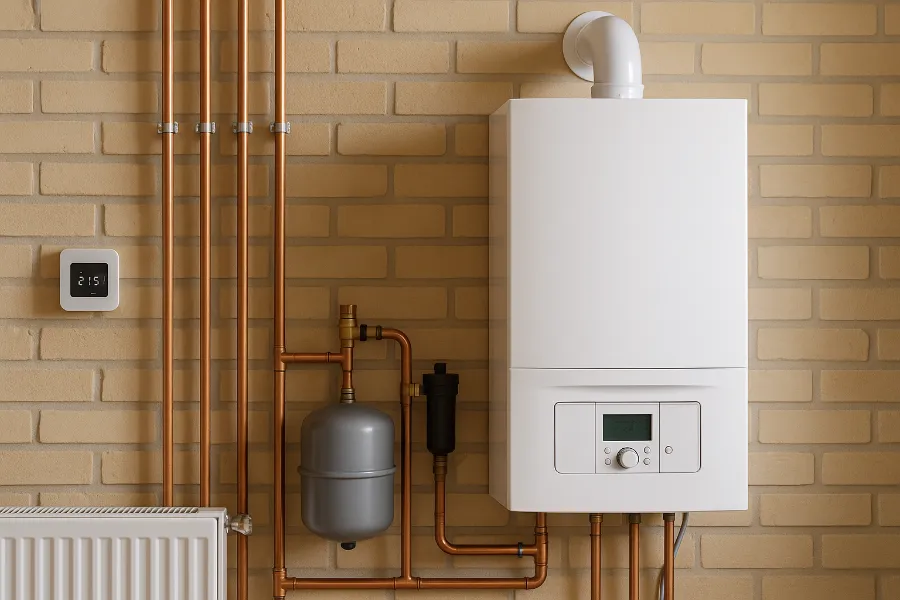
Gas boilers remain one of the most common heating solutions for homes. Modern models are highly efficient, converting most of the fuel into usable heat. Condensing boilers, for example, recover heat that would otherwise be lost through exhaust gases, reducing energy consumption and costs.
2. Electric Boilers
Electric boilers are a practical alternative for properties without access to gas. They are compact, efficient and easy to install. Modern electric boilers provide precise temperature control and can be integrated with renewable energy sources such as solar panels for added efficiency.
3. Combination Boilers
Combination, or combi, boilers provide both heating and hot water on demand without the need for a separate water tank. This type of system is space saving, convenient and reduces energy waste compared to traditional systems with storage tanks.
4. Smart Heating Systems
Smart thermostats and zoned heating systems allow homeowners to control temperature remotely and schedule heating according to daily routines. This ensures energy is used only when necessary, reducing waste and improving comfort. Smart systems can be adjusted room by room, so areas that are used less frequently do not consume unnecessary energy.
The Role of Professional Installation
Even the most advanced heating system will underperform without proper installation. Professional installation ensures that the system operates efficiently, safely and in compliance with regulations.
Benefits of Professional Installation
- Accurate sizing and placement of the boiler and radiators
- Correct connection to existing plumbing and electrical systems
- Compliance with safety and building standards
- Optimisation for energy efficiency and long term performance
A professional installer can also provide guidance on the best type of system for the property, taking into account factors such as property size, insulation levels and household usage patterns.
Maintaining Efficiency and Performance
To ensure that a heating system continues to operate effectively, regular maintenance is essential. Routine checks help prevent breakdowns, improve safety and maintain energy efficiency.
Maintenance Tips for Modern Heating Systems
- Schedule annual servicing to inspect boilers and heating components
- Bleed radiators regularly to remove trapped air and improve heat distribution
- Check for leaks or unusual noises that may indicate a problem
- Monitor energy bills for unexpected increases that could signal inefficiency
- Keep vents and radiators clear of obstructions to allow proper airflow
Proactive maintenance not only extends the life of the system but also helps homeowners avoid costly repairs or emergency replacements.
Energy Efficiency and Environmental Benefits
Modern heating solutions are designed to reduce energy consumption, which is beneficial for both household budgets and the environment. Systems that are efficient use less fuel, lowering carbon emissions and contributing to a more sustainable home.
Ways to Improve Heating Efficiency
- Insulate walls, lofts and floors to reduce heat loss
- Install energy efficient radiators and thermostatic controls
- Use smart controls to schedule heating only when needed
- Consider renewable energy integration with electric or hybrid systems
By combining efficient technology with careful energy management, homeowners can enjoy warmth while minimising environmental impact.
Planning for a Heating Upgrade
When considering a new heating system, careful planning is essential. Homeowners should evaluate current performance, consider future needs and consult with experienced professionals.
Steps for a Successful Heating Upgrade
- Assess the current system and identify areas for improvement
- Choose the type of heating solution that meets property requirements
- Plan the installation to minimise disruption to daily life
- Select a professional installer for high quality and safe implementation
- Integrate controls and monitoring for long term efficiency
Taking a structured approach ensures that the heating system is reliable, effective and cost efficient.
Conclusion
Modern heating solutions provide an effective way to maintain a warm, comfortable and energy efficient home. Advances in boiler technology, smart controls and energy efficient design have transformed the way homeowners heat their properties. Proper installation and maintenance are essential for maximising performance and reducing energy costs over time.
For homeowners in Manchester, professional Boiler Installation in Manchester ensures that the system is installed safely, operates efficiently and is tailored to the specific needs of the property. By investing in modern heating solutions, households can enjoy reliable warmth, lower energy bills and long term comfort, all while contributing to a more sustainable living environment. With the right system in place, a home becomes not only a comfortable refuge but also a model of efficiency and smart living.
FAQs
Modern systems use advanced technology, improved heat exchangers, and smart controls that reduce energy waste and deliver consistent warmth.
Yes, smart thermostats help schedule heating, reduce unnecessary energy use, and give better control over household comfort.
Most modern boilers last 10–15 years with proper maintenance and annual servicing.
Condensing boilers reuse heat from exhaust gases, making them far more efficient and lowering energy bills.
Yes, electric boilers can adequately heat a home, especially when paired with proper insulation and efficient radiators.
A combi boiler provides both heating and hot water instantly without needing a storage tank, saving space and energy.
Professional installers ensure the system is sized correctly, fitted safely, and optimized for maximum efficiency and lifespan.
Annual servicing is recommended to maintain safety, efficiency, and optimal performance.
Yes, efficient systems use less fuel, provide better heat distribution, and often lower monthly utility costs.
Uneven heating, rising energy bills, frequent repairs, or outdated equipment indicate it may be time to upgrade.