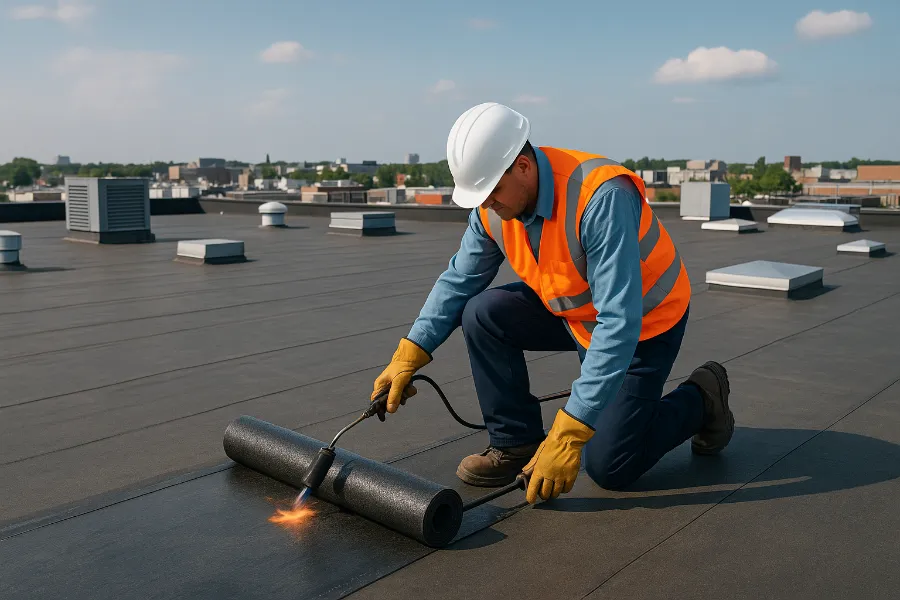
Every commercial building depends on a strong and reliable roof. It is one of the most important protective layers of any property, yet it is often overlooked until a major problem arises. A well managed roof safeguards equipment, inventory and the daily operations that keep a business running smoothly. It also plays a central role in the appearance and long term value of a commercial space. When owners invest in professional roofing solutions, they gain more than protection. They enhance the efficiency, comfort and visual appeal of their premises.
Many companies explore the support offered by Commercial Roofing Contractors when they want to improve the resilience and performance of their buildings. Specialists have the experience and knowledge required to manage large scale roofing structures, handle complex materials and ensure long lasting results. Their expertise helps businesses stay protected from changing weather conditions while maintaining a professional and well presented appearance.
Why Roofing Quality Matters in Commercial Environments
Commercial properties face a different set of pressures compared with residential homes. They often contain heavy equipment, large HVAC systems, important documentation and goods that must be shielded from water and temperature changes. A weak or poorly maintained roof can disrupt operations and lead to costly delays.
Quality roofing ensures the building remains fit for purpose. It provides reliable protection against rain, sun exposure and strong winds. It also supports insulation performance, which helps stabilise indoor temperatures and reduce energy expenditure. When the roof performs well, the entire building becomes more efficient and easier to manage.
Understanding the Unique Demands of Commercial Roofs
A commercial roof is very different from a domestic one. Larger surface areas, flat designs and additional weight loads all place greater demand on materials and construction methods. Without planned maintenance, these factors increase the risk of leaks and structural deterioration.
Commercial buildings may also house:
- Large heating and cooling systems
- Solar panels
- Air circulation equipment
- Drainage channels
- Heavy plant installations
All these systems require strong support and careful integration to avoid damage. Expert roof solutions ensure that these features work together without creating weak points.
Key Signs a Commercial Roof Needs Attention
Even durable roofing materials wear down over time. Identifying early warning signs prevents small issues from becoming disruptive emergencies. Common indicators include:
- Water pooling that remains after rainfall
- Blistering or swelling of roofing membranes
- Debris accumulation in drainage channels
- Visible sagging in certain areas
- Damp odours or marks on interior ceilings
- Temperature variations between rooms
Responding quickly helps limit structural damage and keeps business operations running smoothly.
The Importance of Routine Inspections for Business Properties
Routine inspections are vital for commercial roofs because small problems can develop unnoticed. A scheduled inspection reveals developing weaknesses long before they affect the building interior. This preventive approach also allows business owners to plan maintenance budgets with greater accuracy.
A professional inspection typically includes:
- Checking for membrane wear
- Testing drainage performance
- Examining sealant quality around vents
- Assessing the stability of roof equipment
- Identifying signs of weathering or UV damage
Regular assessments reduce risks and extend the overall lifespan of the roof.
Choosing the Right Roofing System for a Commercial Space
Different commercial buildings require different roofing solutions. The best choice depends on the building design, environmental exposure and ongoing usage. Selecting the right material improves performance and makes maintenance easier.
Common roofing systems include:
- Built up roofing for dependable layering
- Single ply membranes for flexibility and strength
- Metal roofing for excellent longevity
- Green roofing for environmental and temperature benefits
- Liquid applied systems for seamless waterproofing
Professional guidance ensures the chosen system suits both the structure and the needs of the business.
Strengthening Energy Efficiency Through Modern Roofing
Modern commercial roofs contribute significantly to energy efficiency. They help regulate indoor temperatures and reduce reliance on heating and cooling systems. A thermally efficient roof lowers energy costs and creates a more comfortable working environment for staff.
Energy efficient roofing solutions may include:
- Reflective surfaces that reduce heat absorption
- High performance insulation layers
- Ventilation improvements that control moisture
- Strategic shading and protective coatings
Businesses benefit from lower operational costs and improved sustainability.
How Good Roofing Supports Business Reputation
A clean and well maintained roof contributes to the overall appearance of a commercial property. Clients, partners and visitors often judge a business based on the physical condition of its premises. A neglected roof suggests a lack of attention to detail and may influence confidence in the company.
In contrast, a tidy and professional looking exterior reflects positively on the organisation. It presents the business as reliable, well managed and committed to quality. As first impressions matter, maintaining the roof is an important part of preserving professional reputation.
The Role of Safety in Commercial Roofing
Safety is a key factor in commercial roofing work. Business owners must ensure that roofing projects are handled with care to protect both workers and the building. Professionals follow strict safety protocols that prevent accidents and ensure compliance with regulations.
Typical safety measures include:
- Secure access routes
- Proper use of protective equipment
- Safe handling of heavy materials
- Controlled removal of old roofing
- Clear planning and communication
These practices minimise risk and ensure a smooth and efficient installation or repair process.
Long Term Value of Professional Roof Care
Investing in professional roof care provides long lasting advantages for commercial spaces. A well maintained roof reduces emergency repairs, prevents downtime and protects valuable assets. It also prolongs the lifespan of the roofing system, which helps businesses avoid major replacement costs.
Long term benefits include:
- Improved building performance
- Lower energy expenditure
- Increased structural safety
- Enhanced property appearance
- Greater resilience to weather changes
Proactive maintenance ultimately saves money and strengthens the reliability of the building.
Enhancing Workplace Comfort Through Better Roofing
A roof affects the indoor environment more than many realise. Poor insulation or minor leaks can disrupt heating and cooling systems, making work areas uncomfortable. When the roof is properly maintained, employees enjoy a more stable and pleasant environment.
Comfortable spaces improve productivity, support staff wellbeing and create an atmosphere where people can focus on their tasks without distractions caused by temperature fluctuations or water ingress.
Final Thoughts
Expert roofing solutions are essential for safeguarding and improving commercial spaces. A well designed and well maintained roof provides reliable protection, supports energy efficiency and strengthens the visual appeal of any business property. Through regular inspections, quality materials and specialist care, commercial buildings remain safe, comfortable and prepared for long term use.
FAQs
Commercial roofs are larger, often flat, and support heavy equipment, requiring stronger materials and specialised installation.
Most experts recommend inspections twice a year, plus after major storms or extreme weather events.
Pooling water, membrane blistering, sagging areas, interior dampness, and inconsistent indoor temperatures.
It prevents small issues from escalating, reduces repair costs, and extends the lifespan of the roofing system.
Built-up roofing, single-ply membranes, metal roofing, liquid-applied systems, and eco-friendly green roofs.
Yes. Reflective surfaces, quality insulation, and ventilation upgrades help stabilise temperatures and reduce energy costs.
They use protective equipment, secure access points, follow regulated procedures, and maintain clear site communication.
A clean, well-maintained roof enhances curb appeal and signals professionalism to clients, tenants, and partners.
Building size, climate, load requirements, energy goals, and long-term maintenance preferences.
Yes. It prevents costly emergencies, improves building performance, protects assets, and increases overall durability.