Here’s the truth no glossy holiday magazine cover ever tells you: most families don’t “prepare for the holidays” in a single magical weekend with hot cocoa and matching pajamas. They squeeze it in between work deadlines, school pickups, sports practices, grocery runs, and late-night email checks. Preparation doesn’t look picture-perfect. It looks practical.
For busy families, holiday prep is less about perfection and more about momentum. What actually gets done matters more than what looks good on social media. And the families who enjoy the season the most aren’t doing more they’re doing smarter. This is how busy, working households really prepare their homes for the holidays.
Holiday Prep Starts Earlier Than You Think (and in Small Pieces)
Most families don’t wake up one Saturday in December and “do the holidays.” Instead, preparation unfolds in fragments. Ten minutes here. A half hour there. One task per evening. The secret isn’t a marathon cleaning session or a full-day decorating spree. It’s breaking holiday prep into manageable micro-tasks that fit into real life.
Common early wins include:
- Swapping out throw pillows or blankets after Thanksgiving
- Taking inventory of decorations before pulling everything out
- Testing lights while watching TV
- Making a simple list of what actually needs to be done this year
Busy families don’t aim for “done.” They aim for started.
Decorating: Less Volume, More Impact
Gone are the days of hauling every decoration you own out of the attic. Working families have learned that fewer, intentional decorations create more impact with less effort.
Instead of decorating every surface, they focus on:
- One focal area (mantel, entry table, or living room corner)
- One tree, decorated slowly over a few evenings
- A wreath on the door instead of a full porch overhaul
Decorating happens in phases. A box comes down one night. The tree goes up another. Ornaments get added whenever there’s time. Nothing says it all has to happen at once.
The Tree Goes Up… Eventually
In many homes, the tree shows up earlier than it gets decorated. That’s normal.
Busy families often:
- Put the tree up midweek
- Leave it bare for a day or two
- Add lights one night
- Finish ornaments over multiple evenings
Kids help when they can. Parents finish after bedtime. And yes, some branches never get touched. That’s not failure. That’s real life.
Cleaning Is Strategic, Not Total
Holiday cleaning for working families is rarely a full top-to-bottom reset. It’s selective. Purposeful.
They focus on:
- Entryways
- Bathrooms guests will use
- Kitchen counters
- Living room floors and seating areas
Closets stay closed. Spare rooms wait. Baseboards get ignored. The goal isn’t a spotless house it’s a comfortable one. Clean where people gather. Leave the rest alone.
Hosting Prep Is About Flow, Not Fancy
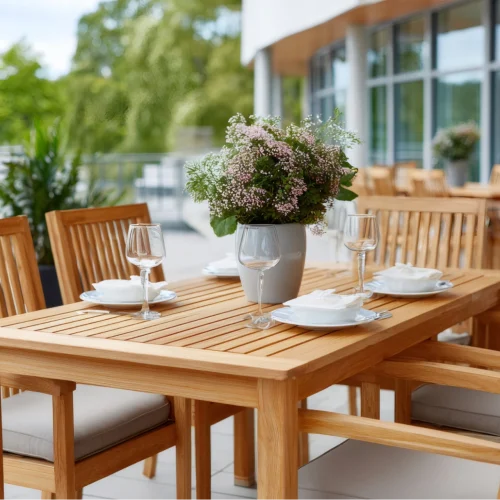
Families who host during the holidays don’t aim to impress. They aim to survive the day with minimal stress.
That means:
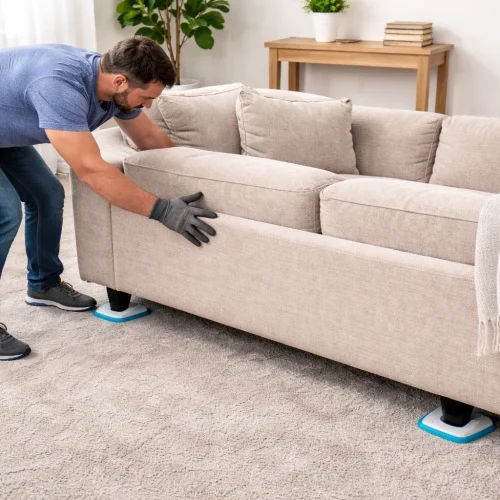
- Rearranging furniture slightly for better traffic flow
- Using disposable or simplified serving ware
- Cooking dishes that can be prepped ahead
- Saying no to complicated menus
Many hosts choose two or three reliable dishes they know well. Everything else is store-bought, delegated, or skipped. Busy families understand that holiday hosting is less about presentation and more about logistics the behind-the-scenes coordination of people, food, and timing. If you’ve ever wondered why planning can feel harder than execution, this concept explains it well. No one remembers the table runner. Everyone remembers how relaxed the house felt.
Time Management Is the Real Decoration
The biggest difference between stressed families and joyful ones isn’t budget or square footage. It’s how they manage time.
Successful holiday prep usually includes:
- One designated prep night per week
- Clear cut-off times (“Nothing after 9 pm”)
- Shared calendars so no one is guessing
- Lower expectations during peak work weeks
Instead of packing every evening, they leave intentional gaps. Space to rest matters just as much as finishing tasks.
Outsourcing Isn’t Lazy It’s Strategic
One of the biggest mindset shifts busy families make is realizing they don’t have to do everything themselves.
Tasks that get outsourced often include:
- Deep cleaning
- Catering or prepared meals
- Gift wrapping services
- Outdoor decorating
Some homeowners simplify their seasonal workload by hiring professionals for outdoor holiday lighting installation in Baltimore MD, freeing up time for family activities instead of ladder work, cold weather, and troubleshooting tangled strands of lights. Outsourcing isn’t about excess. It’s about protecting time and energy during an already demanding season.
Kids Are Included, Not Entertained
Rather than trying to prep around their kids, many families prep with them.
Children:
- Sort ornaments
- Help test lights
- Choose which decorations come out
- Carry lightweight items
- Help bake or assemble simple dishes
It’s slower. It’s messier. But it turns preparation into part of the holiday experience instead of an obstacle to it. For many parents, these small shared tasks become the moments their kids remember most.
Storage and Organization Are Quiet Heroes
Families who feel less overwhelmed often have one advantage: functional holiday organization.
Not perfect. Just usable.
Simple systems include:
- Labeled bins (even handwritten labels work)
- Grouping decorations by room
- Keeping frequently used items accessible
- Tossing broken or unused décor immediately
When storage is clear, prep time shrinks. When it’s chaotic, everything feels harder than it needs to be.
The Kitchen Gets Prepped for People, Not Photos
During the holidays, the kitchen becomes command central. Busy families prepare it for use, not aesthetics.
That means:
- Clearing counter space instead of decorating it
- Making room in the fridge early
- Pre-washing serving dishes
- Setting up a beverage station away from cooking zones
They optimize for movement, spills, and traffic not magazine spreads. A functional kitchen keeps the entire day running smoother.
Flexibility Beats Rigid Plans
Working families don’t cling to rigid holiday schedules. They expect interruptions. Snow days. Sick kids. Late work nights. Exhaustion.
Instead of scrapping plans, they adjust:
- Switching hosting days
- Simplifying menus
- Delaying decorations
- Combining errands
The families who enjoy the season most aren’t the ones who stick to the plan. They’re the ones who adapt without guilt.
Perfection Is Quietly Opted Out Of
At some point, busy families make an internal decision: this year doesn’t need to look like last year. Maybe fewer decorations go up. Maybe gifts are simpler. Maybe hosting is smaller. That decision lifts an enormous mental load. Once perfection is off the table, joy becomes possible.
Evenings Matter More Than Big Weekends
Contrary to popular belief, most holiday prep doesn’t happen on weekends. It happens in the margins of weekdays. Ten minutes after dinner. Fifteen before bed. One task per night. Busy families stop waiting for the “right time” and start using the time they already have. Progress compounds.
The Goal Isn’t a Perfect House It’s a Livable One
At the end of the day, successful holiday prep for busy families isn’t about décor density, menu complexity, or social-media appeal.
It’s about creating a space that:
- Feels warm
- Welcomes people
- Doesn’t exhaust the household
- Leaves room for rest and connection
A slightly messy house filled with laughter beats a perfect one filled with stress every time.
Final Thoughts: Preparation Should Serve the Season, Not Steal It
Busy families don’t prepare their homes by doing everything. They prepare by choosing what matters and letting the rest go. They decorate selectively. Clean strategically. Host realistically. Outsource wisely. And most importantly, they protect their time and energy. Because the holidays aren’t about how much you do. They’re about who you’re present for.
FAQs
Most families start in late November, tackling small tasks over several weeks instead of doing everything at once.
Focus on one or two main areas of the home and decorate in short sessions across multiple evenings.
Yes, skipping nonessential décor helps reduce stress and keeps holiday prep manageable.
Prioritize entryways, bathrooms, and main living spaces where guests spend the most time.
They simplify menus, prepare food in advance, and arrange furniture for easy movement rather than aesthetics.
Outsourcing saves time and energy, allowing families to focus on rest and togetherness.
Children can assist with sorting decorations, testing lights, baking, and choosing décor.
Use labeled bins, group décor by room, and discard broken items right away.
They set realistic expectations, schedule downtime, and accept flexibility when plans change.
Letting go of perfection and focusing on creating a warm, livable home.