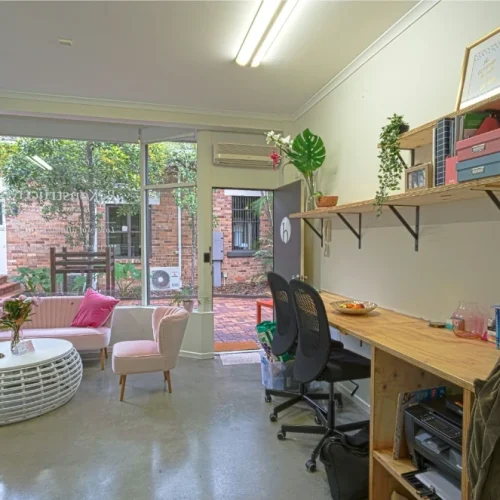
Many homes appear to be cozy and welcoming, but living in them on a daily basis can be quite a weirdly draining experience. Most of the time, these small things are to blame: a cold area by the window, a chair that you do not use because it is always hit by the draught, pictures that vibrate in the wind, and noises from the street that come through the uninsulated windows.
Strong sunlight can hit one patch of the room while everything else stays gloomy. Over time, these details wear on your mood, concentration, and sleep. True comfort starts with the basic structure of the home, especially the windows, because no amount of decorating can make up for a space that is cold, leaky, and noisy.
What Better Windows Actually Change in Everyday Life
New windows do more than change the view; they change how easy it is to live in each room. For many people, choosing modern triple glazed casement windows is about steady warmth, quiet and good daylight in one step.
The temperature feels more stable, therefore the entire room can be utilized and not only a particular corner that is safe. More insulation helps in reducing the noise coming from the street as well as drafts, while transparent glass allows light to come in without the coldness that you usually feel when you are sitting next to the window.
Room by Room Choosing Windows for Real-Life Needs
Each room in a home asks for something different from its windows. In the bedroom, the goal is peace and steady warmth: good seals and careful installation stop drafts around the bed, while the right glass with blinds or blackout curtains keeps soft daylight by day and darkness at night.
In shared areas, the goal is usable space. A living room works best when large glazed areas stay bright but not glaring, with some sections fixed for warmth and others opening for easy ventilation. A home office benefits from even light and good sound reduction, while kitchen and bathroom windows must open easily, close tightly, and cope with humidity without swelling, leaks, or mold.
Planning a Window Upgrade Without Feeling Overwhelmed
Planning a window upgrade does not have to feel like a huge project. Instead of starting with catalogs and technical terms, begin with what you already know best – how your home feels every day. Walk through each room and notice what bothers you around the windows, then turn that into a simple checklist you can show an installer.
Pay attention to things like:
- Windows that feel drafty, or much colder/warmer than the room;
- Condensation, or damp marks on glass, frames or nearby walls;
- Traffic or neighbor noise that keeps you awake or distracts you;
- Rooms that stay gloomy during the day or painfully bright at certain hours;
- Handles, hinges, or opening parts that already work badly.
Now you can point to exact places instead of just saying “the house feels uncomfortable”. With this list, it is easier to ask focused questions: which glass will help with noise or glare, how the frames and seals are built for your climate, what the energy ratings mean, and which vents they suggest for humid rooms.
Questions to ask before you sign anything
When you have your own list, talking to a company becomes more direct. You can ask which glazing options they suggest for noise, for drafts, for bright sun, and how their frames and seals are built to handle your climate. It is worth asking what kind of testing or energy rating the windows have and what type of ventilation or trickle vents they recommend for rooms with high humidity.
Remember to be concerned with the service side as well. Be sure to inquire about the content of the warranty, its duration, and if it is only for the product or also for the installation. Find out who you should call if something doesn’t feel right after a year and how such visits are arranged. Clear answers here are a good sign that you are dealing with people who treat the window upgrade as a long-term relationship, not a one-day job. A window project is easier on the budget when you think in phases. Sometimes it makes sense to start with the coldest bedrooms and the noisiest living room wall, then move to secondary rooms later. That way, you get the biggest comfort gain quickly, while keeping spending under control.
From Upgrade to Everyday Calm: Why Windows Are a Long-Term Choice
Once the tools are packed away, new windows simply do their job in the background. Their value shows over time: the bedroom loses that cold strip by the curtains, the living room stays bright without feeling harsh, the home office holds a steady temperature, and outside noise softens.
Corners that you were avoiding become comfortable again, and a chair by the window turns into an all-season reading spot. Since windows are around for a lot of years, it is reasonable to evaluate them by long-term comfort rather than by short-term impressions.
FAQs
Modern frames, seals, and insulated glazing block air leaks, keeping indoor temperatures stable.
Yes. Double or triple glazing significantly reduces traffic, neighbor, and street noise.
They offer superior insulation, noise reduction, and energy efficiency, especially in harsh climates.
High-quality glass allows more light into the room without increasing glare or cold spots.
Yes. Improved insulation means your heating and cooling systems work less, reducing energy use.
Drafts, condensation, sticking frames, temperature imbalance, and visible wear are key indicators.
Most standard installations take a few hours per window, depending on size and condition.
Proper glazing and ventilation reduce moisture buildup on glass and frames.
Windows with strong seals and good insulation help maintain steady warmth and reduce noise.
Yes. Many homeowners upgrade in phases, starting with the coldest or noisiest rooms.