Most homeowners feel unsure about what to do when something suddenly goes wrong at home. A small issue can turn into a stressful emergency fast. Many people realize in the moment that they do not have a clear plan or even know where to start. Home systems can fail without warning. Electrical problems, frozen pipes, small kitchen fires, and storm damage all happen more often than most people expect. These problems can affect anyone, even in quiet towns like Hanover, MA.
Most homeowners only need a clear plan and a basic understanding of how different emergencies unfold. When people know a few key steps, they gain control of the situation and protect their home more effectively. This guide walks you through the most common home emergencies and shows you how to handle each one the right way.
Understanding the Emergencies Most Homes Face
Homes face a range of problems that strike with little warning. Electrical issues can lead to sparks or short circuits. Water leaks can come from worn pipes or faulty connections. Storms can loosen shingles and push water into places it does not belong. Kitchen mishaps can cause smoke or flames. Heating systems and dryers can fail when lint or dust builds up inside them.
Knowing these risks helps you react fast. You do not want to scan the internet for answers in the middle of a crisis. You should understand what each problem looks like before it happens. Early signs often show up hours or days before a real emergency. Strange smells, unusual noises, flickering lights, slow drains, or sudden damp spots often point to something bigger. When you know what to look for, you spot trouble and deal with it early.
This is also where professional help comes in. For example, for fire damage restoration Hanover residents should turn to professionals who know how to manage smoke, soot, and structural cleanup. These professionals can guide the process the right way. Emergencies often need more than a quick fix, and knowing who to call matters as much as knowing what to do.
Making a Simple Home Emergency Plan
A good emergency plan keeps you focused when stress rises. It does not need complex details or long checklists. You only need a few clear steps. Start by choosing two exit routes from each room. Pick a safe meeting spot outside, where everyone knows to gather. Write down the phone numbers of family members, close neighbors, and local emergency contacts. Keep this list in a visible place and save it on your phone.
Talk through the plan with your household. Everyone should know how to leave the house fast and where to go. You should also review the plan once a year to keep it fresh.
Taking Quick Action During a Fire
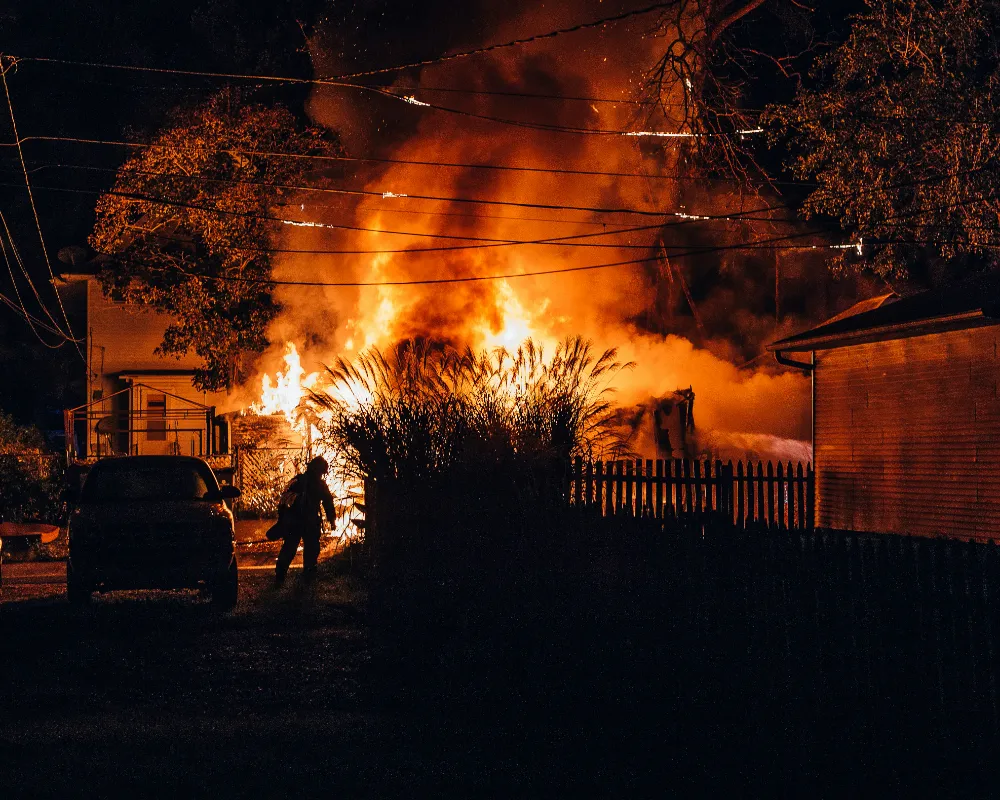
A fire spreads fast, and smoke makes it hard to see and breathe. If a fire starts, focus on getting everyone out right away. Do not try to gather belongings. Stay low to the ground because the air is clearer near the floor. Leave the house, call for help, and stay outside. Once you are safe, do not go back inside to check on damage.
After firefighters put out the flames, the real work begins. Smoke and soot spread far beyond the burn area. This calls for trained help and careful cleanup to prevent further harm. In addition, wildfire recovery efforts provide essential financial relief and direct support to firefighters and families, ensuring they have the resources needed to rebuild their lives after a devastating loss.
Staying Safe During Power Outages
A power outage creates confusion, especially at night. Check if the outage affects only your home or the entire street. If it’s only your home, look at your breaker panel to see if a switch flipped. If the whole block is dark, call your utility company to report it. Use flashlights instead of candles to avoid fire risks. Unplug major appliances so they do not get damaged when power returns.
If the outage lasts a long time, keep your refrigerator closed as much as possible to protect your food. Stay alert for any strange smells or sounds when the power comes back on.
Checking Your Home After Storm Damage the Safe Way
Storms can leave behind many hazards, even when the damage looks small from the outside. Once the weather clears, walk around your property with care. Look for fallen branches, loose shingles, siding cracks, or signs of water entering the home. If you see a damaged power line nearby, stay far away and call your utility company at once. Do not try to move debris near any wires.
If water entered your home, check the source as soon as you can. Rain can push water under doors, through damaged flashing, or through weak spots near windows. If you find damp areas, dry them as soon as possible. Proper drying prevents mold from growing. When you find roof damage or larger structural issues, call a qualified contractor. Storm repairs often need trained help to prevent leaks or further structural harm.
Knowing When You Should Call a Professional
Some problems require trained help right away. If you see smoke, scorched outlets, electrical sparks, or strong odors, call for help. If water spreads fast or enters walls or ceilings, you need a licensed plumber or restoration crew. Structural issues, major leaks, and faulty wiring all call for professional expertise. Homeowners can handle small problems, but serious damage needs proper tools and skill. Acting early prevents more costly repairs and keeps you safe. A trained professional can spot deeper issues that homeowners often miss.
Home emergencies feel stressful, but the right steps make them more manageable. When you know how to react, you protect your home and lower the chance of long-term damage. A simple plan, a clear set of actions, and a basic emergency kit help you stay steady when something unexpected happens. You do not need complex knowledge to make smart choices. You only need awareness, quick thinking, and a calm approach. With the right preparation, you can move through emergencies with confidence and keep your home safe.
FAQs
Stay calm, ensure everyone’s safety, and address immediate threats like fire or electrical hazards before anything else.
Look for fast-spreading water, sparks, smoke, strange smells, or structural risks these typically require immediate action.
Leave immediately if there’s fire, heavy smoke, a gas smell, or visible structural damage.
Only if it’s contained and you have the right extinguisher; otherwise, evacuate and call for help.
Damp spots, peeling paint, musty odors, or warped surfaces usually point to deeper moisture issues.
Create escape routes, choose an outdoor meeting area, store key contacts, and review the plan annually.
Look for roof damage, loose siding, water intrusion, fallen branches, and avoid any downed power lines.
Keep the door closed food generally stays safe for about 4 hours if the fridge remains unopened.
Anytime electrical systems, structural damage, fast leaks, or fire aftermath are involved.
Include flashlights, batteries, a first-aid kit, bottled water, blankets, essential tools, and important phone numbers.