Family homes don’t stay “done” for long. Shoes pile up by the door, backpacks land on the nearest chair, and someone always needs help finding a missing charger. The problem isn’t that your home is messy or outdated. It’s that family life moves fast, and most homes aren’t set up to keep up with it. The good news is you don’t need a huge remodel to feel a big change. The smartest updates focus on the pain points that show up every day, like clutter, poor lighting, and bathrooms that feel cramped or hard to manage. In this article, we’ll walk through practical home updates that make daily routines smoother, make cleaning easier, and help your home feel calmer for everyone living in it.
1. Bathroom fixes that keep everyone safer
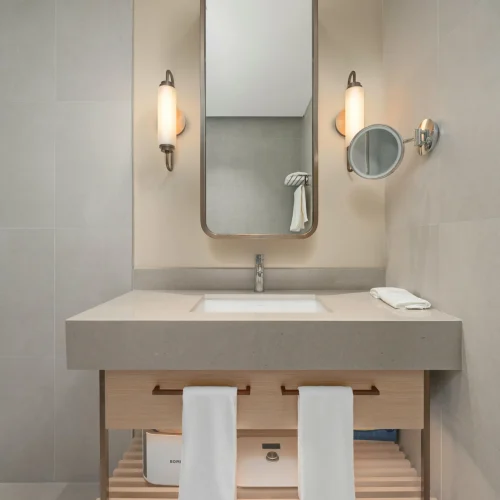
Bathrooms are one of the most used spaces in a family home, so small upgrades show results fast. If bath time feels stressful or slippery floors worry you, you don’t need a full renovation to improve things. Start with safety and comfort. A non-slip mat in the tub and a secure bath rug outside help prevent slips. A handheld showerhead makes rinsing kids easier and cuts down on water mess. Better ventilation also matters more than people think because it helps reduce moisture, smells, and mildew. If stepping over a high tub wall feels difficult for anyone in the home, a Quick Tub conversion kit can be one option to explore without major construction.
A little planning now can make your bathroom feel safer, easier, and more comfortable for everyone who uses it.
2. Lighting that helps more than you think
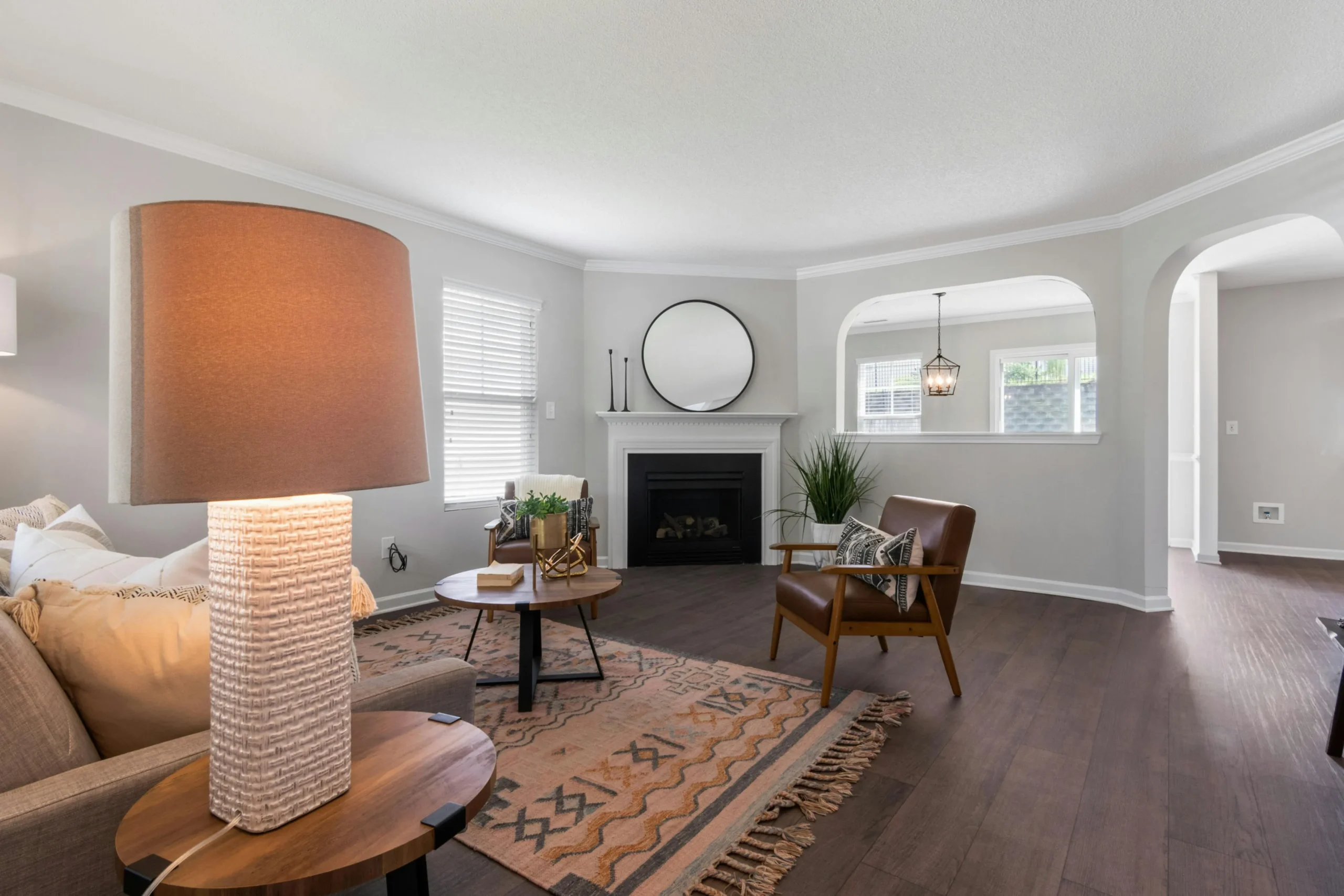
Bad lighting makes a home feel smaller, messier, and more tiring to live in. It also makes daily tasks harder, like cooking dinner, helping with homework, or finding what you need in a closet. One of the easiest updates is swapping old bulbs for lighting that feels warm and clear, not harsh or yellow. In family spaces, layering your lighting helps most. Use overhead lights for general brightness, then add a lamp in the corner where people read or relax. In the kitchen, brighter light over counters makes meal prep safer and faster. Even small changes like adding a motion light in a hallway can make nights easier when kids wake up.
3. A command center that actually gets used
Families don’t struggle with organization because they don’t care. They struggle because life gets busy and paper piles up fast. A simple command center keeps important things visible without taking over your kitchen. The key is keeping it small and practical. You want a spot for school papers, appointment reminders, and everyday items like keys. Pick a place you already pass daily, like near the fridge or by the entry. Use one calendar to track events, not three scattered apps and notes. Add a tray or small basket for keys and chargers so they stop disappearing. When everyone knows where to look, you spend less time searching and more time getting out the door.
4. Smarter kitchen storage without new cabinets
A family kitchen has to work hard. It’s where you cook, pack lunches, grab snacks, and clean up many times a day. When storage doesn’t match your routine, the kitchen feels chaotic even if it’s clean. You can improve that without replacing cabinets. Start by making frequently used items easier to reach. Use pull-out organizers in deep cabinets so you stop losing pans in the back. Group snacks in one area so kids can grab them without tearing through the pantry. Store lunch supplies together so mornings feel less rushed. If you have limited space, clear containers help because you can see what’s running low. The goal isn’t perfection. It’s making the kitchen easier to use every day.
5. Floors that survive busy family life
Family floors take constant abuse from shoes, spills, toys, and pets. If your floors scratch easily or feel hard to keep clean, a few targeted changes can make them more durable and less stressful. In high-traffic areas, focus on surfaces that handle moisture and daily mess. Washable rugs help protect floors and also reduce dirt spreading through the house. A sturdy mat at every entryway keeps sand, salt, and mud from getting tracked inside. Felt pads under chairs prevent scratches and reduce noise during meals. If you plan to replace flooring, look for options labeled water-resistant and easy to clean. You don’t need “perfect” floors, just ones that work with real life.
6. Better air comfort with small fixes
Comfort at home isn’t just about furniture. Air quality and temperature control affect how well your family sleeps and how the house feels day to day. One of the simplest improvements is keeping your HVAC filter fresh. A clogged filter can reduce airflow and make heating and cooling work harder. Sealing gaps around doors and windows also helps with drafts and uneven temperatures. If one room always feels warmer or colder, check that vents aren’t blocked by furniture or rugs. In humid areas like basements, a dehumidifier can help reduce that damp feeling and protect stored items. Ceiling fans also help move air around, which can make rooms feel more comfortable without changing your thermostat settings.
7. Easy-to-clean finishes that save time
Cleaning feels harder when your home isn’t set up for it. Families need surfaces that handle fingerprints, splashes, and daily wear without constant scrubbing. One smart update is choosing washable paint in hallways, kids’ rooms, and kitchens. It makes it easier to wipe scuffs without damaging the wall. In dining areas, a wipeable backsplash or wall panel behind the table can protect the space from food mess and chair marks. If you have fabric furniture, removable covers can make spills less stressful because you can wash them instead of spot-cleaning. Even swapping out a few items helps, like choosing smoother cabinet hardware that doesn’t trap grime. These small changes reduce daily cleaning time and keep your home looking better with less effort.
The best family home updates aren’t always the most expensive ones. They’re the changes that solve real problems you deal with every day. When your entryway controls clutter, mornings feel easier. When lighting improves, rooms feel more usable. And when the bathroom feels safer, everyone relaxes a little more. And when your kitchen storage matches your routine, you stop wasting time searching for basics. Try picking one update that fixes your biggest frustration right now, whether it’s mess, safety, or comfort. Start small, keep it practical, and focus on what your family actually needs. Over time, these simple improvements add up and make your home feel easier to live in, not just nicer to look at.
FAQs
No, most improvements that help families are small, targeted updates that focus on daily pain points like clutter, lighting, and safety.
Adding non-slip mats, improving ventilation, and using a handheld showerhead can significantly improve safety without major renovations.
A command center is a small, central spot for schedules, keys, and daily essentials that helps families stay organized and save time.
Yes, pull-out organizers, clear containers, and grouping everyday items can make a big difference without new cabinetry.
Durable, water-resistant flooring paired with washable rugs and entry mats holds up better to spills, shoes, and daily wear.
Simple fixes like sealing drafts, changing HVAC filters, and using ceiling fans can improve comfort and airflow.
Washable paint, wipeable surfaces, and removable furniture covers reduce cleaning time and handle everyday messes better.
Start with the change that solves your biggest daily frustration, whether that’s clutter, poor lighting, or a hard-to-manage space.
Yes, practical improvements made gradually can significantly improve how your home functions and feels for your family.