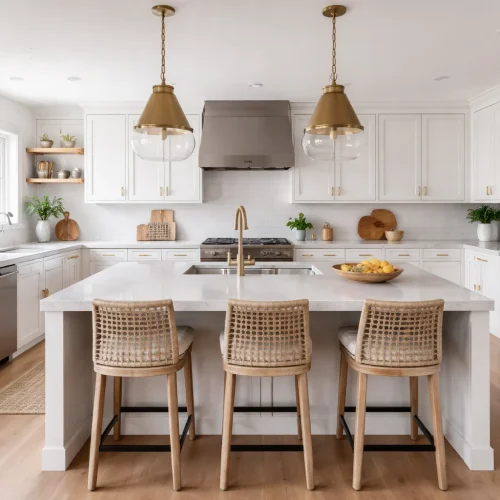

Home improvements are usually driven by practical needs or lifestyle goals. You add an extension for more space, renovate the kitchen to modern standards, or upgrade windows to improve energy efficiency.
What many homeowners don’t realise is that these changes can play a significant role during the conveyancing process. And if you’re based in the East Midlands, conveyancing solicitors Newark can help you make sense of things before you’re deep into the process.
Whether you’re preparing to sell or you’re buying a property that’s been altered over the years, understanding how improvements affect legal checks can save time, money, and lots of frustration.
How Conveyancing Works
Conveyancing isn’t just about transferring ownership. The process also ensures that the property being bought or sold is legally sound. And doing so requires verifying boundaries, permissions, compliance with building regulations, and whether any past changes were carried out correctly.
From a legal perspective, a newly renovated home raises more questions than an untouched one. Extensions, garages, structural modifications, and even some cosmetic upgrades can trigger additional enquiries during conveyancing.
Experienced conveyancing solicitors and local firms become particularly valuable here. They understand how regional planning rules are applied and what documentation is commonly missing or misunderstood.
Common Home Improvements That Trigger Checks
Some home upgrades raise red flags more often than others. These improvements don’t really mean that there’s a problem, but just that extra verification is needed.
Structural changes are the most obvious example. Extensions, loft conversions, or the removal of load-bearing walls usually require planning permission and building regulation approval. If paperwork is missing, buyers may request indemnity insurance or delay completion.
Other common triggers include replacement windows or doors, garage conversions, garden rooms, changes to drainage or sewer connections, and electrical rewiring without proper certification. Even work completed many years ago can come under scrutiny if documentation can’t be produced.
Planning Permission vs. Building Regulations
One of the most frequent causes of delay in conveyancing is confusion between planning permission and building regulations approval. They are not the same, and a property may require one, both, or neither, depending on the work done.
Planning permission focuses on how the development affects the surrounding area, while building regulations ensure the work is safe and structurally sound. For example, a loft conversion might not require planning permission but will almost certainly require building regulation approval.
Missing either of the two can cause problems when legal checks begin. Conveyancers will request evidence of compliance, and if it can’t be provided, negotiations often follow.
Buying a Renovated Property
If you’re purchasing a home that has clearly been upgraded, it’s wise to ask questions early rather than waiting for searches to uncover issues. Ask when the work was done, who carried it out, and whether certificates are available.
A reputable seller should have no issue providing documentation or explaining what was done under permitted rules. From a buyer’s perspective, unresolved issues don’t just affect completion timelines, but they also affect mortgage approval and resale value later on.
Your conveyancer’s role is to identify these risks early so you can make an informed decision before you commit financially.
Selling After Renovations
Sellers often underestimate how much smoother a transaction becomes when documentation is organised before listing the property. Gathering planning approvals, completion certificates, warranties, and guarantees early can prevent delays once a buyer is found.
If documents are missing, your solicitor can advise whether indemnity insurance is appropriate or whether retrospective approval might be needed. Addressing these issues early puts you in a stronger position to negotiate and reduces the risk of buyers walking away.
This preparation is especially important in competitive markets, where buyers expect efficient and clear processes.
Leasehold Properties and Improvement Restrictions
For leasehold homes, improvements introduce another layer of complexity. Many leases restrict structural changes or require freeholder consent before work begins.
If consent wasn’t obtained, buyers may be taking on future legal issues without knowing. Conveyancing solicitors help by reviewing lease terms carefully and flagging any unauthorised changes.
Sellers of leasehold properties should be especially cautious and ensure that all permissions are properly documented before marketing the home.
Energy Efficiency Upgrades and Legal Considerations
Modern buyers increasingly value energy-efficient homes. Upgrades such as insulation, solar panels, heat pumps, or double glazing can add appeal, but they still need to meet legal standards.
Solar panels, for example, may involve roof leases or third-party agreements that must be disclosed. Conveyancing solicitors check whether ownership, maintenance obligations, and access rights are clearly defined.
Energy Performance Certificates (EPCs) are also reviewed as part of the process, and discrepancies between stated ratings and actual upgrades can raise questions.
Home Improvements Could Help You Sell Your Home
Home improvements and conveyancing are more closely linked than many people realise. Whether you’re buying a renovated home or selling one you’ve invested in improving, understanding how the changes affect the legal process puts you in control.
Legal Disclaimer: Please be advised this article is for informational purposes only and should not be used as a substitute for advice from a trained legal professional. Please seek the advice of a legal professional if you’re facing issues regarding the conveyancing process.
FAQs
Yes, renovations can trigger additional legal checks to confirm permissions, compliance with building regulations, and proper documentation.
Extensions, loft conversions, structural changes, window replacements, and electrical or drainage work commonly require extra verification.
Buyers may request indemnity insurance, seek retrospective approval, or delay completion until the issue is resolved.
No, planning permission concerns external impact, while building regulations ensure safety and structural compliance.
Yes, even work completed years ago can be questioned if certificates or approvals cannot be produced.
Buyers should ask when the work was done, who carried it out, and whether certificates or approvals are available.
Organising approvals, completion certificates, and warranties before listing helps prevent hold-ups during conveyancing.
Yes, many leases require freeholder consent, and unauthorised work can create legal complications for buyers.
They can, especially if solar panels or heat pumps involve third-party agreements or unclear ownership terms.
In some cases, yes—unresolved legal issues can delay or derail a transaction if buyers or lenders are not satisfied.