When you think about home improvement, what comes to mind? For many people, it’s images of new countertops, fresh paint, or sleek appliances. But true home improvement isn’t just about what’s new—it’s about what feels right. The most successful projects aren’t the ones that simply follow the latest design trend; they’re the ones that reflect your personality, values, and lifestyle.
Adding a personal touch ensures that every corner of your home tells a story. From DIY décor to major remodels, these ideas will help you create a home that feels uniquely yours.
1. Start With What Matters Most to You
Before picking up a paintbrush or calling a contractor, take time to reflect. What’s most important in your daily life? Where do you spend most of your time at home? What do you wish felt easier or more enjoyable?
Lifestyle-driven upgrades often bring the greatest joy:
- For entertainers: Consider an open-concept living space or a large kitchen island with seating.
- For families with kids: Add a mudroom with built-in cubbies for backpacks, shoes, and coats.
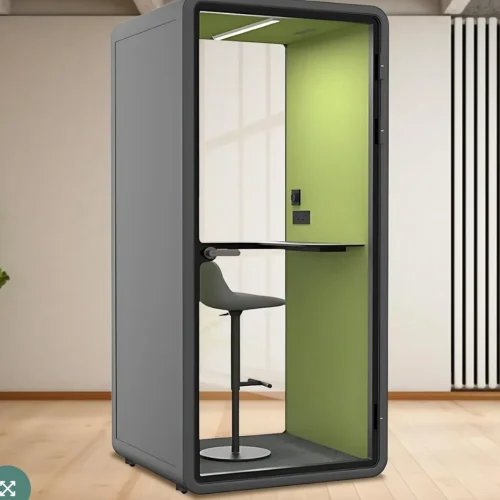
- For work-from-home professionals: Invest in a quiet, inspiring office with natural light.
- For readers and hobbyists: Build a cozy reading nook or craft corner.
By prioritizing function over trendiness, you’ll avoid costly mistakes and end up with spaces that truly serve you.
If you’re planning a remodel that makes your home more functional, check out Pacific Coast Renovations for ideas on how to bring your vision to life.
2. Add Sentiment to Function
One of the easiest ways to personalize home improvement projects is by blending function with sentiment. A few ideas:
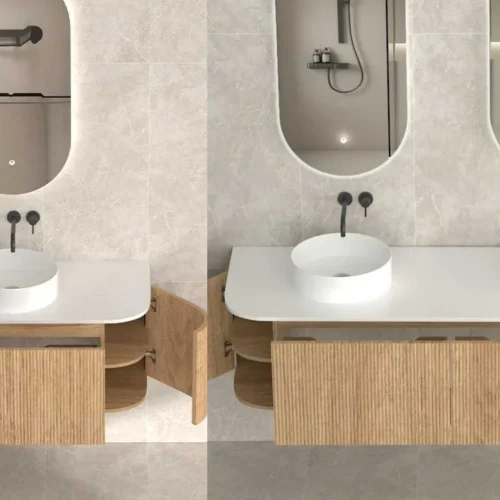
- Repurposed furniture: Convert a hand-me-down dresser into a bathroom vanity.
- Memory-based décor: Frame your children’s artwork or vacation photos for a gallery wall.
- Heirloom upgrades: Restore grandma’s old rocking chair with modern fabric.
This approach creates rooms that are not only practical but also deeply meaningful. When friends or family visit, your home will naturally tell stories of the people and experiences that shaped it.
3. Choose Colors That Reflect Your Personality
Color is one of the most powerful tools in home design. It sets the mood, affects how large or small a room feels, and reflects your personality.
- Earth tones (sage, taupe, terracotta) create calm and grounded spaces.
- Bright shades (yellow, teal, coral) energize a room and spark creativity.
- Classic neutrals (white, beige, gray) create timeless backdrops for bold accents.
Pro tip: Don’t just pick colors you like in a store. Paint swatches on your walls and live with them for a few days. Natural light, shadows, and even furniture placement can completely change how a color feels.
For a personal touch, pick one or two “signature colors” that flow through multiple rooms—whether in accent walls, textiles, or artwork.
4. Bring Nature Indoors
Natural elements instantly make a home feel warm, healthy, and welcoming. Best of all, they can be incorporated into projects of all sizes.
- Plants: From fiddle-leaf figs to low-maintenance succulents, greenery adds life to any space.
- Wood accents: Install reclaimed wood shelves, use butcher block countertops, or add a barn door for rustic charm.
- Natural light: Expand windows, add a skylight, or use sheer curtains to maximize sunlight.
- Stone and texture: Incorporate stone tile backsplashes, pebble shower floors, or textured clay pots.
Even in small apartments, a windowsill herb garden or hanging plants can transform a space.
5. Design Spaces for Connection
Home improvement with a personal touch often comes down to how you want to connect—with family, friends, or even yourself.
- Family spaces: Create open living areas where kids can play while parents cook or relax.
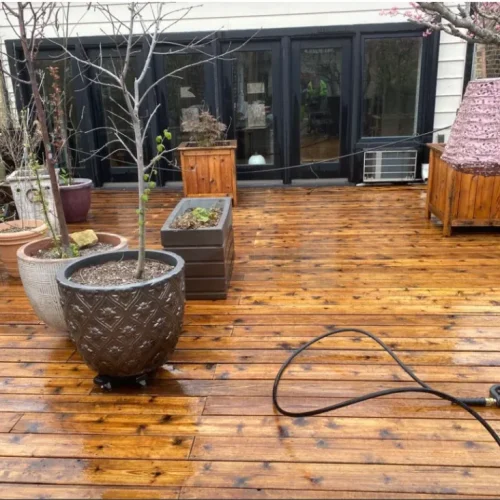
- Outdoor extensions: A simple deck, patio, or fire pit creates year-round gathering spots.
- Mindful corners: Dedicate a space for yoga, meditation, or journaling.
Think of these spaces as memory-makers. Ten years from now, will your family remember the specific tile you chose for the bathroom—or the laughter shared around the dinner table you built into your remodel?
6. The Power of Small Details
You don’t always need a major renovation to make a home feel new. Small, intentional upgrades can add personality without breaking the budget.
- Cabinet hardware: Swap basic knobs for brushed brass, matte black, or ceramic pulls.
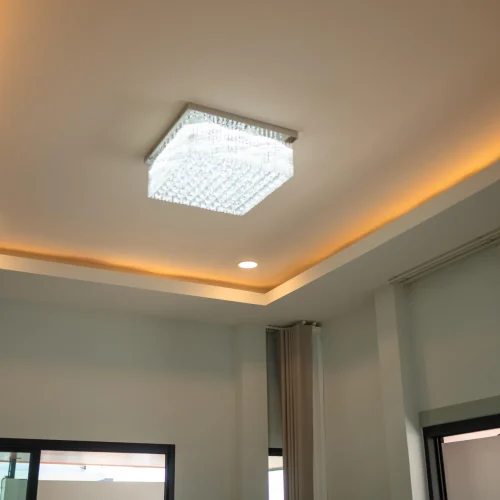
- Lighting: Upgrade old fixtures with statement pendants, modern sconces, or even Edison bulbs for vintage charm.
- Textiles: Rotate rugs, curtains, and throw pillows seasonally for fresh energy.
- Switch plates and outlets: A small detail, but upgrading to decorative or modern covers can subtly elevate a room.
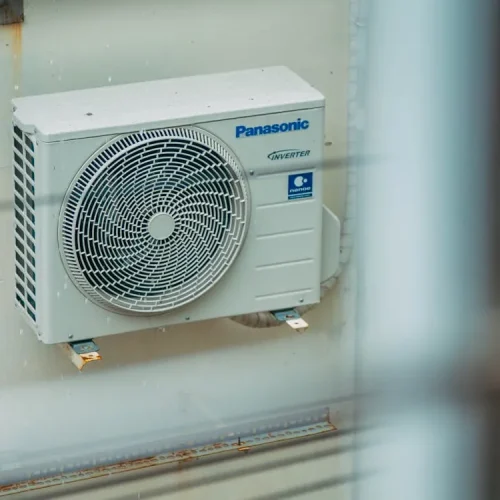
- Appliance repair: Ensuring washers, dryers, ovens, refrigerators, and other major appliances run smoothly while making small upgrades like smart controls or energy-efficient settings keeps your home functional, efficient, and stress-free.
These changes may seem small, but they layer in personality and create cohesion throughout your home.
7. Personalize With DIY Projects
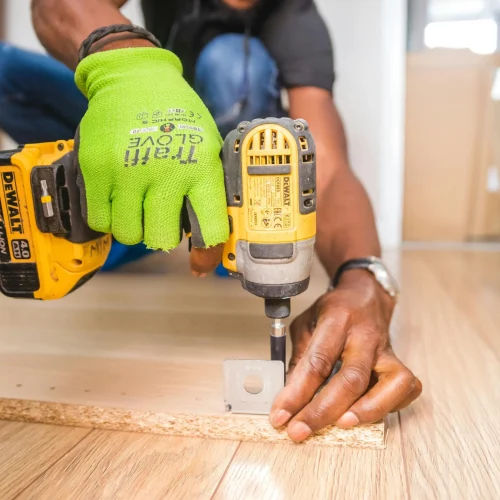
DIY projects are the ultimate way to leave your mark on your home. Not only are they budget-friendly, but they also allow you to express creativity.
- Custom shelves: Build floating shelves with reclaimed wood.
- Hand-painted walls: Try stencils, murals, or geometric accent walls.
- Seasonal décor: Create wreaths, centerpiece arrangements, or holiday-themed crafts.
- Furniture flips: Sand, paint, and re-stain thrifted or inherited pieces for a second life.
One of the best parts of DIY is the pride that comes with finishing a project. Every time you walk past that coffee table you refinished or that wall you painted, you’ll be reminded of the effort and care you put into your home.
Need more home improvement inspiration? Visit Pacific Coast Renovations to explore creative remodeling solutions and project ideas.
8. Balance Trends With Timelessness
Trends come and go, but timeless design endures. The trick is to use trends in small, replaceable ways while keeping major elements classic.
- Timeless: Hardwood floors, neutral cabinetry, quality stone countertops.
- Trendy: Peel-and-stick wallpaper, bold paint colors, funky light fixtures.
This way, your home feels fresh and modern while still retaining long-term value. Personal touches, like custom art or heirloom furniture, will always outlast fleeting fads.
9. Prioritize Comfort and Practicality
At the end of the day, your home should make you feel comfortable. A stylish room that’s impractical for daily life won’t bring joy.
- Seating: Choose sofas and chairs that invite lounging—not just looking pretty.
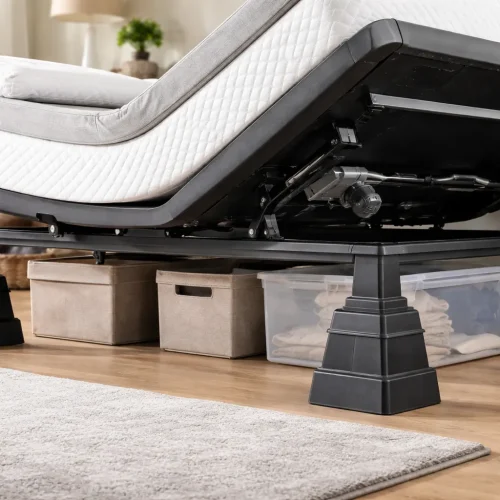
- Storage: Incorporate hidden storage in ottomans, benches, and under beds.
- Flow: Arrange furniture in ways that make movement through the room effortless.
When a home “works” for your lifestyle, you naturally feel more relaxed and at peace.
10. Tell Your Story Through Your Home
Every improvement, big or small, can be an opportunity to share who you are. Your travels, hobbies, family, and dreams should echo through your rooms.
- Display souvenirs from trips.
- Hang family photo collages in high-traffic areas.
- Showcase hobbies—like guitars on wall mounts, or cookbooks in open shelving.
Your home becomes not just a place to live, but a living storybook that evolves with you.
Final Thoughts
Home improvement with a personal touch goes beyond paint colors and hardware—it’s about creating a space where your life unfolds with ease, comfort, and joy. Whether you’re investing in a remodel or taking on a simple DIY project, the best results happen when you focus on what matters most to you.
A house can be renovated by anyone. But a home—your home—comes alive when you add your personal touch.