Ever catch yourself snapping at someone because your home felt like a freezer or an oven? We like to think we’re rational beings, but the truth is, our environment plays puppet master more often than we admit. The temperature, lighting, noise, and air quality of your home aren’t just background features they directly shape your mental clarity, sleep patterns, and even your emotional stability. As society grows more aware of mental health, it’s time we pay closer attention to the role our living spaces play.
The Comfort Crisis: A Growing Awareness
In recent years, the home has transformed from a simple place of rest to a workplace, classroom, therapy office, and gym. This shift, accelerated by the pandemic, brought to light a major issue our homes aren’t always designed to support all these functions. As people continue to work remotely or juggle hybrid roles, discomfort at home has taken on a new meaning. Poor indoor environments lead to lower productivity and worsened moods, all while pretending to be “just a bit of noise” or “a slight chill.”
Many Americans are finally realizing that fixing home comfort is more than an aesthetic upgrade it’s a necessity. We’ve all seen the headlines about the spike in HVAC repairs and smart home tech investments. That’s not about luxury; it’s about sanity.
The Air We Breathe Matters
Let’s talk heating. When the air inside your home feels like it’s plotting against you either freezing your toes or fogging up your windows—your ability to think clearly takes a nosedive. Temperature regulation affects both your concentration and your mood.
Many homeowners wait until something breaks before acting. But relying on a patchy heating system, especially in colder states, puts stress on both your schedule and your sleep. Rather than waiting for the next cold snap to make things unbearable, investing in professional furnace repair services can quietly solve problems that don’t scream for attention until they do. Regular servicing doesn’t just keep the temperature in check; it keeps your peace of mind intact.
Sleep, Interrupted
The link between home comfort and sleep quality is one of the most underrated health conversations today. With rising rates of insomnia and anxiety in the U.S., more people are waking up tired even if they’ve technically slept for eight hours. One culprit? Disruptive environments. Noise from the street, flickering lights, or drafty windows all act like subtle alarms throughout the night.
Quality sleep isn’t just about a fancy mattress. It’s about a space that supports rest: blackout curtains to block city lights, a stable room temperature to avoid waking up sweating or freezing, and quiet surroundings. A consistent sleep environment cues the brain to wind down and stay asleep, so those REM cycles do their job. If you’re still counting sheep after midnight, your room may need the makeover not your bedtime routine.
Productivity Begins at Home
Work-from-home culture isn’t going anywhere. But while companies are fine-tuning digital workflows, many individuals haven’t adjusted their physical environments. A cluttered room, harsh lighting, or an uncomfortable chair can tank productivity faster than a slow Wi-Fi connection.
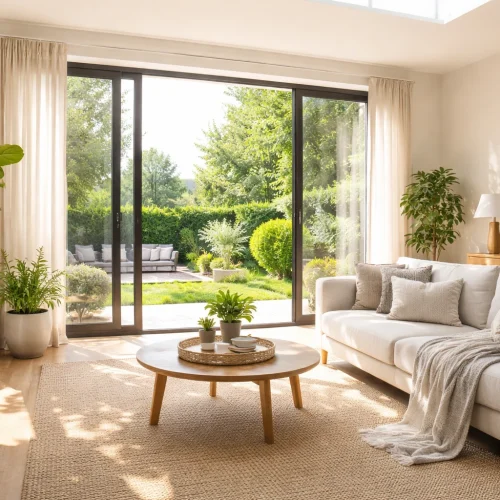
Good lighting preferably natural improves alertness. A quiet room helps you focus. And temperature? That silent thief of focus. Studies link both heat stress and cold exposure to reduced cognitive performance. Home comfort isn’t an indulgence it’s your brain’s basic requirement for doing its job. Even small adjustments, like a desk fan or better blinds, can shift your focus from “Why am I sweating again?” to the task at hand.
Mood and Micro-Discomforts
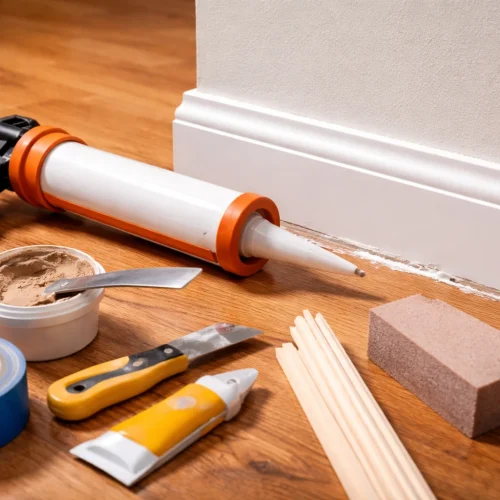
It’s tempting to ignore the little things: the draft near the window, the buzz from an old light fixture, the broken vent in the corner. These may seem minor, but collectively, they wear down your mood. Micro-discomforts tiny stressors we experience repeatedly have cumulative effects. They may not register as “problems,” but your nervous system knows better.
Comfort doesn’t mean perfection. It means reducing unnecessary stress points in your daily routine. Want to feel better without taking a vacation or a week off? Address the mini annoyances in your space. You’ll be surprised how less reactive and more at ease you feel just by fixing that leaky faucet or getting rid of the flickering bulb that’s been haunting your evenings.
Design Choices That Calm the Brain
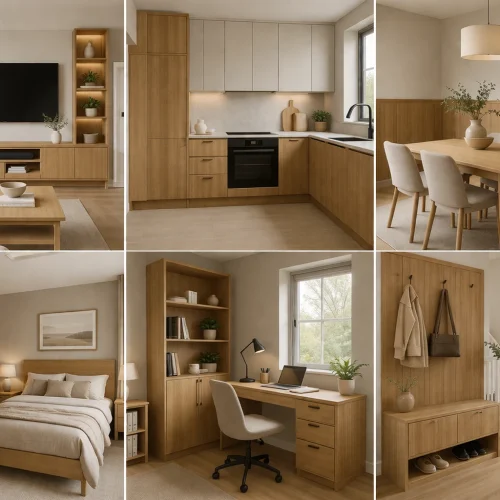
Design isn’t just for HGTV. The way your home looks and feels directly influences your emotional state. Soft textures, warm lighting, and natural materials help ground us. In contrast, harsh colors, chaotic layouts, and overexposure to screens overstimulate our senses. The current design trend toward “quiet luxury” and minimalist setups isn’t about showing off it’s about creating peaceful, functional spaces that don’t fight for attention.
You don’t need to gut your house. Reorganizing cluttered spaces, adding a few plants, or investing in quality curtains can create a home that feels like a sanctuary. Your environment should recharge you not drain you further.
Comfort Is Not a Luxury—It’s Preventative Care
There’s an irony in how we prioritize health: we’ll invest in vitamins, apps, and expensive fitness gear but overlook the fact that our home environment sets the baseline for all of that to work. It’s not sexy to say “fix your insulation” or “replace the loud AC unit,” but those actions often have more day-to-day impact than a meditation app or a smoothie cleanse.
In the conversation about well-being, home comfort deserves more respect. It’s the foundation that makes everything else sustainable. Before you overhaul your diet or change your entire schedule to feel better, take a good look around the house. Are the basics supporting you? Is your space working with you or quietly working against you? We live in a time when burnout is common, anxiety is high, and people are desperate for ease. Sometimes, that ease starts at home with quieter rooms, better airflow, and a thermostat that actually listens. If comfort feels like a luxury, maybe we’ve been asking the wrong questions all along.
FAQs
Inconsistent temperatures can disrupt sleep cycles by causing night sweats or chills, leading to frequent awakenings.
Yes, ongoing discomfort like noise, drafts, or bad air quality can increase irritability and stress over time.
Proper lighting, especially natural light, improves alertness and reduces eye strain, which helps maintain concentration.
Poor indoor air quality can cause fatigue, headaches, and brain fog, making it harder to think clearly.
Background noise interrupts deep sleep stages, even if it doesn’t fully wake you, leaving you feeling unrested.
Yes, addressing minor issues like drafts or flickering lights reduces constant low-level stress on the nervous system.
Comfortable temperatures, quiet spaces, and good lighting directly support focus and sustained productivity.
Repeated small annoyances accumulate, increasing mental fatigue and lowering overall mood.
Calming colors, soft lighting, and uncluttered spaces help the brain relax and feel more balanced.
Yes, a comfortable home supports better sleep, focus, and mood, making it a form of preventative care.