LED lighting is everywhere now. Homes, offices, schools, cafés, hospitals. Efficient. Affordable. Long-lasting. On paper, it looks like a win. Yet a growing number of people quietly feel something is off. Eye strain. Headaches. Restless sleep. That buzzing discomfort you can’t quite name after a long day under artificial light. For some, it’s subtle. For others, it’s enough to disrupt sleep patterns, productivity, and overall well-being.
This doesn’t mean LEDs are “bad” in a dramatic sense. But it does mean lighting is no longer just a utility choice. It’s a health decision. And for many people, exploring health-friendly alternatives to LED lights makes real sense. This article walks through what actually matters in lighting, why some LEDs feel harsh, and what alternatives exist if comfort, sleep, and visual health are priorities.
Why Lighting Affects Health More Than We Realize
Humans evolved under the sun and firelight. Natural light changes gradually throughout the day. Firelight flickers gently, stays warm, and disappears at night. Modern lighting breaks that rhythm completely. Artificial light influences the body in three major ways.
First, it affects circadian rhythm. Light exposure, especially blue-heavy light in the evening, suppresses melatonin. That makes it harder to fall asleep and reduces sleep quality. The biological role of light in regulating sleep–wake cycles is well documented in research on circadian rhythm, including the overview provided on Wikipedia. Second, it affects the eyes and nervous system. Flicker, glare, and poor color rendering force the brain to work harder to interpret visual information. Over time, this contributes to eye fatigue and headaches.
Third, it affects mood and focus. Harsh or unnatural lighting can increase stress, reduce concentration, and subtly alter how comfortable a space feels. LEDs vary widely in quality, but many mass-market versions prioritize efficiency and brightness over biological comfort.
What Makes a Light Health-Friendly
A health-friendly light source doesn’t need to be perfect. It needs to minimize stress on the eyes and nervous system. Several factors matter more than brand names or marketing claims. Color temperature is one. Warm light, especially in the evening, is gentler on the brain. Cool, blue-heavy light signals daytime alertness.
Color rendering quality is another. Light that shows colors accurately feels more natural and reduces visual strain. Flicker matters more than most people realize. Even flicker that isn’t consciously visible can fatigue the brain. Glare also plays a role. Extremely bright, directional light can feel aggressive rather than supportive. With those basics in mind, let’s explore the most common health-friendly alternatives to LED lighting.
Incandescent Bulbs: Simple, Natural, and Still Relevant
Incandescent bulbs are often dismissed as outdated. Yet from a biological perspective, they remain one of the most comfortable artificial light sources ever created. They work by heating a filament until it glows. That glow produces a continuous, full spectrum of light without flicker or sharp spikes.
The light feels warm, soft, and familiar. Skin tones look natural. Shadows feel gentle. The eyes don’t have to fight the light. For bedrooms, reading lamps, and evening spaces, incandescent bulbs remain an excellent option for people who prioritize comfort over efficiency. The downside is obvious. They use more energy and burn out faster. Many regions have phased them out for general use. But where available, they’re still a strong choice for limited, intentional lighting.
Halogen Lighting: A Brighter Evolution of Incandescent
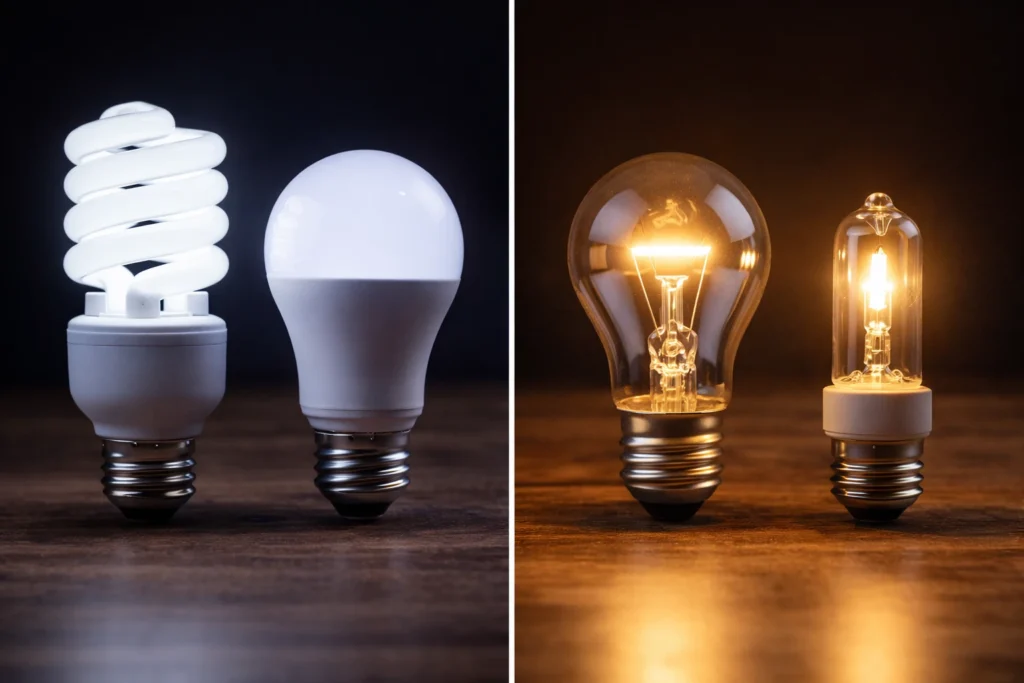
Halogen bulbs are a refined version of incandescent lighting. They use a halogen gas cycle that allows the filament to burn hotter and brighter. The result is crisp, clear light with excellent color accuracy and no flicker. Objects look sharp without feeling harsh. Text appears clearer. Details stand out naturally.
Halogen lighting works well in kitchens, task lighting, and workspaces where clarity matters but comfort still counts. For homeowners comparing halogen vs LED alternatives for warm lighting, halogen often stands out as the option that feels most natural while still delivering strong illumination.
There are trade-offs. Halogen bulbs run hot and need proper fixtures. They are more efficient than traditional incandescent bulbs but still less efficient than LEDs. For people sensitive to LED lighting but needing brighter illumination, halogen is often an ideal middle ground.
Compact Fluorescent Lamps: A Mixed Bag
Compact fluorescent lamps, or CFLs, were once the go-to alternative to incandescent bulbs. They’re more efficient and last longer, but they come with caveats. Some CFLs flicker noticeably, especially as they age. Others produce uneven light that feels flat or dull. There’s also the mercury issue, which requires careful disposal.
Guidance on light exposure and its broader health implications, including how environmental factors affect sleep and alertness, is outlined by the U.S. National Institutes of Health. That said, not all CFLs are equal. High-quality, warm-temperature CFLs with electronic ballasts can be reasonably comfortable in certain spaces. They’re not the top choice for health-focused lighting, but they may be acceptable where LED use causes discomfort and incandescent options are unavailable.
Full-Spectrum and Natural Light Bulbs
“Full-spectrum” is a term that gets abused in lighting marketing. In theory, it refers to bulbs designed to mimic natural daylight more closely. When done well, full-spectrum lighting can improve mood, reduce eye strain, and support alertness during the day. These bulbs are often popular in home offices, studios, and spaces with limited sunlight.
The key is moderation. Full-spectrum light is most helpful during morning and daytime hours. Using it late in the evening can disrupt sleep just as much as blue-heavy LEDs. For people working indoors for long stretches, these bulbs can make a noticeable difference in comfort and focus.
Low-Blue-Light and Warm-Tone Lighting Solutions
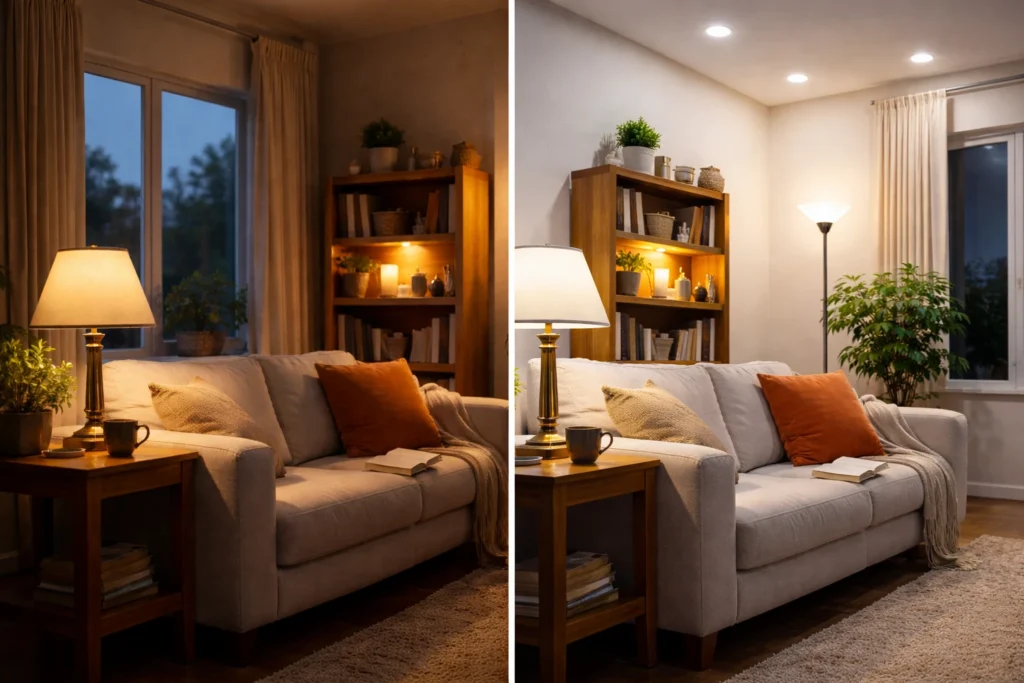
Not all LED alternatives require abandoning modern lighting entirely. Some people focus on minimizing blue light exposure instead. Warm-tone bulbs designed specifically for evening use reduce melatonin suppression and create a calmer environment. These lights feel closer to candlelight or sunset tones.
Paired with brighter, cooler light during the day, this approach supports a more natural rhythm. This strategy works best when lighting changes with the time of day. Bright mornings. Softer evenings. Darkness when possible. Lighting becomes something you manage intentionally rather than leave on autopilot.
Using Natural Light as the Primary Alternative
The healthiest light source is still free. Sunlight. Designing spaces to maximize daylight reduces reliance on artificial lighting altogether. Simple changes make a difference. Keeping windows unobstructed. Using lighter wall colors. Adding mirrors to reflect natural light deeper into rooms.
Task lighting also matters. Instead of flooding a room with overhead light, using lamps exactly where light is needed reduces overall exposure and glare. During the day, less artificial light is often better light.
Room-by-Room Lighting Choices That Support Health
Bedrooms benefit most from warm, low-intensity lighting. Soft lamps instead of ceiling lights. Incandescent or warm halogen bulbs where possible. Darkness at night whenever practical. Home offices need balance. Bright enough to focus, but not harsh. Halogen or full-spectrum lighting during work hours, paired with natural light whenever available.
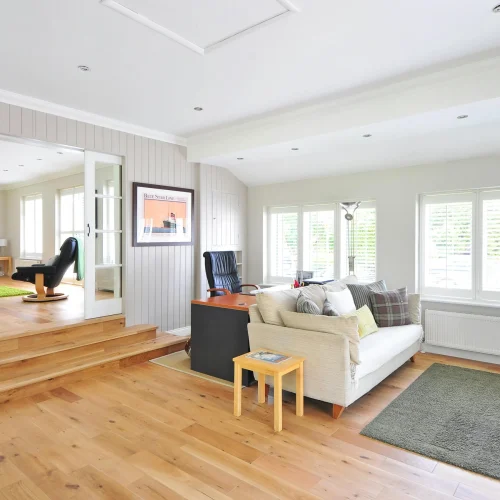
Living rooms should feel inviting rather than clinical. Warm, layered lighting works best. Lamps over overhead fixtures. Soft pools of light rather than a single bright source. Kitchens and bathrooms need clarity, but not glare. Diffused lighting, good color rendering, and careful placement prevent harsh reflections. Lighting is not one-size-fits-all. It’s situational.
Understanding Labels Without Getting Lost
You don’t need to become a lighting engineer. But a few basics help. Color temperature is measured in Kelvin. Lower numbers mean warmer light. Higher numbers mean cooler light.
Color rendering index, or CRI, measures how accurately colors appear. Higher is generally better. Brightness is measured in lumens, not watts. More lumens mean more light, not necessarily better light. Claims like “flicker-free” and “eye-friendly” vary in meaning. Real-world comfort matters more than packaging.
Cost, Efficiency, and Realistic Trade-Offs
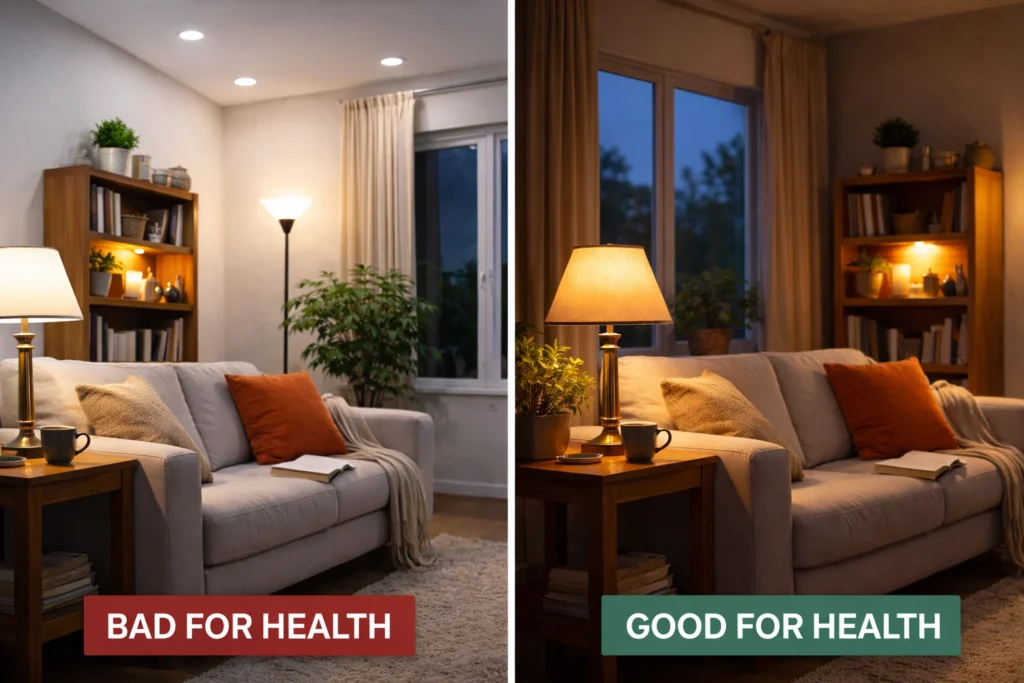
Energy efficiency matters. So does comfort. For most people, the goal isn’t to eliminate LEDs everywhere. It’s to use them thoughtfully and supplement or replace them where health and comfort matter most.
Bedrooms, reading areas, and workspaces are good places to prioritize comfort. Storage rooms and hallways can remain purely functional. Mixing lighting types is normal. Balanced lighting is better than extreme solutions.
Practical Steps to Transition Away From Harsh Lighting
You don’t need to overhaul your entire home overnight. Start with the spaces where you spend the most time. Replace a few bulbs. Add lamps. Change placement. Observe how your body responds. Pay attention to how your eyes feel at night. How quickly you fall asleep. Whether headaches decrease. Lighting changes often deliver subtle improvements that add up over time.
Final Thoughts: Lighting Is Personal
There is no universally perfect light source. Some people thrive under LEDs. Others struggle. Sensitivity varies, and that’s normal. What matters is paying attention to how light affects you, not just how efficient it claims to be. Health-friendly alternatives to LED lights aren’t about nostalgia or rejecting progress. They’re about designing environments that support how humans actually function. Comfort matters. Sleep matters. And light plays a bigger role in both than most people realize.
FAQs
Some LEDs emit blue-heavy light or flicker subtly, which can contribute to eye strain, headaches, or sleep disruption.
Incandescent bulbs produce a continuous, warm light spectrum that many people find easier on the eyes, especially in the evening.
Yes, halogen bulbs offer excellent color accuracy and warm light without flicker, making them a common comfort-focused alternative.
Not always, but cool or blue-rich LEDs used at night can suppress melatonin and interfere with healthy sleep patterns.
Warm light, typically below 3000K, is generally better for relaxation and supporting natural sleep cycles.
They can be beneficial during daytime hours for focus and mood, but should be avoided late at night.
They can reduce discomfort, but color quality and brightness still play a major role in visual comfort.
Yes, sunlight remains the healthiest option and helps regulate circadian rhythm when used appropriately during the day.
Bedrooms, reading areas, and living spaces often benefit most from warmer, softer lighting options.
No, many people find relief by adjusting lighting only in key areas where they spend the most time.