
Moving to another country ranks among life’s most significant decisions. Whether you’re chasing career opportunities, reuniting with family, or simply seeking a fresh start, relocating between Australia and New Zealand offers exciting possibilities alongside considerable challenges.
The Trans-Tasman relationship makes migration between these neighbouring nations relatively straightforward compared to other international moves. However, successful relocation still requires careful planning, strategic decision-making, and attention to countless details that can make or break your transition.
This comprehensive guide covers everything you need to know about moving between Australia and New Zealand. From career planning and logistics to practical considerations about vehicles and settling in, you’ll find actionable advice for every stage of your journey.
Understanding the Trans-Tasman Migration Landscape
Australia and New Zealand share a unique relationship that simplifies cross-border movement. Citizens of either country can generally live and work in the other without obtaining visas, thanks to long-standing bilateral agreements.
This freedom of movement creates tremendous opportunities for those seeking change. Economic conditions, lifestyle preferences, and personal circumstances regularly motivate thousands of people to cross the Tasman Sea each year.
However, ease of entry doesn’t eliminate the complexity of actually relocating your life. Employment, housing, transportation, and countless logistical challenges still require careful navigation.
Planning Your Career Before the Move

Smart relocators think about employment before they think about packing boxes. Understanding job markets in your destination helps ensure financial stability from day one in your new country.
Research industries experiencing growth in your target location. New Zealand’s construction, healthcare, and logistics sectors consistently seek skilled workers, while Australia offers strong opportunities in mining, technology, and professional services.
Consider whether your qualifications transfer directly or require additional certification. Some professions demand local licensing or registration before you can practice legally in your destination country.
The transport and logistics industry presents robust opportunities in both countries. Qualified truck drivers remain in high demand across Australia and New Zealand, with competitive salaries and consistent work availability throughout the year.
If you’re considering a career change alongside your relocation, the transport sector offers accessible entry points with clear progression pathways. Professional truck licence training provides the qualifications needed to operate commercial vehicles, opening doors to stable employment in your new home country.
Obtaining heavy vehicle licences before relocating can actually accelerate your job search considerably. Employers value candidates who arrive ready to work without requiring additional training investment on their part.
Timing Your International Move Strategically
Seasonal considerations affect both the moving process and your early experiences in a new country. Planning around weather patterns and peak moving periods can save money and significantly reduce stress.
Summer months see the highest relocation activity in both Australia and New Zealand. This increased demand drives up costs for shipping, temporary accommodation, and professional moving services across the board.
Consider scheduling your move during shoulder seasons when possible. Autumn and spring offer milder weather for the physical work of moving while avoiding peak pricing periods that strain budgets.
School calendars matter significantly for families with children making international moves. Aligning your move with term breaks minimises educational disruption and helps children integrate more smoothly into new schools and friendship groups.
Deciding What to Bring Across the Tasman
Every item you ship internationally adds cost to your relocation budget. Evaluating possessions critically helps distinguish between essentials and items better replaced upon arrival in your new country.
Furniture presents the most challenging decisions for international movers considering their options. Large pieces cost substantially more to ship than their replacement value often justifies.
Sentimental items, family heirlooms, and irreplaceable possessions deserve priority shipping consideration without question. Every day, furniture and appliances frequently make more sense to sell before departure and replace after arrival.
Electronics require particular attention due to differing electrical standards between countries. While Australia and New Zealand share similar power systems, some appliances may still require adapters or prove completely incompatible.
Clothing and personal items generally justify shipping costs given their irreplaceable nature. Books, decorative items, and hobby equipment require individual cost-benefit analysis based on replacement difficulty and personal attachment.
Managing the Complex Logistics of Your Move
International relocation involves coordinating numerous moving parts simultaneously across different time zones. Creating detailed timelines and checklists prevents important tasks from falling through the cracks during busy periods.
Shipping household goods typically takes several weeks via sea freight between Australia and New Zealand. Air freight offers faster delivery but at significantly higher costs, making it practical only for truly essential items.
Temporary accommodation bridges the gap between arrival and permanent housing settlement. Budget for at least two to four weeks in short-term rentals or serviced apartments while you establish yourself.
Professional moving companies specialising in Trans-Tasman relocations streamline many logistical challenges. Their experience navigating customs requirements and shipping logistics proves invaluable for first-time international movers.
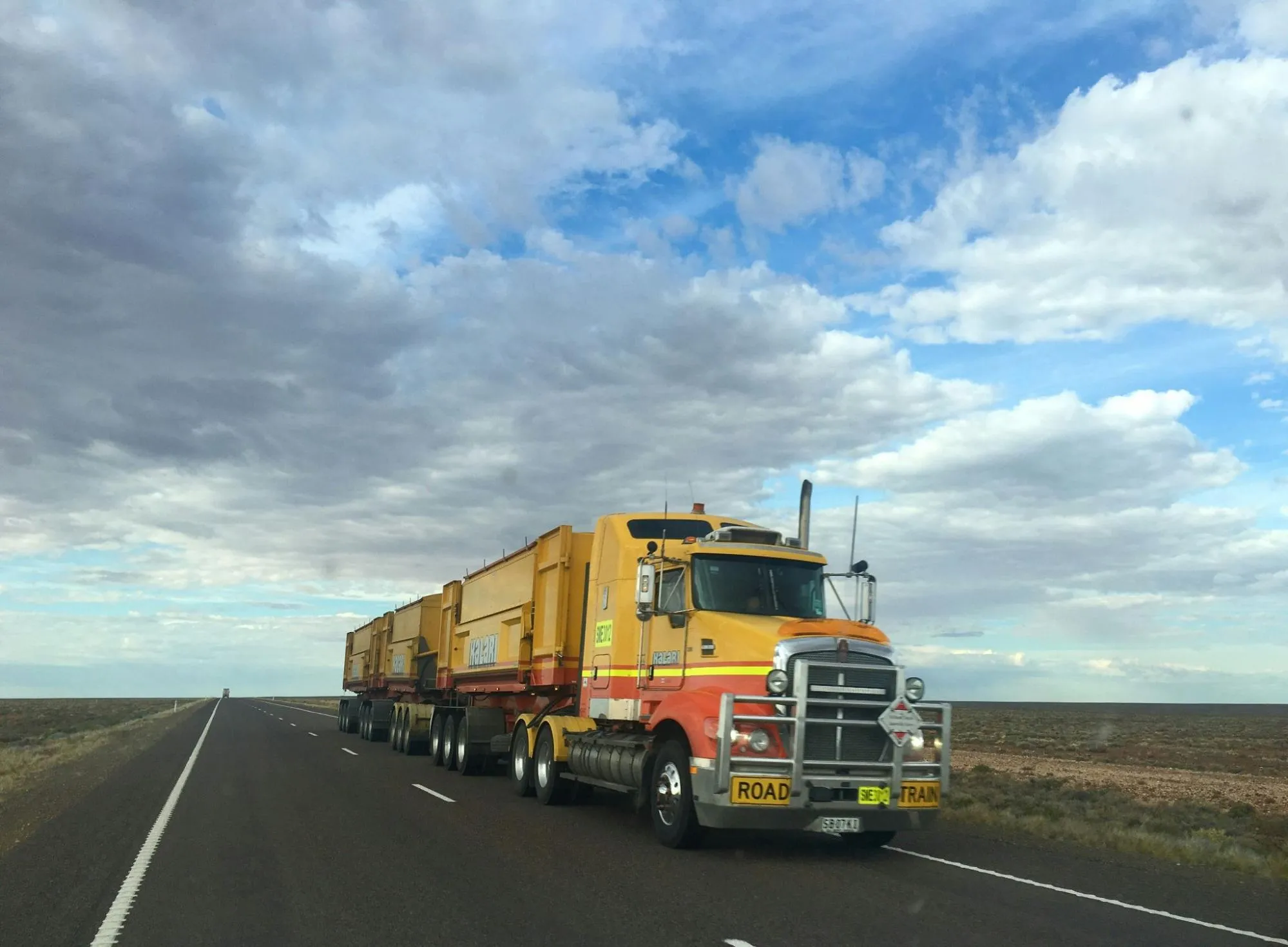
Once you arrive in New Zealand, you’ll need reliable transportation to move your belongings into permanent accommodation. Many relocators choose to hire a truck Auckland rental companies, handling the final leg of their belongings’ journey from port storage to their new home.
Professional truck rental companies offer flexible terms perfectly suited to relocation needs. Daily and weekly hire options accommodate the unpredictable timelines that international moves often involve.
Choosing reputable rental providers ensures reliable vehicles and comprehensive support when you need it most. Established companies maintain well-serviced fleets and provide breakdown assistance that proves invaluable during stressful moving periods.
Handling Your Vehicle During International Relocation
Vehicles present unique challenges for Trans-Tasman relocators that require careful consideration. The decision to ship, sell, or dispose of your car significantly impacts both your budget and your early mobility in your new country.
Shipping vehicles internationally costs thousands of dollars before even considering necessary compliance modifications. Australian and New Zealand vehicle standards differ in several important areas requiring professional inspection and potential mechanical upgrades.
Import duties and registration fees add further expense to shipped vehicles already burdened with transport costs. Many relocators discover that selling their current car and purchasing locally offers substantially better overall value.
Age and condition dramatically affect whether shipping makes financial sense for any particular vehicle. Cars more than ten years old or those requiring significant mechanical repairs rarely justify the shipping costs involved.
The condition of your vehicle determines whether selling privately or using disposal services makes more sense. Damaged, non-running, or high-mileage vehicles often attract minimal private sale interest, making alternatives worth exploring.
For vehicles you’ve decided aren’t worth shipping or selling privately, professional disposal services offer convenient solutions with minimal hassle. If you’re relocating from the lower North Island region, auto wreckers Palmerston North services can collect unwanted vehicles directly from your location and provide cash payments that contribute meaningfully to your relocation fund.
Car wrecking services handle all necessary paperwork and collection logistics, removing one more task from your already crowded pre-departure checklist. They accept vehicles in any condition, from running cars to completely damaged or non-operational vehicles.
Environmental responsibility matters when disposing of vehicles before international relocation. Reputable wreckers ensure proper fluid drainage, parts recycling, and material disposal that meet strict environmental standards.
Setting Up Your New Life After Arrival

The first weeks after arriving in a new country involve establishing essential services and daily routines. Prioritising these foundational tasks creates stability from which everything else naturally follows.
Banking should happen within your first few days in your new country. Local accounts enable salary deposits, bill payments, and everyday transactions without international transfer fees continuously eating into your budget.
Healthcare registration protects you and your family from unexpected and potentially devastating medical expenses. Understanding the public health system thoroughly and considering supplementary private insurance deserves early and careful attention.
Mobile phone service keeps you connected during the critical settling-in period when communication matters most. Local numbers make job searching, apartment hunting, and general communication significantly easier and more affordable.
Finding Permanent Housing in Your New Country
Rental markets in both Australian and New Zealand cities can prove highly competitive, especially in desirable areas. Starting your search before arrival gives you meaningful advantages over those beginning their search after landing.
Virtual property inspections have become increasingly common and accepted since the pandemic changed expectations. Many landlords and property managers now willingly accommodate international applicants through video calls and digital documentation.
Temporary accommodation costs motivate quick permanent housing decisions that you might later regret. However, rushing into unsuitable leases creates problems lasting far longer than a few extra weeks in short-term rentals.
Building Your Social Network From Scratch
Loneliness challenges many international relocators during their first months abroad in unfamiliar surroundings. Proactively building social connections combats isolation and dramatically accelerates feeling genuinely at home.
Expatriate communities provide immediate connection with others who truly understand relocation challenges firsthand. Both Australia and New Zealand host active, welcoming communities of Trans-Tasman migrants eager to help newcomers.
Workplace relationships often form the foundation of lasting new social networks in unfamiliar places. Accepting invitations enthusiastically and participating in team activities builds connections that extend meaningfully beyond professional contexts.
Embracing Your New Home Wholeheartedly
Successful relocation ultimately depends on attitude as much as logistics and practical preparations. Approaching your new country with genuine curiosity and openness accelerates the adjustment process significantly.
Cultural differences between Australia and New Zealand, while often subtle, definitely exist and deserve respect. Observing local customs and adapting your behaviour accordingly demonstrates genuine appreciation for your new home.
The investment you make in settling properly pays dividends for many years to come. Taking relocation seriously and addressing each challenge thoughtfully creates strong foundations for truly thriving in your new country.
Conclusion
Relocating between Australia and New Zealand offers life-changing opportunities for those willing to navigate the process thoughtfully and systematically. From career planning and logistics to vehicle decisions and social integration, every aspect deserves careful consideration.
The Trans-Tasman relationship makes this particular international move more accessible than most alternatives. However, accessibility doesn’t eliminate the genuine need for thorough preparation and realistic expectations about challenges ahead.
Whether you’re moving for work, family, or pure adventure, approaching relocation systematically increases your chances of success dramatically. The effort you invest in planning pays substantial returns through smoother transitions and faster, happier settlements.
Your new life across the Tasman awaits with exciting possibilities. With proper preparation and the right support services at each stage, you’ll be thriving in your new home before you know it.
FAQS
Generally no—citizens can live and work freely under Trans-Tasman agreements, though some residency rights differ.
Yes, lining up employment beforehand provides financial stability and reduces stress during your transition.
Construction, healthcare, logistics, and transport consistently experience demand in Australia and New Zealand.
In most cases, selling furniture and replacing it locally is more cost-effective than international shipping.
Sea freight typically takes several weeks, while air freight is faster but significantly more expensive.
Most people find selling their vehicle and buying locally is cheaper once shipping, compliance, and registration costs are considered.
Professional vehicle disposal or car wrecking services provide quick collection, paperwork handling, and cash payouts.
Budget for at least two to four weeks to allow time for housing inspections and lease approvals.
Open a local bank account, arrange mobile service, and register for healthcare as early as possible.
Joining expat groups, engaging at work, and participating in local activities helps build connections quickly.