Transforming a commercial space requires careful coordination of multiple trades and disciplines. Whether you’re launching a new retail store, renovating an office, or upgrading an industrial facility, every decision impacts the final result.
Successful fit-outs balance aesthetics with functionality while staying on budget and schedule. Understanding the key elements involved helps property owners and managers make informed decisions that deliver lasting value.
This comprehensive guide explores the essential components of commercial property fit-outs across Australia. From flooring selections to plumbing infrastructure and surface preparation, you’ll discover what it takes to create spaces that perform.
Starting With the Foundation: Flooring Choices That Define Spaces
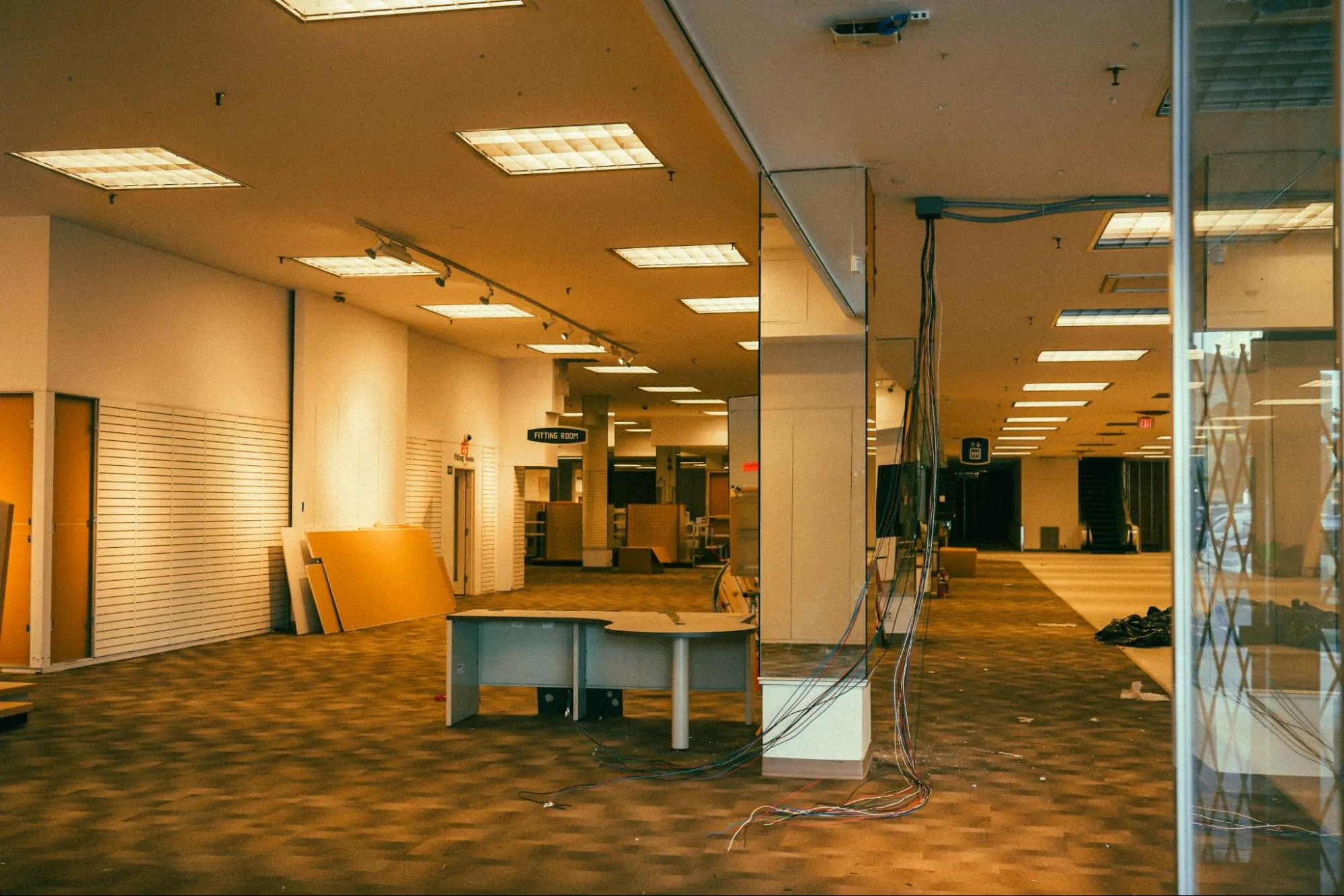
Flooring represents one of the most visible and impactful decisions in any commercial fit-out project. The right choice enhances brand perception, ensures safety compliance, and withstands years of heavy use.
Commercial environments demand flooring solutions engineered for performance beyond residential standards. High foot traffic, equipment loads, cleaning protocols, and safety requirements all influence material selection.
Vinyl flooring has emerged as a leading choice for commercial applications across diverse sectors. Healthcare facilities, educational institutions, retail spaces, and hospitality venues all benefit from its versatility and durability.
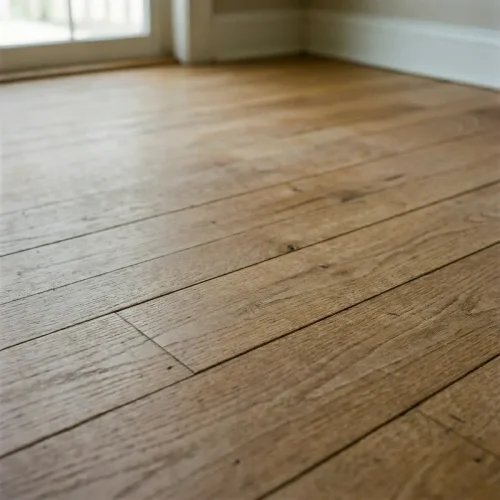
Modern commercial flooring options offer remarkable design flexibility without sacrificing performance. Timber look vinyls provide warmth and elegance while delivering slip resistance and easy maintenance that natural materials cannot match.
Slip resistance ratings deserve particular attention in commercial settings where public safety is paramount. Australian standards specify minimum requirements for different environments, from dry retail floors to wet kitchen areas.
Maintenance considerations significantly impact long-term ownership costs for commercial properties. Some flooring materials require regular sealing, polishing, or specialist cleaning that adds ongoing expense and operational disruption.
Acoustic properties matter in open-plan offices, medical facilities, and educational settings. Flooring that absorbs rather than amplifies footfall noise creates more comfortable environments for occupants and visitors alike.
Sustainability credentials increasingly influence commercial flooring decisions as businesses prioritise environmental responsibility. Eco-friendly options with recycled content and low VOC emissions appeal to environmentally conscious organisations.
Coordinating Essential Services: Plumbing Infrastructure
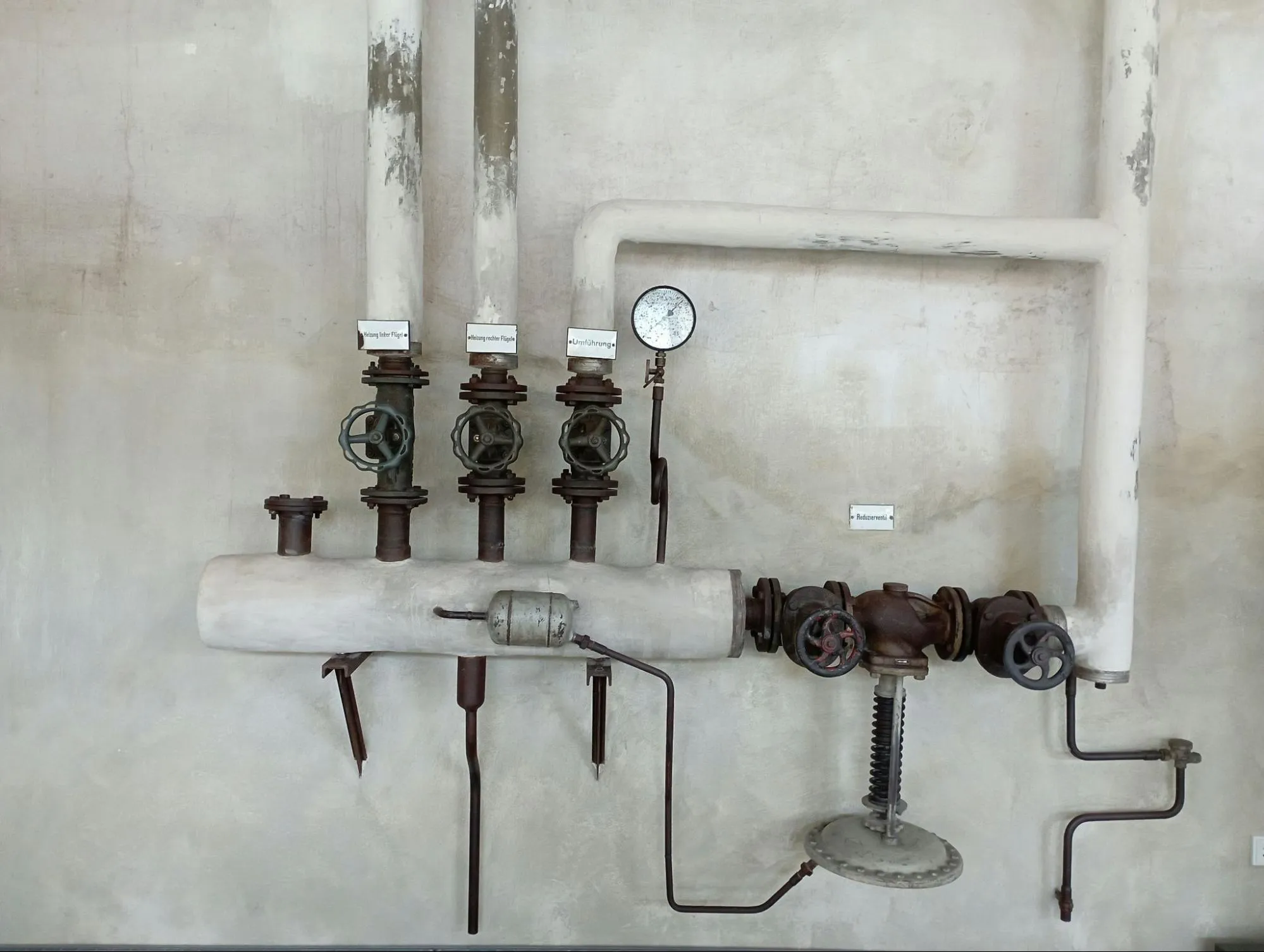
Behind every successful commercial fit-out lies a carefully planned services infrastructure. Plumbing systems support everything from basic amenities to specialised commercial operations requiring precise water and gas configurations.
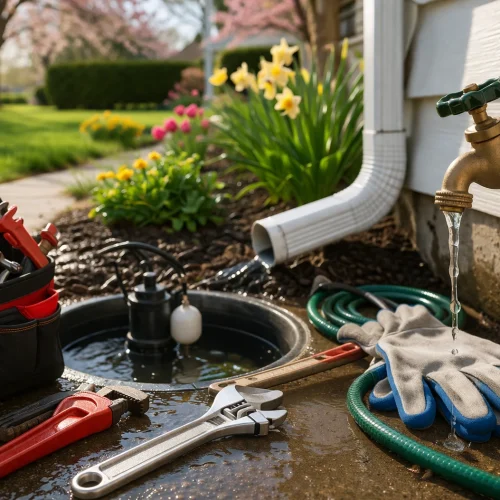
New fit-outs often require extensive plumbing work to meet specific business requirements. Restaurants need commercial kitchen setups, medical facilities require specialised drainage, and offices demand adequate amenity provisions for staff.
Renovation projects frequently uncover existing plumbing issues that must be addressed during the fit-out process. Ageing pipes, inadequate capacity, and non-compliant installations can derail timelines if not identified early.
Location significantly impacts plumbing complexity and contractor availability during commercial projects. Melbourne’s northern growth corridors, for example, have seen massive commercial development requiring reliable trade services.
Businesses undertaking fit-outs in developing areas need contractors who understand local conditions and regulations. Working with an experienced plumber Craigieburn professionals trust ensures projects in Melbourne’s north meet all compliance requirements while staying on schedule.
Emergency service availability matters for commercial properties operating outside standard business hours. Restaurants, healthcare facilities, and logistics operations cannot afford extended downtime from plumbing failures.
Gas fitting requirements add complexity for businesses requiring commercial cooking equipment or heating systems. Only licensed gas fitters should handle these installations, with proper certification and compliance documentation essential.
Hot water system selection impacts both capital costs and ongoing operational expenses for commercial properties. Heat pumps, instantaneous systems, and traditional storage options each suit different usage patterns and building configurations.
Backflow prevention devices protect potable water supplies from contamination in commercial settings. Australian regulations mandate these devices for many commercial applications, requiring professional installation and regular testing.
Drainage design must accommodate anticipated usage patterns and any specialised requirements for the business type. Grease traps for food service, floor wastes for cleaning, and adequate fall for gravity drainage all require expert planning.
Surface Preparation: The Critical First Step
Before any flooring system can be installed, the underlying concrete must be properly prepared. Surface preparation quality directly determines whether finished floors perform as expected or fail prematurely.
Concrete grinding removes imperfections, adhesive residues, coatings, and contaminants that prevent proper bonding. Without adequate preparation, even premium flooring materials will lift, bubble, or deteriorate within months.
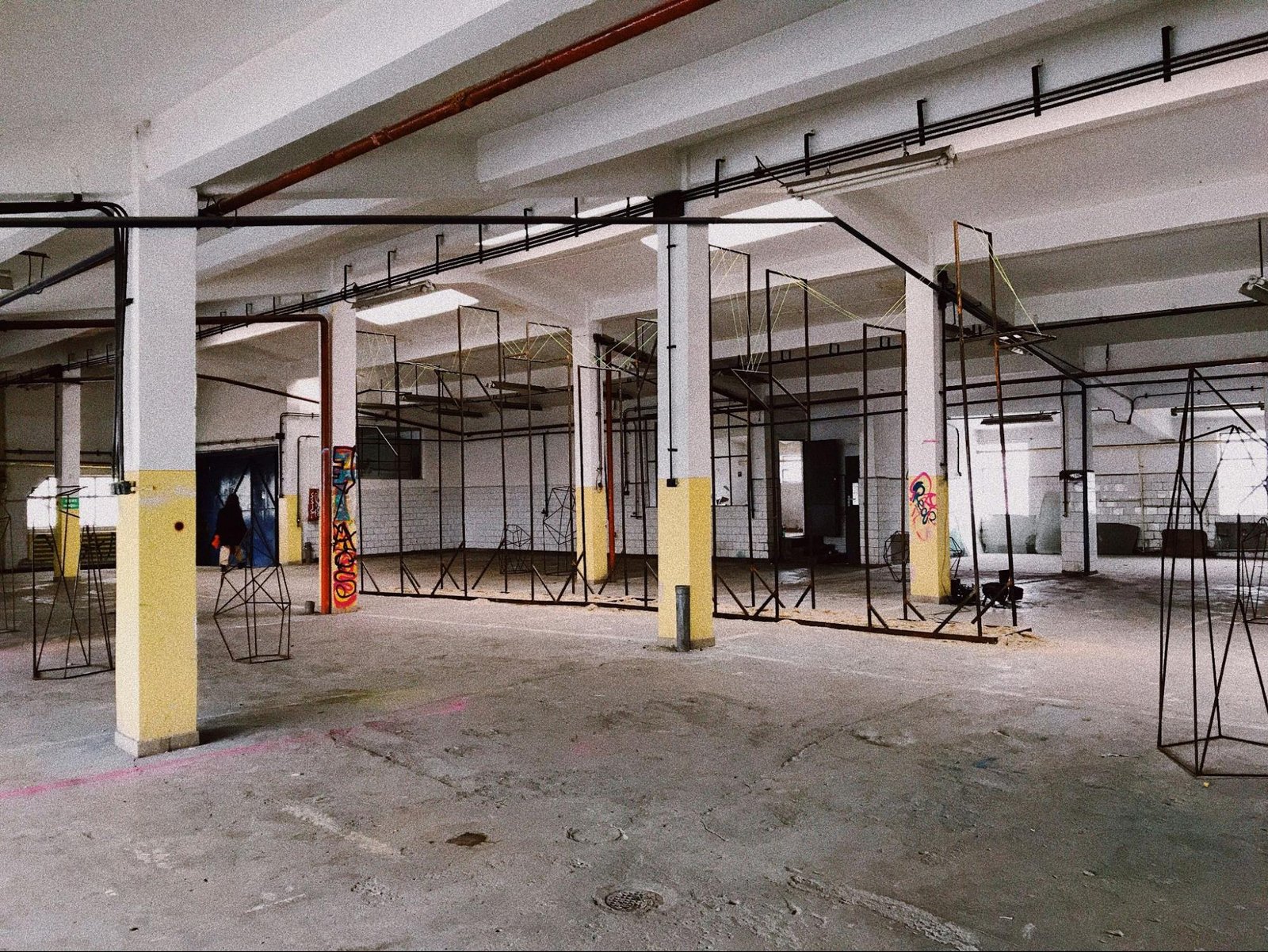
Industrial and commercial facilities face particularly demanding surface preparation requirements. Heavy equipment loads, chemical exposure, and constant traffic require robust floor systems built on properly prepared substrates.
Brisbane’s commercial and industrial sectors have driven strong demand for professional concrete services. Warehouses, manufacturing facilities, retail developments, and logistics hubs all require expert surface preparation before final finishes.
Companies specialising in concrete floor grinding Brisbane businesses rely on deliver the foundation for successful flooring installations. Their expertise ensures concrete surfaces meet the specific profile requirements for each flooring system.
Different flooring types require different Concrete Surface Profiles for optimal adhesion. Tiles, epoxy coatings, vinyl sheets, and polished concrete finishes each have specific preparation requirements that professionals understand.
Shot blasting and scarifying complement grinding for surfaces requiring deeper profiling or aggressive contamination removal. Experienced contractors assess each situation and recommend the most appropriate preparation method.
Dust control during grinding protects both workers and existing building finishes. Professional operators use vacuum systems and containment measures that minimise airborne particles throughout the preparation process.
Floor levelling often accompanies grinding work to correct unevenness before final finishes are applied. Self-levelling compounds create perfectly flat surfaces that eliminate problems with tile lippage or visible undulations in sheet materials.
Moisture testing should occur before any floor covering installation over concrete substrates. Excess moisture causes adhesive failures, mould growth, and flooring system deterioration that results in costly remediation.
Project Management: Coordinating Multiple Trades
Successful commercial fit-outs require careful coordination between numerous trades and suppliers. Flooring contractors, plumbers, electricians, carpenters, and other specialists must work together efficiently.
Sequencing matters enormously in fit-out projects where multiple trades share workspace. Plumbing rough-in typically precedes concrete work, which must cure before floor preparation and final finishes can proceed.
Communication between project stakeholders prevents costly misunderstandings and rework. Clear documentation of specifications, schedules, and responsibilities keeps everyone aligned toward successful completion.
Contingency planning acknowledges that unexpected issues arise in virtually every commercial project. Budget reserves and schedule buffers accommodate discoveries like hidden asbestos, structural deficiencies, or utility conflicts.
Compliance and Certification Requirements

Australian commercial fit-outs must satisfy numerous regulatory requirements before occupancy. Building codes, fire safety standards, accessibility regulations, and industry-specific requirements all apply.
Engaging licensed and insured contractors protects property owners from liability and ensures work meets standards. Certificates of compliance, warranties, and proper documentation provide essential protection.
Council approvals may be required for fit-outs involving structural changes, increased occupancy, or a change of use. Early engagement with approval authorities prevents delays that impact business launch timelines.
Budgeting for Commercial Fit Out Success
Realistic budgeting prevents the compromises that undermine fit-out quality and longevity. Cutting corners on flooring, plumbing, or surface preparation creates problems that cost far more to fix than doing things right initially.
Obtaining multiple quotes allows comparison of scope, quality, and value rather than just price. The cheapest option rarely represents the best value when the total cost of ownership is considered.
Staged payment arrangements aligned with project milestones protect both parties in fit-out contracts. Retentions held until practical completion provide incentive for contractors to address any outstanding issues.
Selecting the Right Partners for Your Project
Contractor selection significantly influences fit-out outcomes and overall project experience. References, portfolio examples, and industry certifications help identify reliable partners.
Local knowledge matters for understanding regional conditions, supplier networks, and regulatory requirements. Contractors established in your area bring valuable insights that improve project efficiency.
Communication style and responsiveness during the quotation phase indicate how contractors will perform during projects. Partners who listen carefully and ask thoughtful questions typically deliver better results.
Long-Term Maintenance Considerations
Fit-out decisions made today impact maintenance requirements for years to come. Selecting durable materials, quality installations, and appropriate systems reduces ongoing operational costs.
Maintenance schedules should be established before handover for all major fit-out components. Flooring care protocols, plumbing service intervals, and equipment maintenance requirements deserve documentation.
Warranty information must be compiled and stored safely for future reference. Understanding coverage periods and conditions ensures you can access support if issues arise.
Conclusion
Commercial property fit-outs represent significant investments that shape business operations for years. Getting the fundamentals right, including quality flooring, reliable plumbing infrastructure, and proper surface preparation, creates spaces that perform.
Working with experienced professionals across each discipline ensures expertise guides every decision. The coordination required between trades demands project management skills that deliver results on time and on budget.
Whether you’re fitting out retail space, renovating offices, or upgrading industrial facilities, the principles remain consistent. Invest in quality, engage qualified contractors, plan thoroughly, and maintain properly for commercial spaces that serve your business well.
Your next commercial fit-out deserves the attention to detail that transforms ordinary spaces into exceptional business environments. Start planning today and create the foundation for your organisation’s future success.
FAQS
A commercial fit-out is the process of transforming an interior space to suit a business’s operational, functional, and branding requirements.
Timeframes vary by scope and complexity, but most commercial fit-outs take anywhere from a few weeks to several months.
Durable options like commercial-grade vinyl, epoxy coatings, and polished concrete are popular due to their wear resistance and low maintenance needs.
Proper surface preparation ensures strong adhesion and prevents premature flooring failures such as lifting, cracking, or bubbling.
Approvals may be required if the project involves structural changes, a change of use, or increased occupancy, so early checks are essential.
Common upgrades include new amenities, commercial kitchen plumbing, grease traps, backflow prevention, and upgraded hot water systems.
Clear scopes, realistic budgeting, multiple quotes, and contingency allowances help control costs and avoid unexpected overruns.
Poor sequencing between trades can cause delays and rework, while proper coordination keeps projects efficient and compliant.
Licensed contractors should supply certificates of compliance, warranties, and relevant safety or regulatory documentation.
Choosing quality materials and professional installations reduces ongoing maintenance, repairs, and operational disruptions over time.