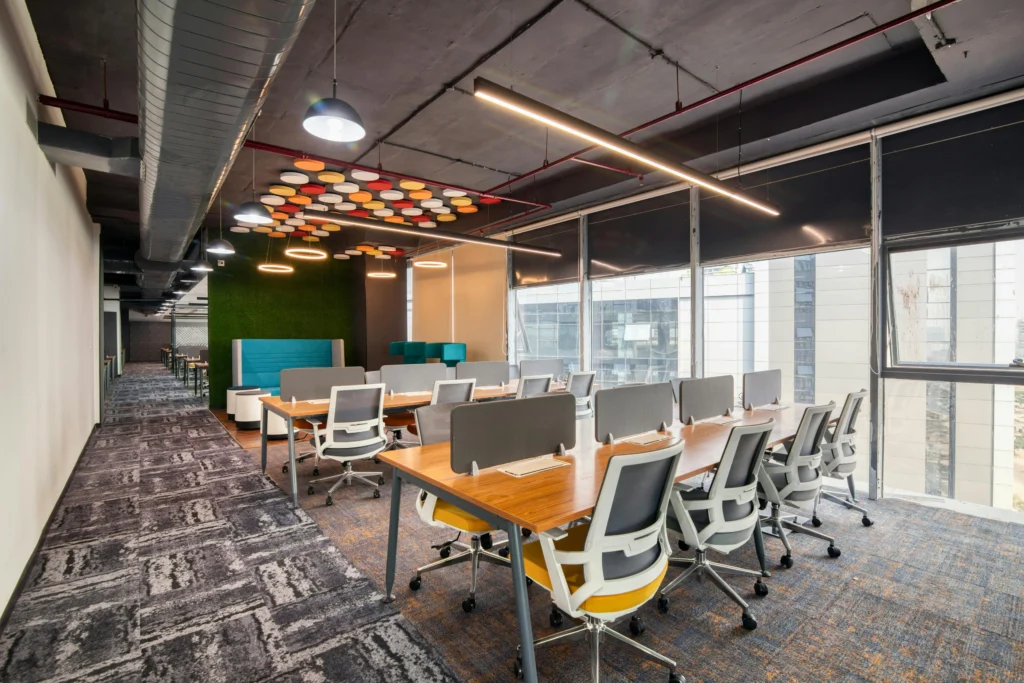
Today’s office has shifted from a mere hardware hub into a vital strategic asset that actively drives organizational success. This space fuels productivity while reflecting a company’s core identity. Achieving a balance between high-level utility and contemporary aesthetics requires a deliberate approach to spatial planning and interior design.
From ergonomic integration to the seamless use of natural light, every element should serve a dual purpose. These features enhance the user experience while maintaining a polished, professional image for the entire business. In this article, we will explore key modern office design principles, offering a roadmap to create a workspace that’s efficient and inspiring.
Define the Purpose and Workflow of the Space
A well-designed office starts with understanding its purpose and workflow. Identify key activities, focused tasks, collaboration, or client interactions. and assign spaces accordingly. Mapping daily operations reduces unnecessary movement and boosts efficiency. Keeping frequently used resources within easy reach helps streamline tasks and supports a smoother, more productive work environment.
MDPI studies highlight how lighting, air quality, and noise levels directly affect productivity and mental health. Poor conditions, like excessive noise, increase stress and disrupt teamwork within functional workflows. By thoughtfully optimizing these environmental factors, organizations consistently enhance employee well-being. This strategic focus ensures the space remains both efficient and supportive.
Choose the Right Furniture for Comfort and Efficiency
Selecting the right furniture is a critical investment in employee health and organizational performance. High-quality ergonomic chairs and height-adjustable desks are essential for reducing physical strain. Meanwhile, versatile storage solutions help maintain a clutter-free, focused environment. When selecting these pieces, prioritize durability to withstand daily use. Ensure flexibility for evolving team needs. Finally, maintain design consistency to reinforce your brand’s visual identity and professional image throughout.
For larger or more complex office environments, the execution phase is just as vital as the selection. Collaborating with professional commercial furniture installation companies ensures that every component is assembled with precision and adheres to strict safety standards. Expert installers optimize space by aligning furniture with layouts, preventing instability, and extending the long-term usability of assets. According to FourSpoke, expert installers ensure efficient execution, integrity, and quality. Companies often offer installation, relocation, warehousing, and maintenance services. Their expertise covers furniture systems, demountable walls, acoustical treatments, signage, art, and more.
Optimize Layout for Space and Flow
An efficient office layout ensures smooth movement and maximizes the use of available space. Start by arranging workstations, meeting areas, and common zones to minimize congestion and support natural movement patterns. Clear pathways and logical placement of departments can reduce distractions and improve communication. Collaborative open layouts and quiet zones effectively balance team interaction.
The TJB American Business Magazine reported that poor layouts increase travel time and workplace risks. Inefficient design disrupts workflow and reduces productivity. To optimize flow, align layout with operational needs, use vertical storage, and organize frequently used items in accessible areas for smoother movement.
Focus on Lighting and Ambience
ResearchGate reports that poor lighting causes eye strain, headaches, and reduced concentration. Studies found that levels below 140 lux specifically lead to visual fatigue and drowsiness. This environmental deficiency causes a rapid loss of worker focus. Addressing these lighting thresholds is essential for maintaining high organizational performance and employee health.
Move beyond harsh overhead fluorescents by layering natural light, task lighting, and ambient fixtures. Position workstations near windows to maximize daylight exposure, and supplement with adjustable desk lamps for individualized control. Incorporate warm-toned LEDs in break areas and dimmable lighting in meeting rooms to create adaptable atmospheres for daily activities.
Incorporate Storage and Organization Solutions
Effective storage and organization solutions keep offices clean, functional, and visually appealing. Use cabinets, shelves, and modular units to meet varied storage needs while ensuring easy access. Labeled compartments and digital filing systems reduce clutter, streamline workflows, and improve efficiency, creating a more organized and productive work environment.
Personnel Today reported that 53% of workers lose up to two hours daily searching for essential information. Disorganized storage systems contribute to delays and inefficiency. Implementing structured storage and clear organization reduces time waste, improves access to resources, and supports a more productive, streamlined office environment.
Integrate Technology Seamlessly
Technology should empower productivity, not create visual clutter. Integrate wired and wireless solutions discreetly by concealing cables within furniture channels, under desks, or through floor boxes. Equip meeting rooms with user-friendly video conferencing systems and centralized booking displays to streamline collaboration.
Incorporate ample, strategically placed power outlets throughout open areas and lounges to support mobile workstyles. When technology infrastructure is thoughtfully integrated from the beginning, it creates a seamless and efficient workspace. Instead of appearing intrusive, digital tools blend into design, enhancing functionality while preserving a clean, modern, visually seamless office environment.
Frequently Asked Questions
Small offices achieve modern style through minimalistic furniture and neutral palettes. Optimizing daylight and clever organization improves aesthetics while ensuring a clean, highly focused workspace. Finally, adding cohesive design accents creates a professional, inviting, and contemporary workspace that feels functional and stylish.
Open office layouts can still be effective when designed thoughtfully. They encourage collaboration and communication, but may also increase distractions. Balancing open spaces with quiet zones and private areas is key. Modern workplaces benefit from hybrid layouts that combine flexibility, focus, and teamwork to meet diverse employee needs.
Future-proof office design by prioritizing flexibility, modular furniture, and scalable layouts. Integrating adaptable technology and multipurpose spaces ensures long-term usability. Planning for hybrid work models and evolving team needs allows offices to remain functional and cost-efficient as workplace trends change.
Designing a Space That Works and Inspires
Creating a functional and stylish modern office space requires a thoughtful balance between aesthetics and practicality. Purpose-driven layouts, ergonomic furniture, storage, technology, and ambience create environments that effectively support both business productivity and employee well-being.
Each design decision must foster a unified environment reflecting the company’s brand and the workforce’s functional requirements. As work cultures continue to evolve, adaptable and well-planned office designs will remain essential. Ultimately, a modern office is more than just a workplace; it’s a dynamic space that inspires collaboration, creativity, and long-term success.