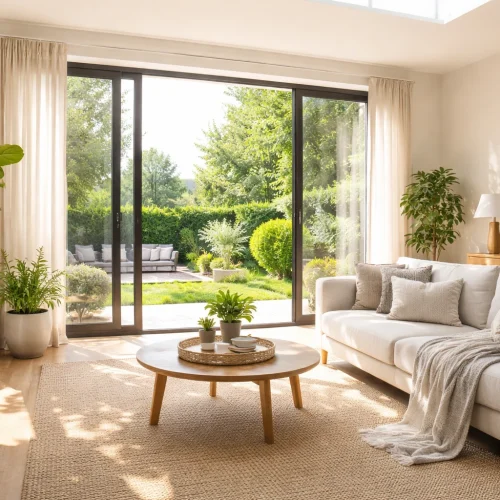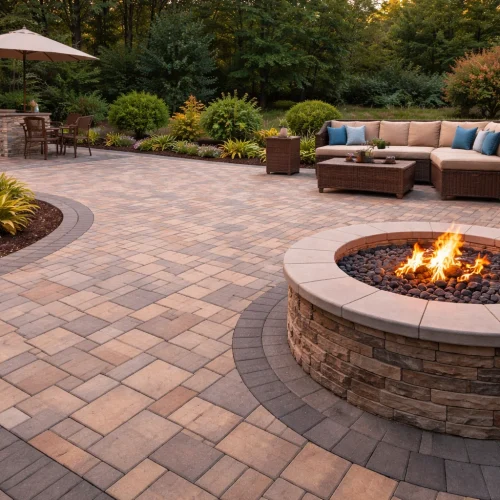
Front and backyard design choices can impact daily life. People do not wake up thinking about layout or structure, yet those decisions influence how often they step outside, how long they stay there, and how comfortable those moments feel. However, routines quietly adjust around what works and what does not. Outdoor spaces either become part of everyday flow or slowly fall out of use without any deliberate choice.
This effect becomes especially noticeable once seasons shift and daily habits change. In New Jersey, outdoor routines depend heavily on how well a home handles changing weather, humidity, and temperature swings. Design choices that support consistency allow people to use outdoor areas more freely throughout the year. When those choices fall short, routines adapt by avoiding those spaces altogether.
Roof Condition and Outdoor Use
Roof condition influences outdoor use more than people often realize. Shade coverage, water runoff, and overall protection affect how comfortable outdoor areas feel during hot days or sudden rain. Once overhead protection feels dependable, people tend to step outside without hesitation. This confidence shapes routines over time, even if it remains unnoticed.
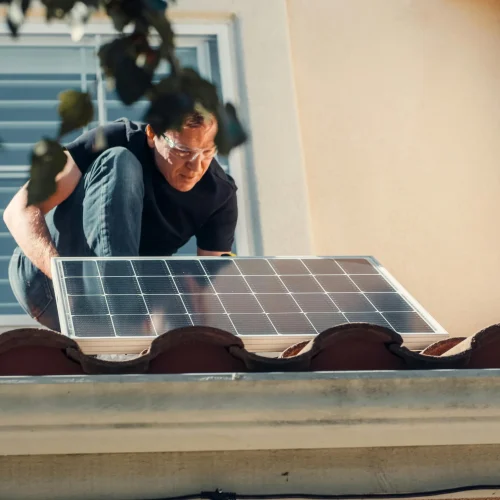
Once comfort becomes unreliable, daily habits change subtly. Outdoor time shortens or becomes conditional. As such, replacing the roof often becomes a crucial task. For projects like residential roof replacement NJ residents always turn to the professionals to restore consistency. Professionals bring hands-on experience, access to materials designed for long-term performance, and practical knowledge of local weather and building requirements that most homeowners are not equipped to handle on their own. A well-maintained roof supports predictable outdoor use, allowing routines to continue without constant adjustment.
Entryway Flow and Daily Movement
Entryway flow plays a key role in how outdoor spaces connect to daily life. The ease of moving in and out of the home influences how often people step outside during short breaks or transitions. Smooth movement encourages frequent use without conscious effort.
When flow feels awkward or interrupted, outdoor routines become less spontaneous. People delay or skip stepping outside altogether. As such, this reshapes how the front and backyard fit into daily movement. Design that supports natural transitions keeps outdoor spaces active and integrated.
Yard Visibility and Relaxation Habits
Visibility shapes how comfortable people feel spending time outdoors. Clear sightlines support a sense of awareness that allows people to relax without distraction. Once outdoor areas feel visually connected and open, they invite longer stays and more frequent use.
Limited visibility changes that dynamic. Time outside becomes shorter and more task-focused. Relaxation gives way to brief visits. This influences how outdoor spaces are perceived and used. Visibility quietly guides whether a space feels welcoming or temporary.
Backyard Layout and Everyday Use
Backyard layout determines how easily outdoor spaces fit into daily routines. Spacing, access points, and general organization affect whether stepping outside feels natural or disruptive. A layout that supports movement encourages casual use throughout the day.
If the layout feels restrictive, outdoor areas shift toward occasional use. People stop viewing the backyard as part of everyday life and reserve it for specific moments. This separation becomes a habit. Layout decisions influence whether outdoor space stays active or becomes overlooked.
Garden Access and Time Outdoors
Access to garden areas affects how often people engage with their outdoor environment. When access feels direct and convenient, stepping outside becomes a regular part of the day. Such brief moments add up and shape long-term routines.
Limited access changes behavior. Outdoor time becomes intentional rather than spontaneous. After some time, this reduces how connected people feel to their outdoor space.
Backyard Lighting and Evening Routines
Backyard lighting changes how evenings unfold in subtle but lasting ways. When lighting feels intentional and comfortable, people stay outside longer without planning to. Stepping into the yard after dinner, checking on plants, or sitting outside for a few quiet minutes becomes part of the normal evening flow. Lighting does not need to be dramatic to be effective. It needs to feel reliable and well placed.
If lighting feels harsh, uneven, or insufficient, outdoor routines shorten. People retreat indoors earlier, even if the weather feels comfortable. Plus, this reshapes how evenings are spent. Backyard lighting influences whether the outdoor space feels usable during everyday moments or reserved for special occasions only.
Yard Zoning and Multitasking During Busy Afternoons
Yard zoning plays a major role during busy parts of the day. Separate areas for different activities allow outdoor space to support more than one purpose at a time. This matters most during afternoons when multiple things happen at once. A yard that accommodates movement, rest, and tasks without overlap feels easier to use.
Without clear zoning, outdoor space can feel chaotic or underused. People hesitate to step outside if activities compete for the same area. Zoning allows routines to unfold naturally without requiring constant adjustment or negotiation.
Front Yard Openness and Lingering Time Outside
Front yard openness influences how long people stay outside rather than simply passing through. An open, welcoming layout encourages brief pauses that stretch into longer moments. Sitting outside for fresh air, greeting neighbors, or handling small tasks becomes more appealing when the space feels accessible.
If openness is limited, front yard use becomes purely functional. People move through quickly and return indoors without lingering. Plus, this reduces how often the front yard becomes part of daily life. Openness shapes whether the space supports connection or remains a transition zone.
Outdoor Dining and Meal Routines
Outdoor dining setups quietly reshape how meals fit into the day. Easy access, comfortable spacing, and thoughtful placement make it simpler to take meals outside without planning. Moreover, this changes eating habits. Meals shift outdoors more often, even during regular weekdays.
When dining setups feel inconvenient, outdoor meals become rare. People default to indoor routines even when conditions feel pleasant.
Side Yard Usability and Household Movement
Side yards often shape household movement without being noticed. A usable side yard supports smooth transitions between front and back spaces. Carrying items, moving between tasks, or accessing storage becomes easier when the space feels intentional.
If side yards feel neglected or impractical, movement patterns adjust. People take longer routes or avoid certain tasks altogether. Moreover, this influences how often outdoor spaces get used. Side yard usability quietly supports efficiency and flow throughout the day.
Conclusion
Front and backyard design choices shape daily routines through access, comfort, and flow. Such decisions influence how often people step outside, how long they stay, and how naturally outdoor spaces fit into everyday life. Small design details accumulate into lasting habits. When outdoor spaces support real routines, they become part of daily life rather than background features.