Fluorescent lights had a good run. For decades, they were the default choice for offices, schools, garages, and retail spaces. But times have changed. Today, fluorescent light alternatives offer better comfort, lower energy costs, and far more flexibility than those buzzing tubes ever could. If you’re still living under flickering panels or humming shop lights, it might be time for an upgrade.
I’ve worked with property owners, facility managers, and homeowners who all say the same thing after switching away from fluorescents: “I didn’t realize how bad the old lighting was until it was gone.” That reaction alone tells you something important.
Let’s break down why people are moving on, what your real options are, and how to make a smart transition without wasting money or time.
Why Fluorescent Lighting Is Falling Out of Favor
Fluorescent lighting was originally popular for one main reason: efficiency. Compared to old incandescent bulbs, fluorescents used less power and lasted longer. That advantage has now disappeared.
Here’s why fluorescent lights are being replaced everywhere:
- Visual discomfort: The flicker may be subtle, but your eyes and brain notice it. Over time, this can contribute to eye strain and headaches.
- Color quality issues: Many fluorescent fixtures flatten colors and make spaces feel sterile or dull.
- Noise and warm-up time: The buzzing and slow start-up feel outdated in modern environments.
- Environmental concerns: Fluorescent tubes contain mercury, which complicates disposal and recycling.
- Maintenance headaches: Ballasts fail, tubes burn unevenly, and replacements are becoming harder to source.
For most spaces, sticking with fluorescent lighting today is no longer a cost-saving decision. It’s a comfort and performance compromise.
What to Consider Before Choosing Fluorescent Light Alternatives
Not all lighting upgrades deliver the same results. Before replacing anything, it helps to understand what actually matters.
Brightness: Lumens, Not Watts
Fluorescent lighting trained people to think in watts. That habit no longer works.
- Lumens measure actual light output
- Watts measure energy consumption
When comparing fluorescent light alternatives, always look at lumens first.
Color Temperature
Lighting affects mood, productivity, and perception.
- 2700K–3000K: Warm, relaxed
- 3500K–4100K: Neutral and balanced
- 5000K–6500K: Bright, crisp, task-focused
Many fluorescent replacements fail because the color temperature is wrong for the space.
Color Rendering Index (CRI)
CRI measures how accurately colors appear under a light source.
- Aim for CRI 80+ for general use
- CRI 90+ is ideal for kitchens, retail, healthcare, and design-focused environments
Compatibility and Installation
Some alternatives work with existing fixtures. Others require full replacement. Knowing the difference saves frustration.
LED Lighting: The Leading Fluorescent Light Alternative
When people talk about fluorescent light alternatives, LED lighting dominates the conversation—and for good reason.
LEDs outperform fluorescent lighting in nearly every category that matters.
Why LEDs Took Over
- Instant full brightness
- No mercury
- Minimal heat output
- Dramatically longer lifespan
- Lower energy consumption
In real-world terms, that means fewer maintenance calls, more consistent light, and noticeable utility savings.
Types of LED Fluorescent Light Alternatives
Not all LED upgrades look the same. Choosing the right format depends on the space and the existing setup.
LED Tube Lights
Designed to replace traditional fluorescent tubes.
Options include:
- Plug-and-play (works with existing ballast)
- Ballast-bypass (direct-wire for better reliability)
- Universal tubes (support both)
Ballast-bypass tubes often last longer because they remove the weakest link in fluorescent systems.
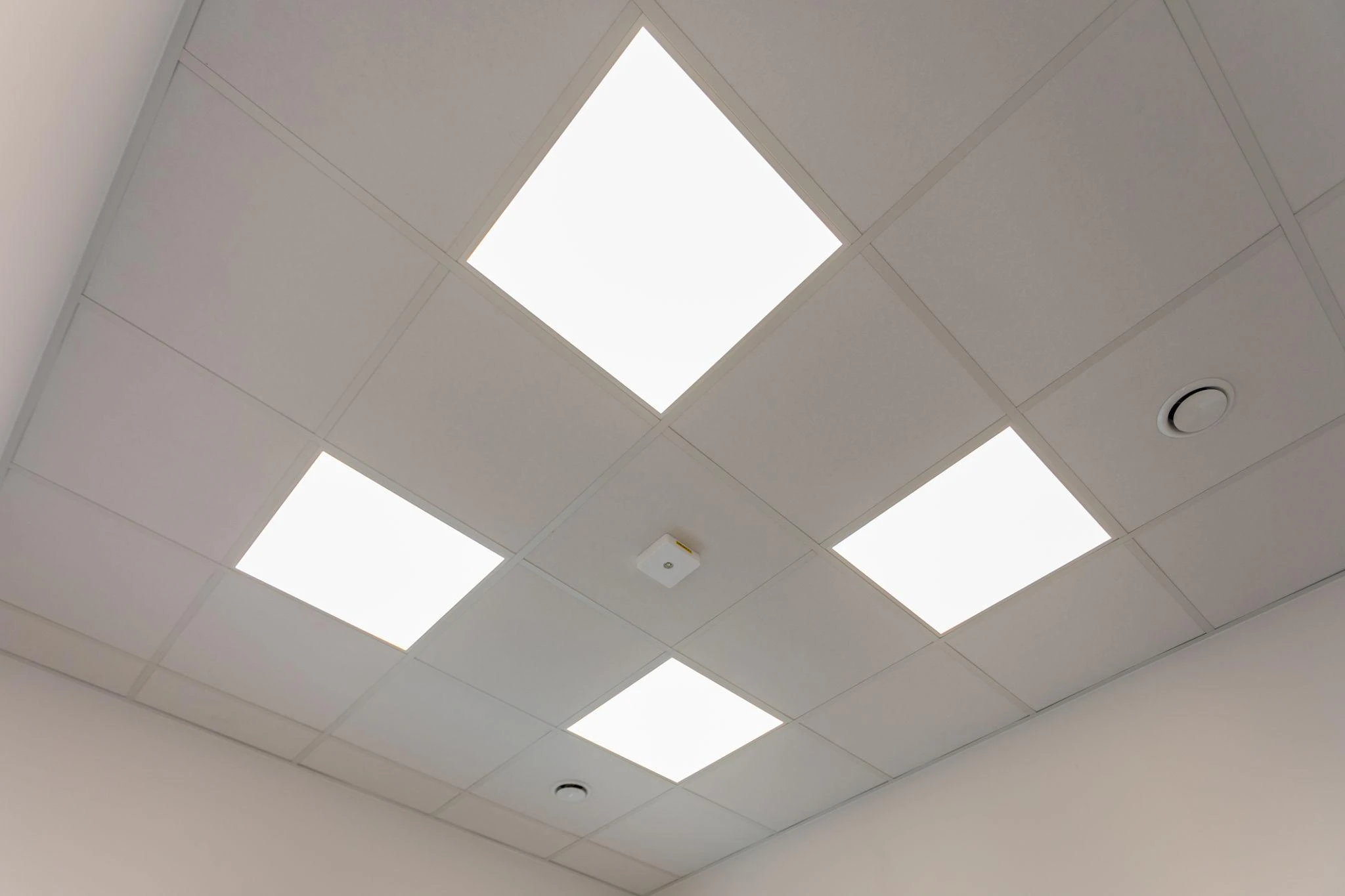
LED Panel Lights
Flat, even lighting for offices and commercial spaces.
- Clean appearance
- No flicker
- Excellent light distribution
These are ideal replacements for fluorescent ceiling troffers.
LED Shop Lights
Perfect for garages, workshops, and utility areas.
- High brightness
- Durable construction
- Simple installation
Integrated LED Fixtures
All-in-one units with no replaceable bulbs.
- Sleek design
- Fewer failure points
- Best for long-term upgrades
Pros and Cons of LED Lighting
No lighting solution is perfect. Here’s the honest breakdown.
| Feature | LED Lighting |
| Energy efficiency | Excellent |
| Lifespan | 30,000–100,000 hours |
| Light quality | High, consistent |
| Upfront cost | Higher than fluorescent |
| Maintenance | Very low |
The upfront cost often scares people away. That hesitation fades once energy savings and reduced maintenance are factored in.
Incandescent and Halogen: Why They Rarely Make Sense Now
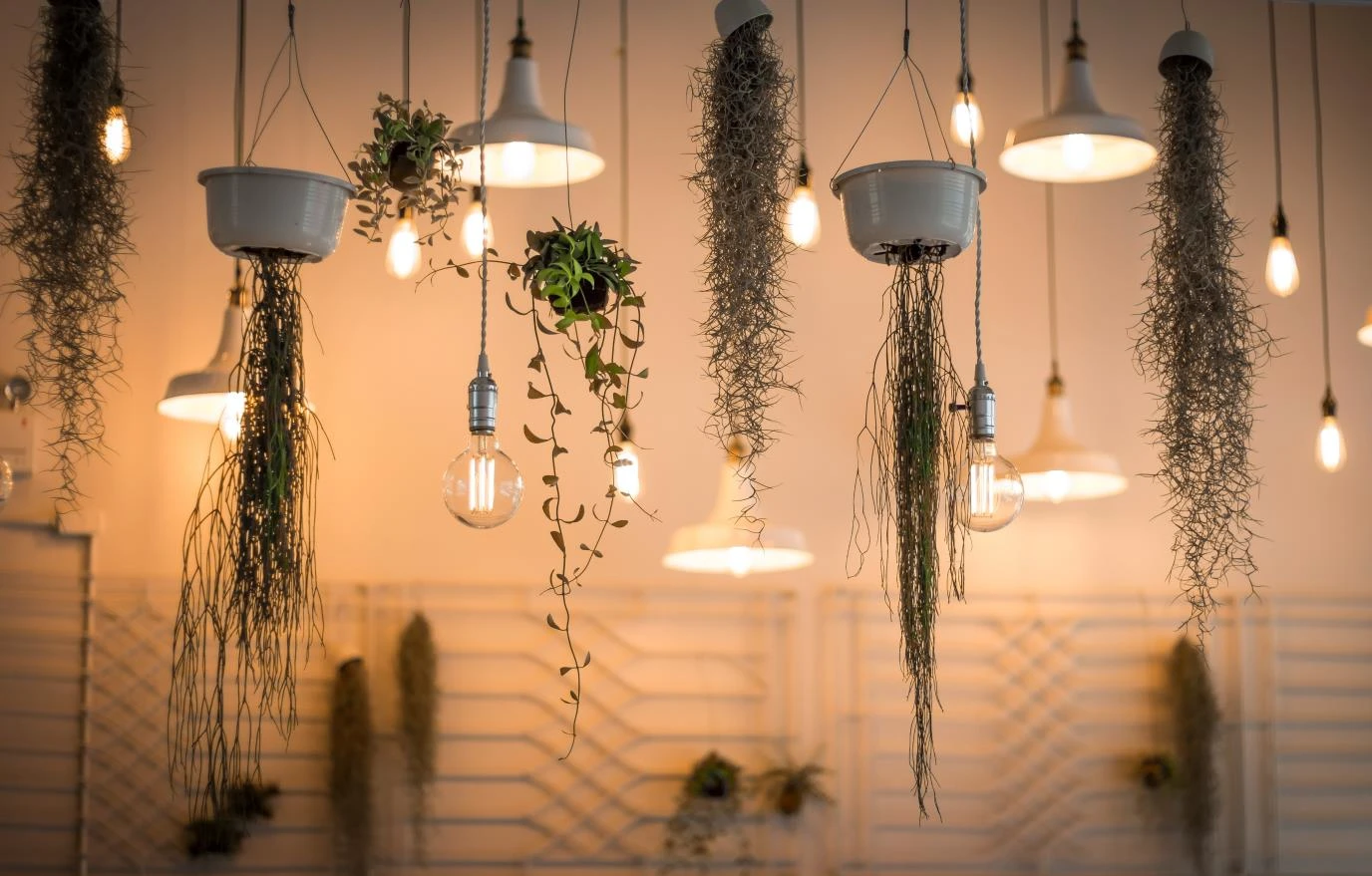
Some people still prefer the “feel” of incandescent light. That’s understandable. The warmth and color quality are appealing.
But as fluorescent light alternatives, incandescent and halogen bulbs struggle.
- Extremely inefficient
- Short lifespan
- Increasingly restricted by regulations
Halogen bulbs improved efficiency slightly, but they still consume far more power than LED options. Today, they make sense only in niche decorative applications.
CFLs: A Short-Lived Transition Option
Compact fluorescent lamps (CFLs) were once promoted as the solution to inefficient lighting. In reality, they were just a stepping stone.
Why CFLs Are Fading Out
- Still contain mercury
- Slow warm-up times
- Inferior color quality compared to LEDs
- Shorter lifespan than modern alternatives
As fluorescent light alternatives, CFLs no longer justify their place. LEDs do everything better.
Smart Lighting as a Fluorescent Replacement
Lighting no longer has to be static. Smart lighting systems bring flexibility that fluorescent setups simply cannot match.
What Smart LED Lighting Offers
- Dimming without flicker
- Adjustable color temperature
- Scheduling and automation
- Occupancy sensing
In offices and commercial buildings, this can translate into real savings. Lights turn off when rooms are empty. Brightness adjusts based on time of day.
That’s something fluorescents could never do well.
Natural Light and Hybrid Solutions
Artificial lighting doesn’t always need to work alone.
Natural daylight, when used correctly, reduces reliance on overhead lighting and improves comfort.
Effective Daylighting Strategies
- Skylights in low-traffic zones
- Solar tubes in hallways and bathrooms
- Light shelves to reflect daylight deeper into rooms
Pairing natural light with LED fluorescent light alternatives creates balanced, energy-efficient environments.
Best Fluorescent Light Alternatives by Space
Different spaces demand different solutions. One-size-fits-all lighting rarely works.
Offices and Commercial Spaces
- LED panel lights
- Neutral color temperatures
- High CRI for accurate color perception
Garages, Warehouses, and Workshops
- LED shop lights
- High-output fixtures
- Wide beam angles
Kitchens and Bathrooms
- Recessed LED lighting
- Under-cabinet LED strips
- Moisture-rated fixtures
Schools and Healthcare Settings
- Flicker-free LED systems
- Soft but bright illumination
- Consistent color temperature across rooms
Cost Comparison: Fluorescent vs Modern Alternatives
Upfront pricing doesn’t tell the whole story. Long-term cost is where fluorescent light alternatives shine.
| Lighting Type | Average Lifespan | Energy Use | Maintenance |
| Fluorescent | 10,000–20,000 hrs | Moderate | Frequent |
| LED | 30,000–100,000 hrs | Low | Minimal |
Over time, LEDs almost always cost less—even if the initial purchase price is higher.
Environmental Impact of Fluorescent Light Alternatives
Sustainability isn’t just a buzzword here. It’s a practical concern.
Fluorescent lighting creates disposal challenges due to mercury content. LEDs eliminate that issue entirely.
Environmental advantages include:
- Lower carbon emissions
- Reduced landfill waste
- Improved recyclability
For businesses with sustainability goals, switching lighting is one of the fastest wins available.
Common Mistakes When Switching from Fluorescent Lighting
I’ve seen lighting upgrades fail for avoidable reasons.
Avoid These Errors
- Choosing color temperature without testing
- Ignoring ballast compatibility
- Overlighting small spaces
- Buying the cheapest option available
Lighting affects how a space feels every single day. Cutting corners here rarely pays off.
How to Transition from Fluorescent to Modern Lighting
A thoughtful approach makes all the difference.
Step-by-Step Transition
- Audit existing fixtures and usage
- Identify compatible fluorescent light alternatives
- Decide between retrofit or full replacement
- Test lighting in one area before full rollout
- Scale the upgrade in phases if needed
For large buildings, phased upgrades reduce disruption and spread costs over time.
FAQs About Fluorescent Light Alternatives
In most cases, yes—especially for efficiency, lifespan, and comfort.
Some can, but ballast compatibility matters. Always verify before installation.
High-quality LEDs are flicker-free when properly installed.
Yes, in many regions due to efficiency and environmental regulations.
Quality LEDs can last several times longer than fluorescent tubes.
Final Thoughts
Fluorescent lighting served its purpose, but that era is ending. Modern fluorescent light alternatives deliver better light, lower operating costs, and a noticeably improved experience for anyone using the space.
Once people switch, they rarely go back. The light feels better. The rooms feel calmer. Maintenance drops. Energy bills shrink.
That’s not hype. That’s progress.
If you’re planning an upgrade, focus on light quality first and efficiency second. When those two align, the rest falls into place—and the benefits last for years.