Australian summers are getting hotter and longer, and many homes, especially older stock, were not designed for extreme heat. Efficient cooling is now a health and comfort priority, not just a luxury. Space heating and cooling account for around 40% of household energy use in Australia, so dialing in your cooling strategy delivers outsized bill savings and emissions reductions. The goal is to keep indoor spaces safe without blowing out electricity bills.
Stack quick DIY wins with passive design fixes, then choose, size, and run modern systems using Australia’s Zoned Energy Rating Label (ZERL). If you’re in Victoria, use the rebates pathway that can cut thousands from an upgrade.
Understand Who This Cooling Guide Helps Most
This guide serves anyone seeking practical, budget-conscious ways to keep homes cool. The primary audience is Victorian homeowners and renters wanting clear guidance on passive design, fans, efficient air conditioning, and accessing rebates. Secondary readers include strata managers, property managers, and DIYers who influence upgrade decisions and need compliance-aware, Victoria-specific steps.
Examples span detached brick veneer homes, weatherboard cottages, and apartments. The guide includes notes on body-corporate approvals, rental limits, and low-impact upgrades that still deliver meaningful comfort gains regardless of your living situation. Where rules limit permanent changes, focus on shading, fans, and draught sealing that can usually be reversed.
Follow A Cooling Priority Stack For Bigger Gains
The order you tackle cooling matters more than the equipment you buy. Start with passive design and shading to stop heat before it enters. Windows can drive up to 87% of summer heat gain, so external shade and glazing upgrades are foundational. Add ceiling or pedestal fans for people-centric cooling. Fans do not cool air, but can make it feel about 3°C cooler at roughly 2 cents per hour.
Set and operate air conditioning smartly. Each 1°C increase in thermostat setpoint within a 25-27°C range can cut cooling energy use by around 5-10%. Upgrade systems last. Choose efficient reverse-cycle air conditioners using the Zoned Energy Rating Label for your climate, but only after reducing loads to avoid oversizing and wasted spend. Combining fans with occasional AC can cut cooling energy use by up to 76% compared with AC alone at the same comfort level. Treat this as your checklist: block heat, move air, then cool air.
Use Simple Weekend Wins To Cut Heat Quickly
These immediate, low-cost actions reduce indoor temperatures and AC runtime within days. Close blinds or curtains by mid-morning, especially on east and west windows, to block low-angle sun before it heats rooms. Add pelmets or snugly fitted coverings to reduce convection loops behind curtains, which otherwise let hot air spill into the room.
- Set your summer thermostat between 25-27°C; raising the setpoint by 1°C typically saves 5-10% cooling energy
- Switch ceiling fans to summer mode (blades push air down) and run them while occupied
- Seal obvious drafts with door sweeps, stick-on weather seals, and caulk visible gaps
- Clean return air filters on existing ACs and dust ceiling-fan blades
- Use timers to pre-cool on forecast extreme heat days
- Close doors to unused rooms and avoid heat-generating appliances in peak afternoon hours
Take notes on which rooms still overheat after these fixes; those are your priority zones for future upgrades.
Match Cooling Strategies To Your Climate And Home Type
Cooling tactics must reflect your local humidity and temperature swings. Victoria’s temperate climate allows effective night-purge ventilation on many summer nights. Night-purge ventilation means flushing hot indoor air with cooler outdoor air once outside temperatures fall. Midday shading on east and west facades helps blunt the hottest hours. Evaporative cooling is less reliable during humid spells common in coastal areas.
Victoria at a Glance
Melbourne often sees cool nights after hot days, which is ideal for night-purge ventilation when outdoor temperatures drop below indoor levels. North-facing facades benefit from fixed eaves sized for summer sun angles, while east and west facades need adjustable external shading. Regional Victoria varies. Inland locales suit evaporative cooling when humidity is low, while coastal areas perform better with refrigerated AC. Check recent summer humidity patterns in your area before committing to large evaporative systems.
Building Typologies
Brick veneer homes store heat in thermal mass, so prioritise external window shading and night-purge ventilation. Insulate ceilings to at least R3.5 and consider wall insulation during renovations. Weatherboard cottages heat and cool quickly. Seal drafts aggressively and add insulation wherever you can access cavities. Apartments typically need internal blinds with pelmets, reflective films with approval, and compact split systems with quiet outdoor units on balconies.
Choose The Right Cooling Technology For Each Room
Choose the lowest-energy option that meets comfort requirements in each space. Portable air conditioners are a last resort. They are less effective and efficient than installed units, often have zero-star energy ratings, and require window exhausts. Ducted evaporative systems can use less than half the electricity of comparable refrigerated AC. Their effectiveness drops during humid weather and they can use up to 25 litres of water per hour. Factor in local water costs and any use restrictions when assessing whole-of-life running costs.
Ceiling and Pedestal Fans
Fans are the best first step for bedrooms and living areas. They allow a 2-3°C higher AC setpoint with similar perceived comfort. Look for efficient DC motors, multiple speeds, a reversible direction switch, and timer functions. Ensure proper blade size and clearance for the room, and check noise ratings if you are sensitive to sound.
Reverse-Cycle Split Systems
These offer excellent efficiency for both cooling and heating, with inverter compressors typically delivering three to six units of heat movement per unit of electricity. Use single-room heads for targeted spaces and prefer models with high star ratings and low annual kWh for your climate zone. If you have existing gas heating, a high-efficiency split can also replace or supplement it over time.
Multi-Split and Ducted Systems
Multi-splits serve 2-4 rooms from one outdoor unit, which suits apartments or tight lots with limited outdoor space. Ducted reverse-cycle systems work well for whole homes when combined with zoning so you only run ducts to occupied areas. Insulate and seal ducts to reduce losses, and keep return-air filters accessible for regular cleaning.
Use Ceiling Fans To Cool People, Not Rooms
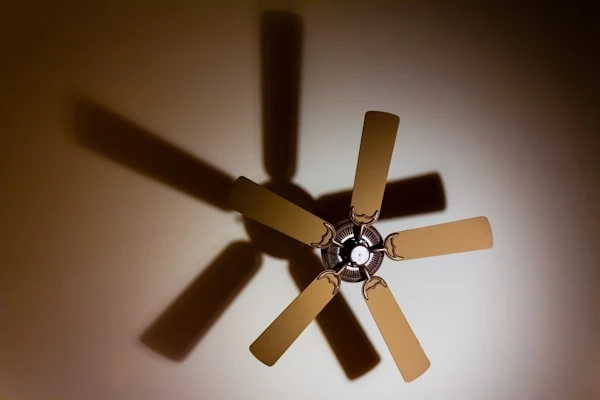
Fans cool people, not rooms. They boost sweat evaporation and convective (air movement) heat loss from skin. Running a fan with AC lets you raise the thermostat 2-3°C while maintaining comfort, saving around 10-30% in cooling energy. Use DC-motor fans for lower watt draw, finer speed control, and better low-speed performance.
Sizing and Placement
Small rooms under 3 x 3 metres need approximately 107-122 cm diameter blades. Larger rooms over 4 x 4 metres require 132-142 cm or multiple fans. Mount fan blades 2.1-2.7 metres above the floor, using a downrod if needed, and keep blades at least 60 cm from walls for clean airflow. Check ceiling joist positions before purchase so bracket and wiring locations are practical.
Use The Zoned Energy Rating Label To Pick Efficient Systems
The Zoned Energy Rating Label shows seasonal efficiency for hot, average, and cold climate zones, along with annual cooling kWh, capacity, and noise levels. Use it to compare like-for-like models by focusing on stars for your zone and the annual cooling kWh figure to estimate bills at your tariff. To estimate annual running cost, multiply the annual cooling kWh by your electricity tariff in dollars per kWh.
- Identify your climate row based on location; Melbourne is typically classified as ‘cold’ for heating and ‘average’ for cooling
- Compare star ratings within your zone and shortlist models with lower annual cooling kWh
- Check indoor and outdoor noise levels in dB(A) and prefer quieter options for bedrooms
- Prefer R32 refrigerant for lower global warming potential
Size Cooling Systems Correctly To Avoid Comfort Problems
Correct sizing prevents short cycling from oversizing or inadequate cooling from undersizing. As a rough guide, up to 20 square metres needs 2-2.5 kW, 20-40 square metres needs 2.5-5 kW, and 40-60 square metres needs 4-6 kW. These figures depend strongly on insulation quality, glazing, and orientation. High ceilings, large west-facing windows, and uninsulated roofs all push you toward the upper end of the range.
Oversized systems cause quick on-off cycling, poor dehumidification, and temperature swings. Undersized systems run continuously and never reach setpoint on hot days. Use a room-by-room load method or reputable calculator that factors climate, R-values, glazing area, and orientation. Most installers will perform a sizing assessment, so ask to see the inputs they used.
Block Heat At The Windows Before It Enters
Windows represent your dominant heat-gain pathway. Up to 87% of summer heat gain can enter through glass in poorly shaded homes. Prioritise external shading on east and west facades using awnings, external blinds, or shutters. Use fixed eaves for north-facing windows and layered internal treatments with pelmets as backup.
Add low-solar-heat-gain-coefficient films to existing glass as a lower-cost interim step. Upgrade to low-e double glazing and thermally broken frames over time for maximum performance. Film is especially useful for renters, if approved, because it is less disruptive than replacing windows.
Target Insulation Levels That Deliver Noticeable Payback
For Victoria, aim for at least R3.5 ceiling insulation with higher values in alpine areas, walls around R2.5, and floors about R2.0. Insulate ceilings first for the best cost-to-benefit ratio, then address walls and floors during renovations. Blown-in or retrofit batts can sometimes be added from the roof space without major demolition.
Maintain safe clearances around downlights and exhaust fans. Avoid compressing batts, which reduces R-value. Ensure roof space ventilation to control summer roof-cavity heat buildup. Use covers or converted LED fittings where required to maintain fire safety while keeping insulation continuous.
Leverage Victorian Rebates And Rules To Reduce Costs
The Victorian Energy Upgrades program can dramatically reduce your upfront costs. Households can receive up to $1,610 off when replacing a gas heater with a non-ducted reverse-cycle AC, or up to $5,530 when replacing a ducted gas heater, with typical annual bill savings up to $460 and $1,410 respectively. Actual discounts and savings depend on your home, energy retailer, and chosen system size.
For many Victorian households considering a split-system upgrade, it helps to have a single, plain-English summary of how the scheme works from quote to installation.
Look for an up-to-date, independent guide that clearly explains eligibility rules, typical co‑payments, required forms, installer obligations, and how to claim and maximise your government-backed rebate on air conditioners from government without surprises on installation day.
From 1 February 2025, the program requires a minimum 5-year product warranty for residential reverse-cycle air conditioners and sets minimum co-payments for installations. Victoria is also introducing rental standards requiring efficient electric reverse-cycle heating replacements from 1 March 2027 and efficient electric cooling in living areas of all rental properties by 1 July 2030. Landlords should plan upgrades early to avoid a last-minute rush on installers.
Claim Your Discount Now
Before signing anything, review a one-page explainer that summarises eligibility, co-payments, and the paperwork you will see during a split-system install. Request an itemised quote so you know your out-of-pocket costs, find an Accredited Provider, and confirm the proposed product is eligible under the program for your dwelling type and climate.
Plan Ahead For Heatwaves To Keep Homes Safer
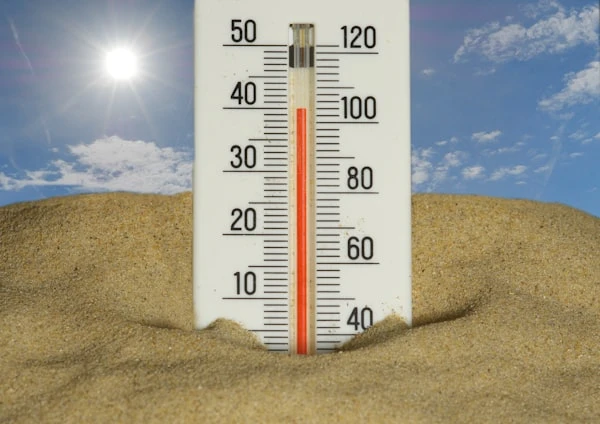
Close up early on extreme-heat days with external shading down, windows shut, and internal doors arranged to protect the coolest core rooms. Pre-cool in the morning if needed, then maintain comfort with fans, higher AC setpoints, light clothing, and a strict ban on heat-producing appliances in the afternoon.
Use AC decisively when temperatures or humidity climb beyond safe levels, and check on vulnerable neighbours or housemates. If indoor temperatures stay above 30°C late at night, spend time in a designated community cool space or other safer location.
Use A Cooling Shopping Checklist To Avoid Regrets
Verify key points at purchase to avoid regret and ensure good installation outcomes. Match capacity to the room load, choose high star ratings for your climate zone, and favour quiet indoor and outdoor noise levels for bedrooms. Check that outdoor unit placement allows clear airflow and does not blow hot exhaust onto neighbours or your own living spaces.
Combine Passive Design And Efficient Systems For Lasting Comfort
Reduce heat gains first, move air over people, then add right-sized efficient systems so your home stays comfortable, affordable to run, and ready for hotter summers.
FAQs
Start with passive measures like external shading and insulation, then add ceiling fans before investing in air conditioning to reduce overall cooling load.
No, fans cool people by increasing evaporation and airflow, making it feel 2–3°C cooler without changing the air temperature.
Set your air conditioner between 25–27°C; increasing the setpoint by 1°C can reduce cooling energy use by 5–10%.
Evaporative cooling works best in dry inland areas but becomes less effective during humid coastal conditions.
Sizing depends on room size, insulation, glazing, and orientation; as a guide, 20–40 m² typically requires 2.5–5 kW capacity.
ZERL shows seasonal efficiency, annual cooling kWh, noise levels, and performance across Australian climate zones to help compare systems accurately.
Generally no; they are less efficient than installed split systems and often have very low or zero-star ratings.
Eligible households may receive thousands off reverse-cycle air conditioners under the Victorian Energy Upgrades program, depending on system type and home conditions.
Yes, proper ceiling and wall insulation reduces heat transfer, lowers indoor temperatures, and decreases AC runtime.
Block heat at windows, seal drafts, improve insulation, and assess room-by-room loads to avoid oversizing and unnecessary energy use.