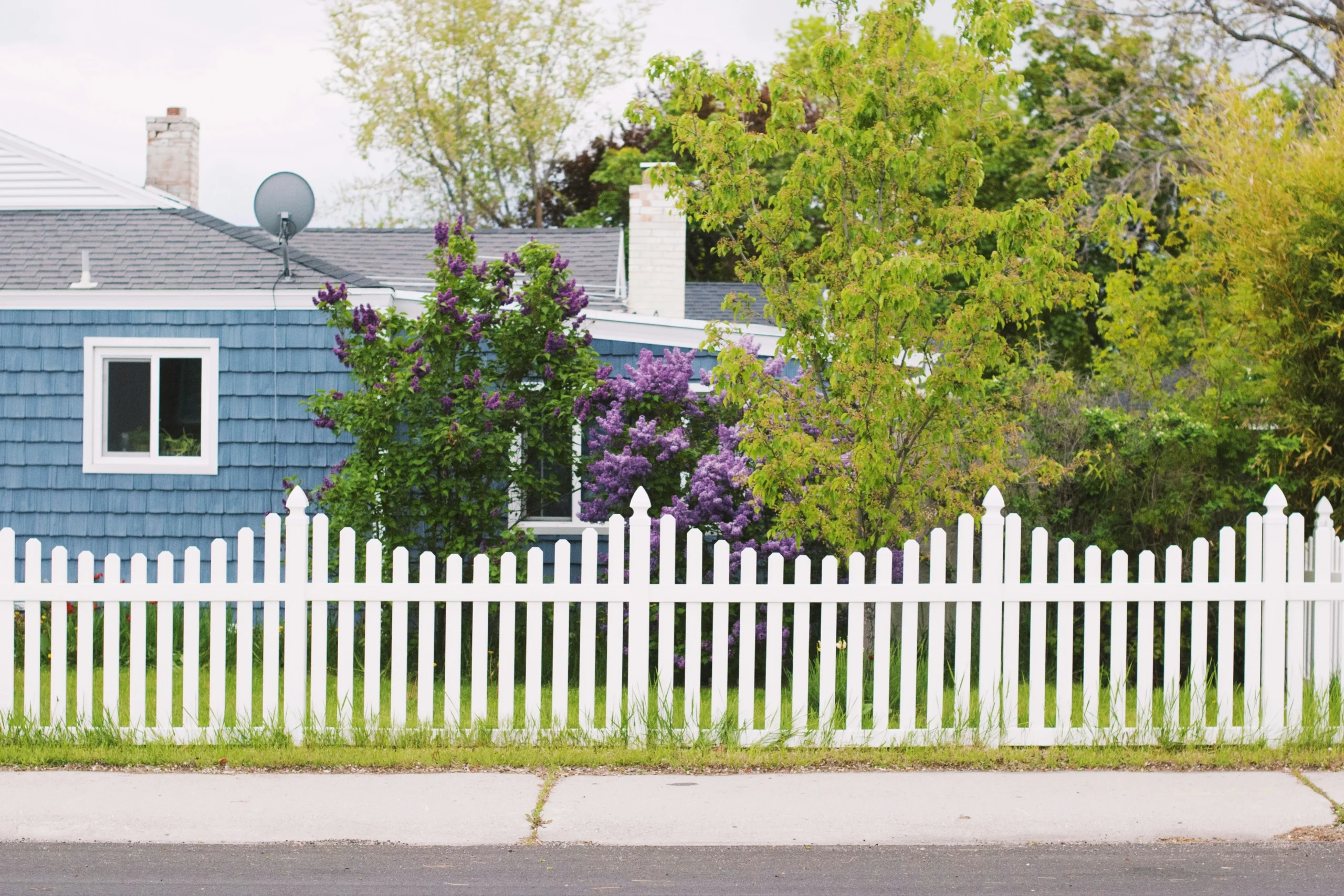
Residential fences are more than boundary markers. They are structural elements that contribute to security, privacy, and property value. While many homeowners focus on appearance, the true lifespan of a fence is largely determined by construction-related decisions made long before the first panel is installed. From material selection to installation methods, each step plays a critical role in how well a fence performs over time.
In coastal and subtropical regions, fence construction must account for environmental demands that place added stress on materials and structural components. In Sarasota, residential properties commonly use wood privacy fences, vinyl fencing, and aluminum enclosures, each presenting different construction challenges related to moisture exposure, sun intensity, and wind loads. When these factors are overlooked, even well-designed fences can experience premature wear, structural instability, or reduced service life. This makes informed construction practices and experienced installation support essential for long-term performance.
1. Choice of Construction Materials
Material selection is one of the most critical factors influencing fence longevity. Common residential fencing materials include wood, vinyl, aluminum, and composite, each with distinct structural and environmental characteristics. Wood fences, for example, offer a traditional appearance but are more vulnerable to moisture, insects, and rot if not properly treated. Vinyl fencing resists moisture and pests but requires proper installation to prevent warping or cracking over time.
Metal options, such as aluminum, offer durability and corrosion resistance, particularly when protective coatings are applied. Composite materials combine durability with low maintenance, but may have higher upfront costs. Selecting materials that align with the surrounding environment, soil conditions, and expected wear helps ensure long-term structural performance.
2. Quality of Fence Installation and Workmanship
Even the best materials can fail prematurely if installation quality is compromised. Proper workmanship ensures that fence components are aligned correctly, loads are evenly distributed, and structural elements are secured according to construction standards. This includes accurate measurements, consistent spacing, and attention to detail throughout the installation process.
Homeowners planning fence construction often seek guidance from a reliable fence installation company in Sarasota or similar regions where climate and soil conditions require specialized knowledge. Experienced installers understand how to adapt construction techniques to local factors, reducing the risk of early damage or instability. Skilled workmanship is less about speed and more about precision, which directly contributes to fence longevity.
3. Soil Conditions and Ground Preparation
Soil conditions play a major role in a fence’s stability and lifespan. Loose, sandy soil can shift over time, while clay-heavy soil may retain moisture and expand, placing pressure on fence posts. Without proper ground preparation, these conditions can cause posts to loosen or tilt.
Effective site preparation includes evaluating soil composition, ensuring proper compaction, and addressing drainage concerns. Preparing the ground correctly helps create a stable foundation that supports the fence structure over the long term.
4. Climate and Environmental Exposure
Environmental factors such as rain, humidity, wind, and prolonged sun exposure can significantly impact fence durability. Moisture accelerates wood rot and metal corrosion, while intense sunlight can weaken certain materials over time. High winds also place additional stress on fence panels and posts.
Construction techniques that allow for airflow, material expansion, and secure anchoring help mitigate environmental stress. Fences designed with local climate conditions in mind are more likely to maintain their structural integrity for years.
5. Post Depth, Footings, and Structural Support
Fence posts serve as the foundation of the entire structure, making proper post installation essential. Posts that are set too shallow or lack adequate footings are more likely to shift, lean, or fail under stress. Standard construction practices typically require posts to be buried below the frost line or to a depth appropriate for soil stability and wind loads.
Concrete footings commonly anchor posts securely, but builders must address drainage considerations to prevent water retention. When installers set posts correctly, they provide the structural support needed to maintain fence alignment and integrity for many years.
6. Fasteners, Hardware, and Assembly Methods
The quality of fasteners and hardware used during construction often determines how well a fence holds together over time. Exterior-grade screws, galvanized nails, and corrosion-resistant brackets reduce the risk of joint failure and material separation, particularly in environments where moisture and temperature changes place added stress on connections.
Proper assembly methods, including correct spacing and secure connections, help evenly distribute loads across the structure and prevent premature strain on individual components. While higher-quality hardware may increase initial fence installation cost, it often reduces the likelihood of early repairs, replacements, or structural failures. Poor fastening choices, on the other hand, can lead to sagging panels, loose connections, and accelerated wear, ultimately resulting in higher long-term costs.
7. Maintenance Planning During Construction
Longevity is also influenced by how well a fence is designed for future maintenance. Construction decisions such as material finishes, panel spacing, and access points affect how easily a fence can be cleaned, sealed, or repaired.
Planning maintenance during construction helps reduce long-term maintenance costs and extends the fence’s usable life. Preventive design choices often prove more effective than reactive repairs.
The lifespan of a residential fence is shaped by multiple construction-related factors working together. From soil preparation and climate considerations to fastening methods and maintenance planning, each decision contributes to long-term durability. By understanding these influences, homeowners can approach fence construction as a lasting structural investment rather than a short-term installation.
FAQs
Material selection and proper installation work together to determine how well a fence performs over time.
Vinyl, aluminum, and properly treated composite materials typically perform better in high-moisture environments.
Poor workmanship can lead to misalignment, uneven load distribution, and early structural failure, regardless of material quality.
Unstable or moisture-retaining soil can cause posts to shift or lean if not properly prepared and compacted.
Yes, prolonged sun exposure, high humidity, heavy rain, and strong winds can accelerate wear without climate-appropriate construction methods.
Posts set too shallow are more likely to move or fail under wind loads and soil expansion.
High-quality, corrosion-resistant fasteners help prevent loose connections, sagging panels, and premature structural issues.
Concrete footings are commonly used for stability, but proper drainage is essential to avoid water-related damage.
Design choices like material finishes and panel spacing can make cleaning, sealing, and repairs easier over time.
Both matter equally, as even durable materials can fail early if installation and site preparation are poorly executed.