Energy efficiency plays a major role in controlling heating and cooling bills throughout the year. Many homes lose comfort and money due to small habits or overlooked issues that gradually increase energy use. By making thoughtful adjustments and maintaining systems properly, it is possible to create a comfortable indoor environment without unnecessary energy waste.
The focus is not on major renovations or complex changes but on practical actions that support steady savings and long-term comfort. For homeowners in Northbrook, IL, understanding how energy efficiency works can make a noticeable difference during both warm and cold seasons.
Understanding How HVAC Systems Affect Energy Use
HVAC systems play a central role in maintaining indoor comfort, especially during periods of heavy heating or cooling demand. When these systems are forced to compensate for poor airflow, uneven temperatures, or delayed attention, they tend to run longer than necessary. This increased workload leads to higher energy use even when comfort levels appear unchanged.
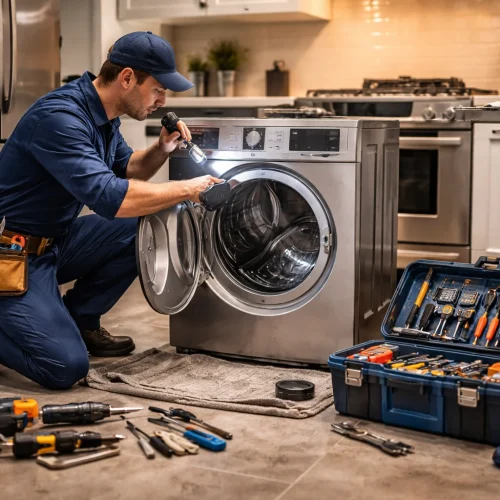
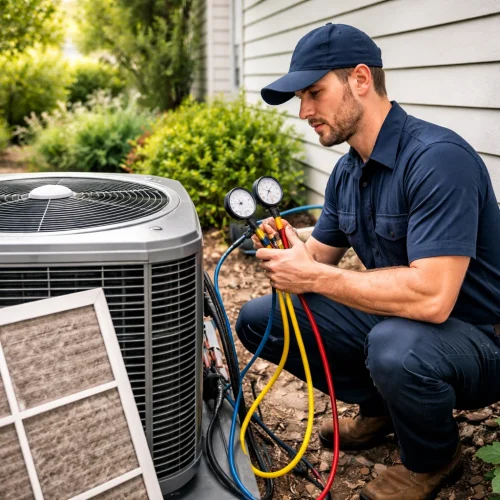
Many homeowners only become aware of these issues when performance noticeably drops, yet small mechanical concerns often develop quietly over time. Early HVAC repair in Northbrook, IL, performed by professionals can prevent inefficiencies and keep the system operating without unnecessary stress. Addressing such concerns at the right stage helps maintain steady comfort while supporting better energy efficiency.
Improve Insulation and Seal Air Leaks
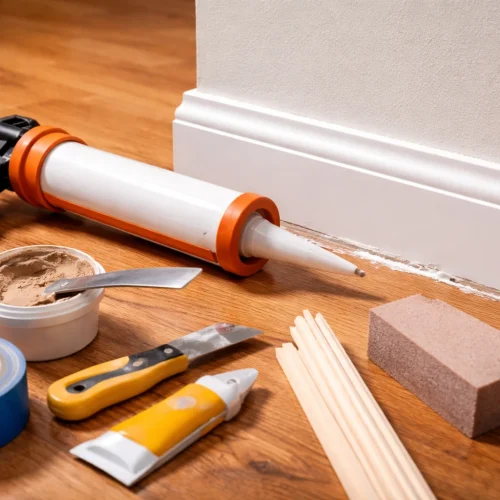
One of the most effective ways to lower heating and cooling bills is to keep conditioned air inside the home. Gaps around doors, windows, and other openings allow air to escape, forcing systems to work harder. Sealing these openings creates a more stable indoor environment and reduces energy loss. Insulation in walls and ceilings also plays a key role. When insulation is adequate, indoor temperatures remain steady for longer periods, reducing the need for frequent system cycles.
Use Thermostats Wisely
Thermostat habits have a direct impact on energy use. Setting the temperature slightly lower during colder months and slightly higher during warmer months can reduce unnecessary system operation. It is also helpful to adjust settings when the home is unoccupied or during sleeping hours. Small changes in daily routines can lead to noticeable improvements over time. The goal is to maintain comfort while avoiding constant adjustments that push systems to run continuously.
Keeping the thermostat at a steady setting helps prevent frequent system cycling. Sudden temperature changes often cause heating and cooling systems to work harder than needed. Developing consistent temperature preferences supports smoother operation throughout the day. Over time, these mindful adjustments help create a more balanced and energy-efficient home environment.
Maintain Consistent Airflow Throughout the Home
Balanced airflow helps heating and cooling systems perform efficiently. Blocked vents, closed registers, or cluttered areas near air pathways can disrupt circulation. When airflow is restricted, systems struggle to distribute air evenly, leading to hot or cold spots. Ensuring that vents remain clear and unobstructed allows air to move freely and supports even temperature control in every room.
Furniture placement should allow air to circulate without resistance. Interior doors can also affect airflow when left closed for long periods. Keeping air pathways open helps maintain consistent comfort across living spaces. Proper airflow reduces unnecessary strain on the system and supports efficient operation.
Schedule Regular System Maintenance
Routine maintenance helps identify minor issues before they become major problems. Clean components, proper calibration, and timely adjustments allow systems to operate as intended. Regular checkups also ensure that parts are not worn or damaged in ways that increase energy use. Maintenance is not just about preventing breakdowns but also about preserving efficiency over time. A well-maintained system delivers comfort without unnecessary effort.
Consistent care helps systems respond better to changing seasonal demands. Well-maintained equipment operates more quietly and evenly. Regular attention also supports steady airflow and accurate temperature control. Over time, maintenance becomes a key part of keeping energy use under control. Proper upkeep also helps extend system performance across every season. Reliable operation reduces unnecessary energy strain. Routine maintenance supports long-term indoor comfort.
Pay Attention to Windows and Natural Light
Windows influence indoor temperatures more than many people realize. During colder months, allowing natural light to enter can provide gentle warmth. In warmer months, managing sunlight with curtains or blinds helps prevent excess heat. The way windows are used throughout the day can support heating and cooling systems by reducing their workload. Simple awareness of sunlight patterns can contribute to better energy balance.
Opening windows during mild weather can help regulate indoor comfort naturally. Closing them tightly during extreme temperatures prevents unwanted air exchange. Window use should align with daily temperature changes for best results. Thoughtful window habits help maintain consistent indoor conditions.
Adjust Daily Habits That Affect Indoor Temperature
Everyday activities such as cooking, showering, or using electronics add heat to the home. Being mindful of these factors can help manage indoor comfort naturally. For example, using exhaust fans when needed prevents excess heat from lingering. Opening windows during mild weather allows fresh air to circulate without relying on mechanical systems. These small habits support energy efficiency without requiring major changes.
Limiting heat-generating activities during the warmest parts of the day can improve comfort. Using fans strategically helps move air without overworking the system. Turning off unused electronics reduces unnecessary heat buildup. Simple daily awareness helps maintain a balanced indoor environment.
Create a Long-Term Energy Mindset
Lowering heating and cooling bills is not about a single action but about consistent choices over time. When homeowners pay attention to how their homes respond to seasonal changes, they can make adjustments that support efficiency year after year. Energy-conscious habits combined with proper care create a home that feels comfortable without excess effort. Over time, these practices become second nature and contribute to a balanced and efficient living environment that supports both comfort and responsible energy use.
Staying mindful of energy use encourages better daily decisions. Small improvements made gradually can lead to lasting results. Consistency helps maintain comfort without constant system adjustments. A long-term mindset supports efficiency through every season.
FAQs
Energy efficiency reduces wasted energy, which helps HVAC systems run less often and use less power to maintain comfort.
Poor airflow, delayed maintenance, and minor mechanical issues force the system to work longer and consume more energy.
Air leaks allow conditioned air to escape, which makes heating and cooling systems run harder to maintain indoor temperatures.
Good insulation helps keep indoor temperatures stable, reducing how often heating and cooling systems cycle on and off.
Keeping steady temperature settings and adjusting them slightly during sleep or when away reduces unnecessary system operation.
Yes, blocked or closed vents restrict airflow and cause uneven temperatures, which increases system workload and energy use.
Regular seasonal maintenance helps systems run smoothly and prevents small issues from increasing energy consumption.
Windows affect heat gain and loss, so managing sunlight and sealing gaps helps reduce strain on heating and cooling systems.
Cooking, electronics, and hot showers add heat, which can increase cooling demand if not managed properly.
Energy efficiency works best with consistent habits that support comfort and reduce energy use throughout the year.