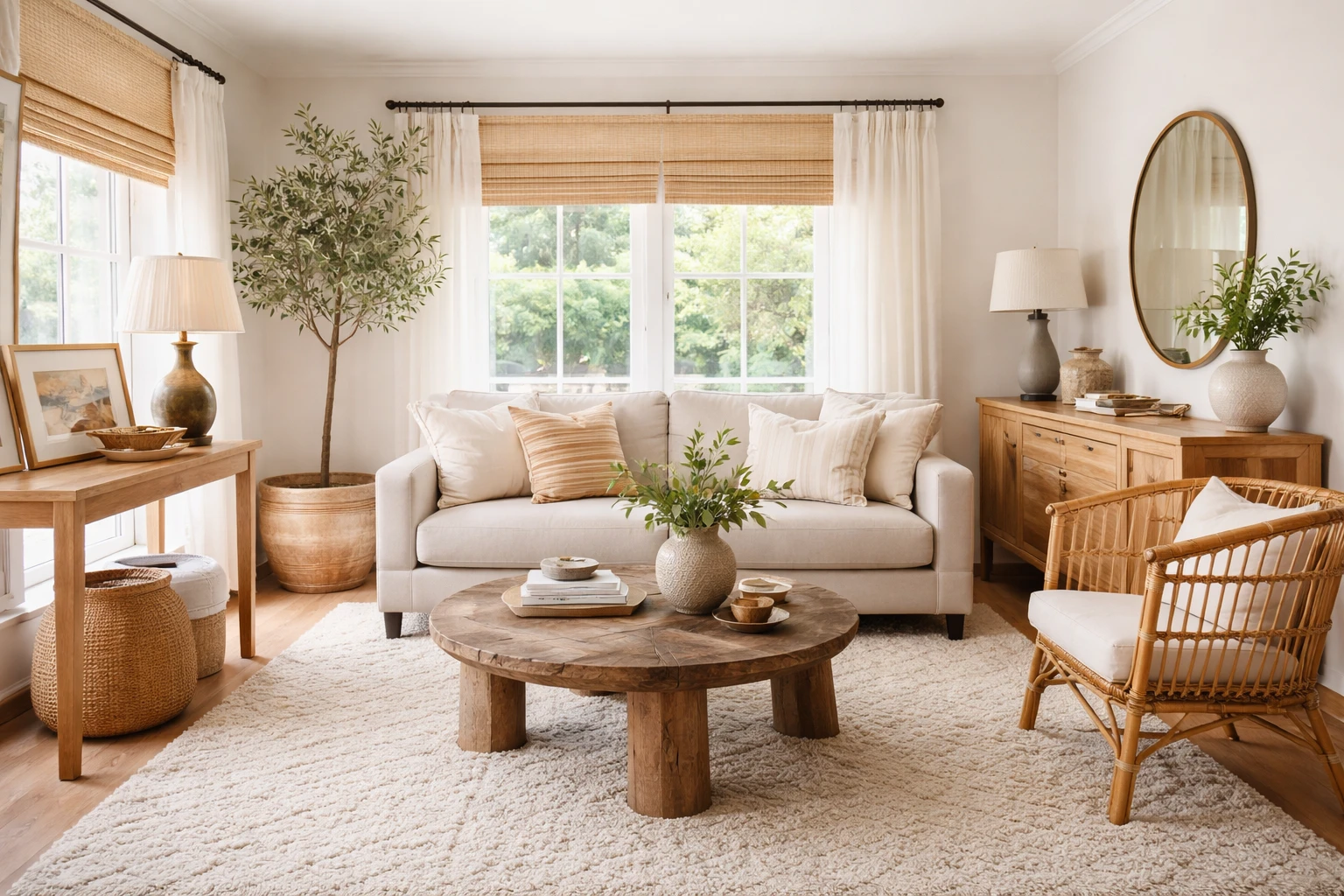
Creating a home that feels curated and personal does not require an unlimited budget. In fact, some of the most interesting spaces are those that master the “high-low” mix. This design philosophy is all about balance. It involves pairing affordable finds and DIY projects with a few key investment pieces that stand the test of time.
The secret lies in knowing where to save and where to splurge. In the age of instant makeovers on social media, it is easy to feel the pressure to buy everything brand new. However, the most soulful homes are often those that evolve slowly. By anchoring your room with quality staples and layering in budget-friendly character, you can achieve a sophisticated look that feels gathered rather than bought from a catalogue. Here is how to master the mix and elevate your space without breaking the bank.
Investing in the Anchors
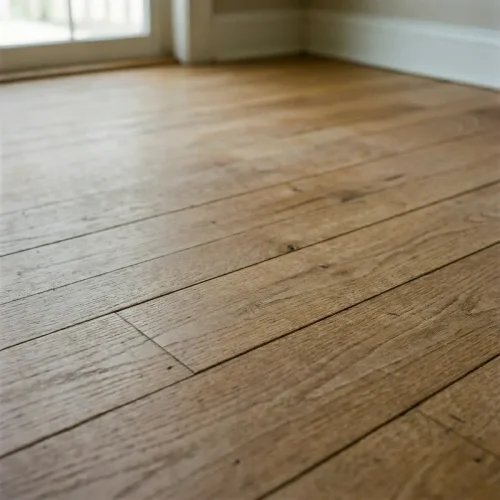
When planning a room refresh, start from the ground up. The items that take the most wear and tear are usually the ones worth investing in. Your flooring and large area rugs act as the foundation of the room. If these elements look inexpensive or wear out quickly, the entire room can feel lacklustre regardless of how beautiful your accessories are.
This is particularly true for high-traffic areas like the living room or hallway. While synthetic options are tempting for their low price tag, they often need replacing within a few years as they flatten and hold onto odours. Natural fibres, on the other hand, offer longevity and a superior feel underfoot. According to the home improvement experts, while wool rugs may have a higher upfront cost, their natural durability means they can last a lifetime, making them a much smarter long-term value than synthetic alternatives that deteriorate quickly. Wool naturally repels stains due to the lanolin in the fibres and has an inherent springiness that helps it bounce back from furniture indentations.
Finding these quality pieces does not mean paying full retail price, however. If you keep an eye out for wool rugs for sale, you can often secure high-end textiles at a more accessible price point. A quality rug not only withstands the daily tread of family life but also adds a layer of acoustic insulation and warmth that cheaper materials simply cannot replicate. Treat your rug as the canvas for the rest of your design; if the canvas is high-quality, the rest of the art will look better.
The Power of DIY and Thrifty Finds
Once you have your investment anchors in place, you can have fun with the “low” part of the equation. This is where your personality shines through. Lighting, window treatments, and wall decor are excellent categories for saving money through DIY projects or second-hand shopping.
Window treatments, for example, can be incredibly expensive if you go the custom route. However, you can achieve a designer look for a fraction of the cost with a little elbow grease. Adding natural textures to your windows is a classic way to warm up a space. As shown in this practical guide on how to hang bamboo shades, using affordable woven woods can bring instant warmth and a custom feel to a room. It eliminates the need for heavy, expensive drapery while still providing that polished, finished look.
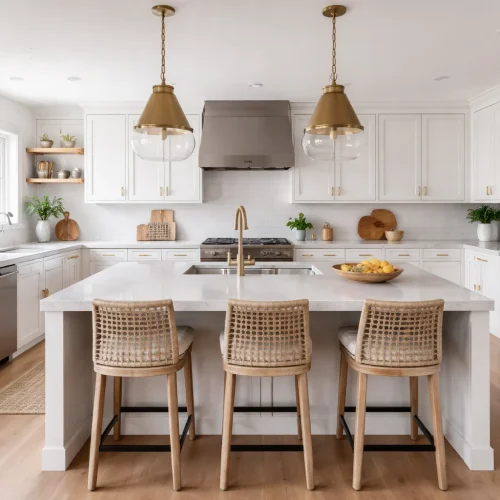
Similarly, consider hunting for vintage lamps, side tables, or mirrors at op-shops or garage sales. A quick coat of spray paint or a new lampshade can transform a five-dollar find into a statement piece. Swapping out standard builder-grade hardware on cabinets for unique vintage knobs is another high-impact, low-cost upgrade. The imperfections in vintage items add soul to a room that brand-new furniture often lacks, preventing your space from looking like a showroom.
Bridging the Gap with Texture and Tone
The challenge with mixing high and low elements is ensuring they look cohesive rather than chaotic. The bridge that connects a DIY project with an investment piece is usually colour and texture.
To make your budget finds look expensive, stick to a cohesive colour palette. A neutral backdrop allows you to mix different eras and styles more forgivingly. When your walls, curtains, and major furniture pieces share a similar tonal family, the eye moves smoothly across the room. This prevents a thrifted item from sticking out like a sore thumb.
Texture is equally important. A flat, one-dimensional room can feel sterile, no matter how much you spend on the furniture. To elevate your space, aim to include at least three different textures in every room:
- Soft and Plush: This comes from your wool rug, throw cushions, or a velvet armchair. These elements invite comfort and soften the hard lines of architecture.
- Rough and Natural: Incorporate timber, bamboo blinds, a wicker basket, or a jute runner. These grounding elements connect the interior to the outdoors.
- Sleek and Shiny: Add a touch of metal through brass hardware, a glass vase, or a mirror. This reflects light and adds a hint of glamour to the space.
By layering these textures, you create depth. A thrifted timber chair looks intentional and stylish when placed next to a high-quality wool rug because the contrast in textures highlights the best features of both.
Patience is Key to a Collected Home
Finally, remember that a truly “collected” home takes time. The high-low mix is rarely achieved in a single weekend shopping trip. It is about waiting for the right investment piece to go on sale and being willing to get your hands dirty with a DIY project when the budget is tight.
Do not rush to fill every corner. Living with some empty space is better than filling a room with clutter you do not love. Take the time to hunt for the perfect second-hand coffee table or save up for that rug that will last twenty years. The result will be a home that feels authentic, comfortable, and uniquely yours.
FAQs
The high-low approach mixes a few high-quality investment pieces with affordable or DIY items to create a stylish and balanced space. This strategy helps achieve a curated look without overspending.
Focus on items that experience the most wear, such as flooring, area rugs, sofas, and mattresses. These pieces anchor the room and benefit the most from long-lasting quality.
Yes, wool rugs are durable, naturally stain-resistant, and can last for decades with proper care. Their resilience often makes them a better long-term value than synthetic alternatives.
Thrift stores, garage sales, flea markets, and online marketplaces are great places to find budget-friendly decor items. Many pieces only need small updates like paint or new hardware.
Simple upgrades like new paint, updated hardware, or a modern lampshade can transform thrifted pieces. Keeping a cohesive color palette also helps everything feel intentional.
Updating window treatments, replacing cabinet hardware, or refinishing small furniture pieces can dramatically improve a room. These projects are inexpensive but highly noticeable.
Texture adds depth and interest to a room, preventing it from feeling flat or sterile. Mixing soft fabrics, natural materials, and reflective surfaces creates visual balance.
Stick to a consistent color palette and repeat certain materials or tones throughout the space. This helps tie together both high-end and budget pieces.
A thoughtfully designed home usually evolves over time rather than being completed all at once. Patience allows you to find meaningful pieces that truly fit your style.
Decorating gradually often leads to a more authentic and curated space. It allows you to invest in quality items while discovering unique pieces along the way.