Efficient facility design is a strategic asset that shapes how work moves through your building. A structured layout supports clear routines, consistent output, and operational stability. When your environment supports the way your teams work, it becomes a driver of productivity and long-term growth. This article explains the core elements of strong facility design and how each part contributes to a reliable and high-performing business environment.
The strategic value of an efficiently designed facility
Design choices influence how work flows from one task to the next. A space with clear paths, organized stations, and predictable layouts reduces delays and confusion. When employees move through familiar patterns each day, they complete tasks with fewer interruptions and less mental strain.
A predictable environment lowers friction. When tools, equipment, and support stations stay in defined zones, your team spends less time searching for resources or navigating congested areas. This improves daily momentum and helps maintain a steady operational rhythm.
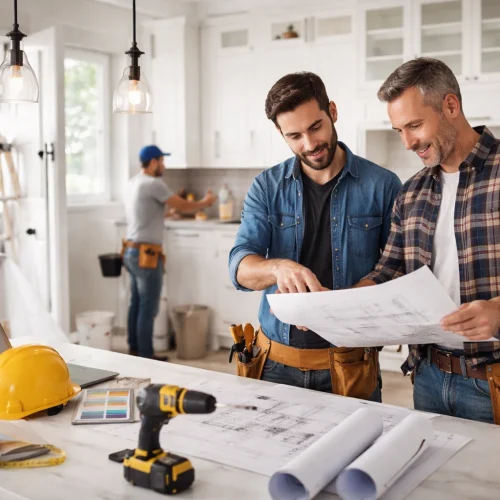
Businesses that invest in structured planning outperform those that rely on reactive layouts. Planned spaces support easier training, smoother handoffs, and faster problem resolution. Over time, this leads to higher efficiency and stronger financial results.
Creating space configurations that support daily operational flow
Movement paths influence how efficiently teams move through tasks. A layout that reduces unnecessary steps keeps workflows tight and consistent. Wide, uncluttered walkways help staff move safely and without delays. When paths remain clear, travel time between activities stays short, and productivity improves.
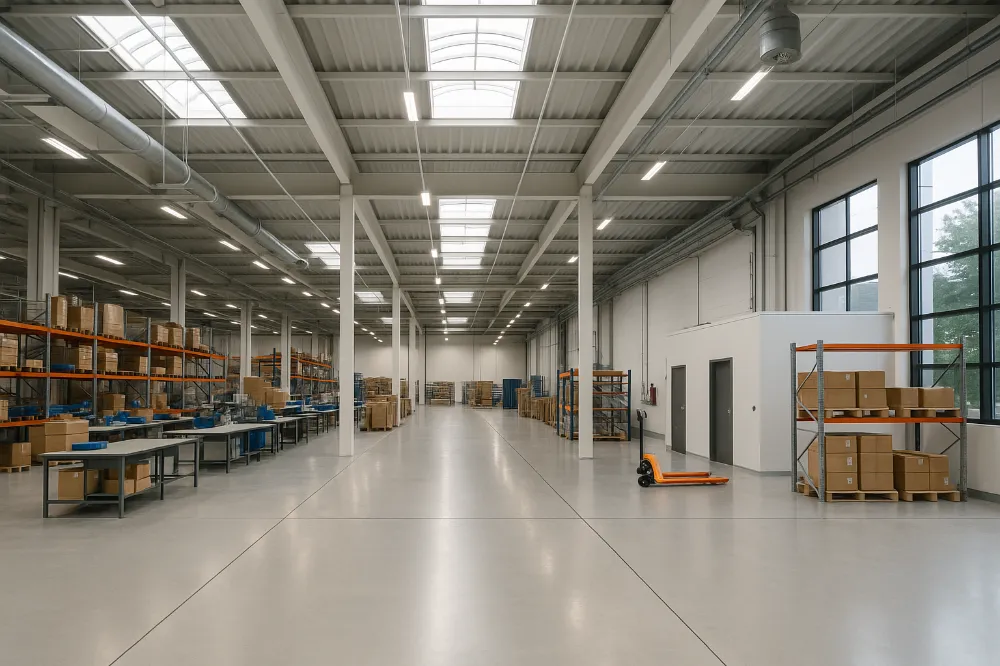
Mapping work zones around core functions strengthens the flow of operations. Placing related tasks near each other prevents bottlenecks and limits cross-traffic. This is helpful in offices, warehouses, retail sites, and service environments.
Navigation clarity supports daily function. Clear signage, visual zoning, and consistent labeling help employees and visitors move with confidence. When people understand where activities occur, they make quicker decisions and avoid common points of confusion.
Material and fixture choices that enhance operational durability
Materials influence maintenance cycles and facility lifespan. When floors, walls, and work surfaces stand up to heavy use, breakdowns become less frequent. Durable materials reduce replacement costs and limit disruptions caused by repair work.
High-quality fixtures support consistent performance. Reliable doors, lighting, cabinets, shelving, and sanitary components reduce the risk of unexpected failures. They also support hygiene, structural stability, and long-term safety.
Durable restroom components are essential in high-use environments. This includes partitions that resist wear and maintain their appearance over time. A strong option is the use of stainless steel restroom partitions within restrooms to support durability and hygiene while reducing long-term maintenance demands.
Strengthening workplace safety through smart facility design
A well-planned layout reduces common hazards. Adequate spacing supports safe movement and clear visibility. Proper placement of equipment lowers the chance of collisions or accidental injuries.
Design elements that provide structured movement lower the risk of slips, trips, and other incidents. Good lighting, consistent flooring, and organized stations help employees navigate safely.
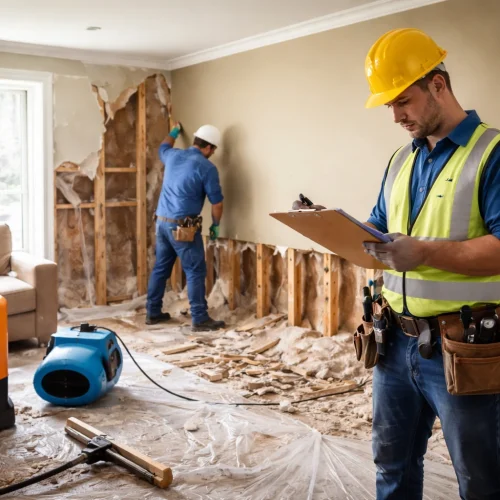
Hidden structural threats are also important to address through design choices. Moisture buildup can weaken surfaces, equipment, and support structures. Businesses protect their property by learning how to identify these issues early, supported by resources that explain how to prevent water damage in commercial and residential properties.
Enhancing employee productivity through ergonomic and supportive design
Ergonomic design helps employees stay comfortable throughout the day. Adjustable seating, proper desk height, and supportive workstation setups reduce physical strain. When employees remain comfortable, they maintain focus for longer periods.
Lighting influences concentration and using balanced natural and artificial light reduces eye strain and supports steady energy levels. Acoustic control is equally important. When noise stays within comfortable limits, employees complete tasks with fewer distractions.
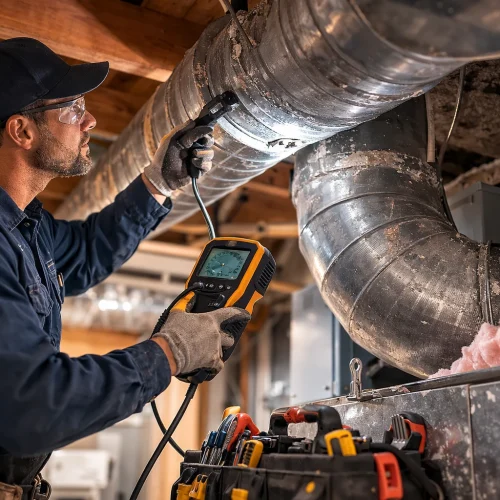
Air flow and temperature stability also shape performance. Ventilation that reduces stale air helps keep alertness high. A consistent temperature lowers fatigue and strengthens daily comfort. Combined, these factors create an environment that supports sustained productivity.
Designing facilities that improve collaboration and communication
Shared areas influence how teams interact. When meeting rooms, breakout areas, and open zones stay structured and organized, groups communicate with clarity. Clear boundaries between quiet zones and collaborative spaces prevent noise conflicts.
Flexible zones support different team functions. Movable partitions, adaptable seating, and modular furniture allow teams to adjust layouts based on project needs. This supports fast shifts between individual tasks, group discussions, and focused work.
Spaces that encourage brief, informal interactions help teams solve problems quickly. When these areas sit away from focused workstations, staff collaborate without disrupting others.
Storage, organization, and resource accessibility
Strong storage planning improves workflow execution. When items stay organized in predictable locations, employees complete tasks faster and with fewer errors.
Clutter reduction also plays a major role. A clean and organized space supports attention, reduces search time, and improves movement. This strengthens both safety and operational quality.
Resource stations work best when they align with actual usage patterns. Printers, tools, replenishment supplies, and technology hubs should sit where teams use them most. Placement based on real workflow needs shortens travel time and helps maintain steady task continuity.
How efficient facility design supports brand reputation and customer experience
The physical environment shapes customer perception. A clean, orderly, and professional space signals reliability and competence. Clients associate operational quality with the condition of the workspace.
Consistency in layout and maintenance strengthens brand credibility. When every part of the facility supports the same level of care, customers feel confident in the services offered.
A structured environment also supports faster service and fewer errors. Customers notice when processes run smoothly and staff navigate with ease. This reinforces trust and strengthens long-term loyalty.
Continuous improvement through monitoring and data-driven adjustments
Strong facility design requires ongoing evaluation. Periodic audits help identify areas that need updates, repairs, or layout adjustments.
Employee feedback provides practical insight. Staff understand how work moves through the space each day, which allows them to highlight issues that leadership may not see.
Performance data guides future improvement. Metrics such as task completion times, movement patterns, and equipment usage reveal where layout changes would deliver the greatest impact. Small adjustments over time build a stronger and more resilient facility.
Conclusion
Efficient facility design strengthens performance, improves daily workflow, and supports long-term resilience. When businesses plan their environments with intention, they reduce friction, protect assets, and create reliable structures for growth. A strategic layout helps teams perform at a high level and gives customers a strong impression of quality. Facilities that support clear routines and consistent operations become long-term assets that help businesses achieve greater success.
FAQs
Efficient facility design is the strategic organization of space, materials, and workflows to support smooth operations and business productivity.
A clear, predictable layout reduces unnecessary travel, minimizes confusion, and helps teams move through tasks more efficiently.
Durable materials require fewer repairs, lower long-term costs, and reduce downtime caused by maintenance or replacements.
Ergonomic workstations, proper lighting, airflow, and temperature stability help employees stay focused and reduce physical strain.
Good design minimizes hazards by ensuring clear pathways, proper spacing, and well-placed equipment to reduce slips, trips, and collisions.
Yes, a clean, organized, and professional-looking environment enhances customer trust and reflects strong operational standards.
Predictable storage locations reduce search time, lower clutter, and keep workflows running smoothly throughout the day.
Structured meeting zones and flexible spaces help teams communicate clearly without disrupting focused work areas.
Routine audits, employee feedback, and reviewing operational data help identify areas for improvement and guide updates.
A well-designed facility reduces waste, improves accuracy, speeds up tasks, and supports consistent operational output, leading to stronger financial performance.