DIY painting ideas have a funny way of sneaking up on people. One minute, you’re staring at a blank wall or an old piece of furniture. The next, you’re wondering why it looks so boring and what you could do about it. Paint is usually the answer. It’s accessible, affordable, and powerful enough to completely change how a space feels without tearing anything down or calling a contractor.
I’ve seen it happen again and again. A small paint project turns into confidence. Confidence turns into more ambitious work. And suddenly, someone who once said “I’m not creative” is planning their next weekend project with excitement. That’s the real appeal of DIY painting ideas. They don’t just improve your home. They change how you see what you’re capable of doing.
This guide walks through practical, realistic painting projects that actually work in real homes. No fluff. No complicated techniques that require special training. Just solid ideas, smart tips, and clear direction so your next project feels achievable—and satisfying.
Why DIY Painting Projects Are Worth Trying
Painting is one of the few DIY skills with an immediate payoff. You see results quickly. Sometimes within hours.
The cost savings alone make DIY painting ideas worth considering. A gallon of paint can update a room, revive furniture, or create multiple décor pieces for less than the price of a single store-bought item. That’s hard to beat.
But it’s not just about money. Painting gives you control. You choose the colors. The finish. The mood. You’re not limited to what’s trending in stores or what fits a standard design template.
There’s also something grounding about the process itself. Brushing paint onto a surface forces you to slow down. To focus. Many people find it surprisingly calming, even after a long workweek.
And perhaps most important, painting builds momentum. Once you finish one successful project, the next feels less intimidating.
Essential Supplies for DIY Painting Projects
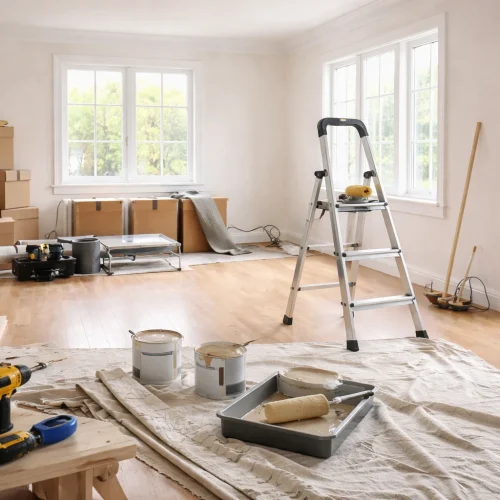
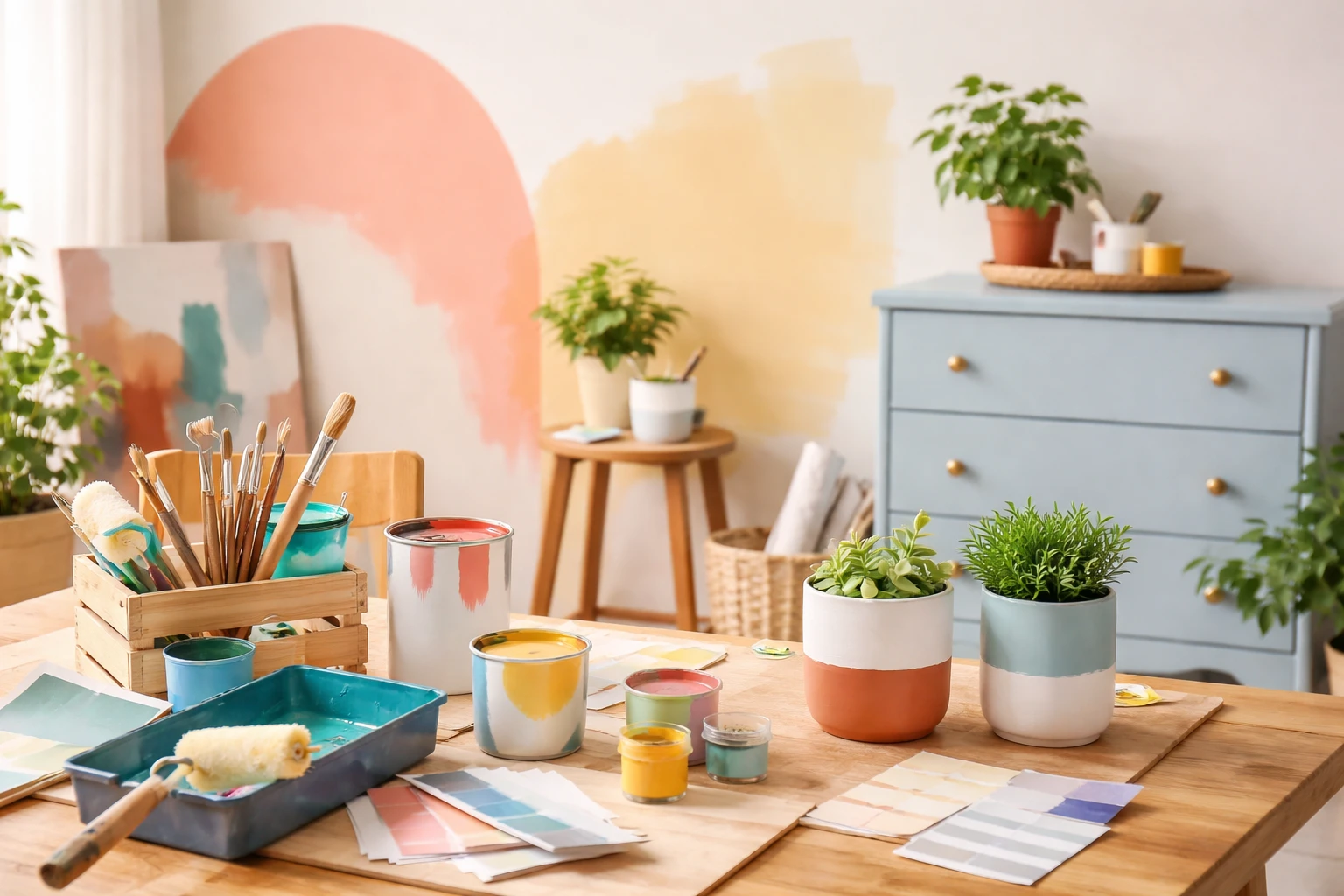
Before diving into specific DIY painting ideas, it helps to understand the basic tools. You don’t need a full workshop. You just need the right essentials.
Here’s a simple breakdown.
| Supply | Why It Matters |
| Paint (latex, acrylic, chalk, spray) | Different surfaces need different paint types |
| Quality brushes | Cheap brushes leave streaks and shed bristles |
| Rollers & trays | Best for walls and larger flat surfaces |
| Painter’s tape | Creates clean edges and sharp lines |
| Drop cloths | Protects floors and furniture |
| Sandpaper | Helps paint adhere and smooths imperfections |
| Primer | Improves coverage and durability |
One tip I always give: buy fewer tools, but buy better ones. A good brush can last years if you clean it properly.
Easy DIY Painting Ideas for Beginners
If you’re new to painting, start small. Success builds confidence fast.
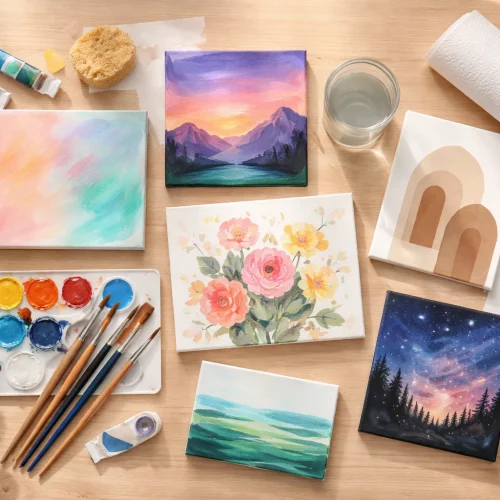
Canvas art is one of the easiest entry points. You can experiment freely without worrying about ruining something permanent. Abstract designs, soft color blends, or simple brush textures work beautifully and don’t require precision.
Color-blocked art is another beginner-friendly option. Choose two or three complementary colors. Tape off sections. Paint. Peel. Done. The results look intentional even when the technique is simple.
Geometric designs using painter’s tape also deliver strong visual impact with minimal effort. Straight lines do most of the work for you.
And if you want something more expressive, pour painting can be surprisingly forgiving. The paint moves where it wants. Your job is mostly to guide it and know when to stop.
These DIY painting ideas are about learning control without pressure.
DIY Wall Painting Ideas That Make a Statement
Walls offer the biggest canvas in your home. They also offer the biggest opportunity for transformation.
Accent walls remain popular for a reason. One bold color can change the energy of an entire room without overwhelming it. Deep blues, muted greens, or warm clay tones work especially well.
Half-painted walls are another strong option. Painting the lower half of a wall creates visual structure and can make ceilings feel taller when done correctly.
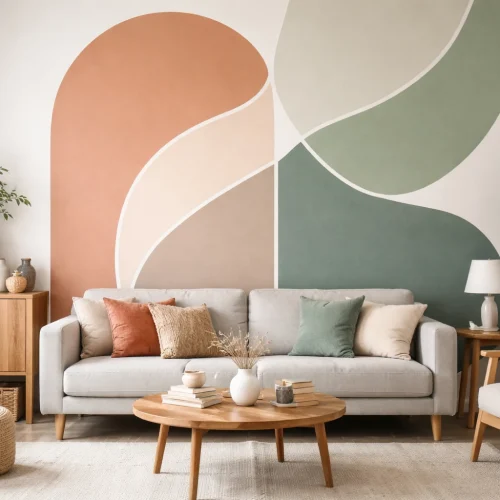
Painted arches and soft shapes have gained popularity, especially in modern and minimalist spaces. They frame furniture, define zones, and add character without clutter.
For those feeling adventurous, faux finishes like limewash or textured effects add depth that flat paint can’t. These techniques take practice, but the results feel layered and organic.
The key with wall-based DIY painting ideas is preparation. Clean surfaces. Sharp lines. Patience between coats.
DIY Painting Ideas for Furniture Makeovers
Furniture painting is where DIY projects really shine. Old pieces suddenly feel custom when painted with intention.
Chalk paint is often favored for furniture because it requires minimal prep and dries quickly. Latex paint offers durability but benefits from sanding and priming first.
Distressed finishes work well for rustic or vintage looks. Light sanding on edges reveals layers underneath and adds character without perfection.
Two-tone furniture is another simple upgrade. Painting the base one color and the drawers another creates contrast and depth.
Sealing is critical here. A clear topcoat protects your work and extends the life of the piece. Skip this step, and you’ll regret it later.
Furniture-focused DIY painting ideas reward patience. Rushing almost always shows.
Creative DIY Painting Ideas for Home Décor

Small décor projects are perfect when you want quick wins.
Painted vases and planters instantly refresh shelves and tabletops. Neutral bases with subtle patterns work well if you want flexibility.
Frames and mirrors are often overlooked. A coat of paint can turn a generic frame into a statement piece that complements your color palette.
Trays, lamps, and boxes also respond well to paint. Just make sure the surface is clean and lightly sanded so the paint adheres properly.
Seasonal décor painting is another smart approach. You can rotate colors or themes without buying new items every few months.
These DIY painting ideas prove that small changes still matter.
Fun DIY Painting Ideas for Kids and Families
Painting doesn’t need to be serious to be valuable.
Family projects encourage creativity without pressure. Large shared canvases work especially well. Everyone adds something. No one owns the outcome completely.
Mess-free techniques, like painting inside sealed plastic bags or using sponges, reduce cleanup and stress.
Handprint and footprint art creates keepsakes that feel personal without being complicated.
For kids, washable paints and clear boundaries make all the difference. Cover surfaces. Set expectations. Then let them explore.
These projects aren’t about perfection. They’re about participation.
Budget-Friendly DIY Painting Ideas Using What You Have
Some of the best DIY painting ideas come from limitations.
Leftover paint is an opportunity, not a problem. Build projects around the colors you already own instead of buying new ones.
Thrifted items are ideal painting candidates. You can experiment without worrying about ruining something expensive.
Glass jars, tin cans, and scrap wood can all become décor with a bit of creativity. Clean them well. Prime if needed. Paint intentionally.
Minimal-supply projects, like monochrome designs or single-color textures, keep costs low while still looking polished.
Working within constraints often leads to better results.
Advanced DIY Painting Ideas for Experienced DIYers
Once you’ve mastered the basics, layered techniques open new doors.
Mixed media projects combine paint with wood, fabric, or metal for depth and interest. These require planning but feel truly custom.
Murals take commitment. Sketch first. Scale carefully. Work in sections. They’re time-consuming, but the impact is unmatched.
Stenciling with multiple colors adds detail and complexity, especially when aligned carefully and sealed properly.
These DIY painting ideas aren’t rushed projects. They’re investments in skill and patience.
Common DIY Painting Mistakes to Avoid
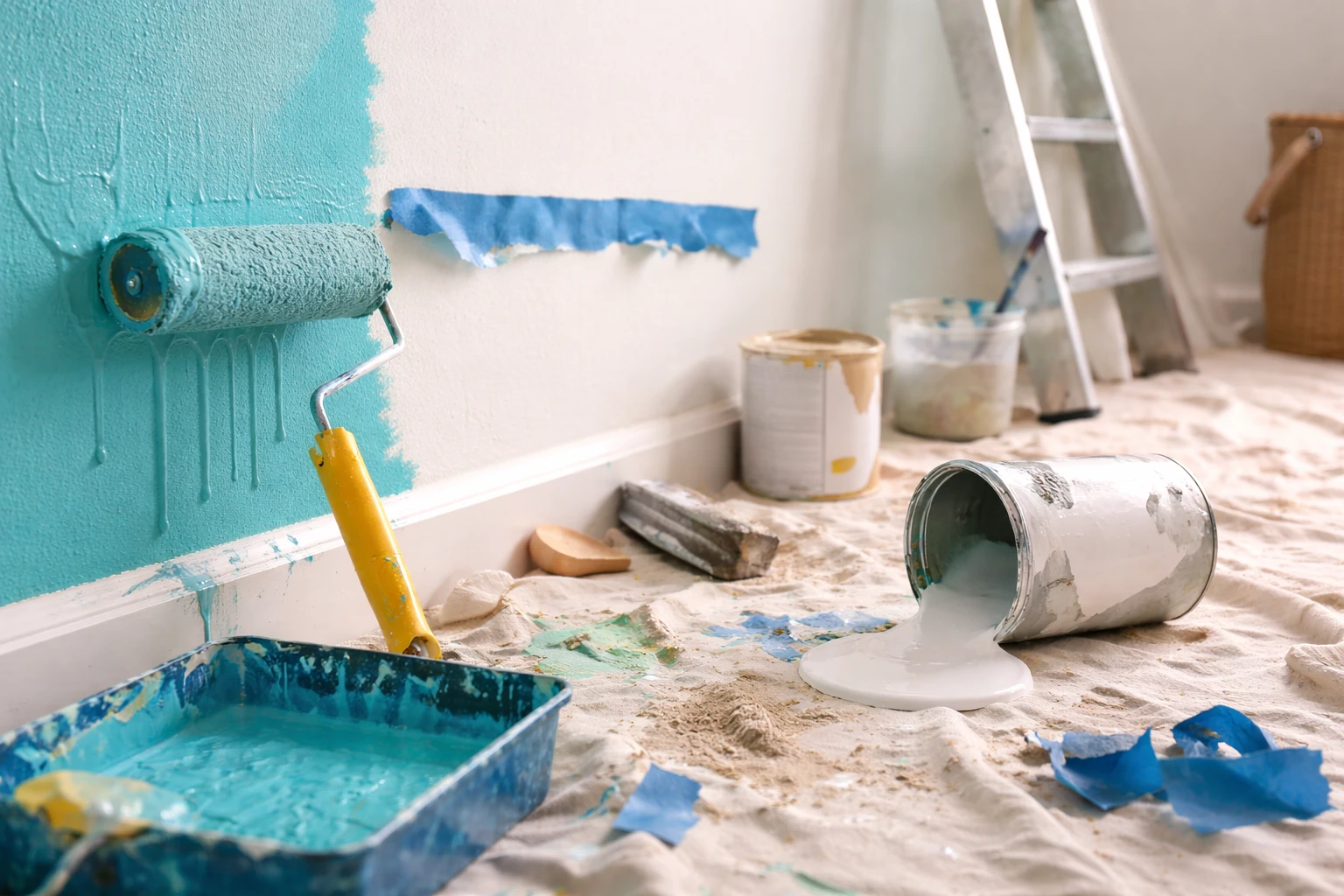
Mistakes happen. Avoidable ones hurt more.
Skipping prep is the most common issue. Dirty or glossy surfaces reject paint. Always clean and lightly sand.
Using the wrong paint type leads to peeling and uneven finishes. Match the paint to the surface.
Overloading brushes creates drips and streaks. Less paint. More control.
Rushing drying time ruins even good technique. Let layers cure fully.
And never skip protective finishes on high-touch surfaces.
How to Choose the Right DIY Painting Idea for Your Space
Not every idea fits every room.
Small spaces benefit from lighter colors and simpler designs. Dark tones can overwhelm if used incorrectly.
Lighting changes everything. Test colors in natural and artificial light before committing.
Think long-term. Trend-driven DIY painting ideas can feel dated quickly. Balance personality with longevity.
Most important, trust your instincts. If something feels right, it probably is.
Tips for Making DIY Painting Projects Look Professional
Details separate amateur from polished.
Clean lines matter. Tape carefully. Remove it at the right time.
Layer thoughtfully. Thin coats outperform thick ones every time.
Test before committing. Sample boards save frustration.
And step back often. Distance reveals flaws you can’t see up close.
Professional results come from patience, not perfection.
Conclusion
DIY painting ideas don’t require talent. They require curiosity, effort, and the willingness to start.
Every project teaches you something. About color. About process. And about yourself.
Start small. Build confidence. Then try something bolder.
Your space should feel like it belongs to you. Paint is one of the easiest ways to make that happen—one brushstroke at a time.
FAQs
Canvas art, color-blocking, and simple geometric designs are great starting points that require minimal tools and experience.
No, most DIY painting ideas can be done with basic brushes, leftover paint, and simple prep materials.
Latex paint works well for walls, chalk paint is popular for furniture, and acrylic paint is ideal for crafts and décor.
Proper surface prep, thin paint layers, and allowing enough drying time make a big difference in the final result.
Yes, removable wall designs, painted décor, and furniture updates are renter-friendly options that don’t cause damage.
Many projects can be completed in a few hours, though furniture and wall designs may take a full weekend.
Priming isn’t always required, but it helps with coverage, durability, and color accuracy—especially on furniture or dark surfaces.
Skipping prep work, rushing drying time, and using the wrong paint type are the most common issues.
Yes, with washable paints, proper supervision, and protected surfaces, painting can be a fun family activity.
Test samples in your space first and consider lighting, existing décor, and how long you plan to keep the design.