
Production delays used to be a normal part of manufacturing. Waiting weeks for parts, dealing with supply chain issues, and managing large inventories often slowed everything down. But things are starting to change. Digital manufacturing is helping companies produce parts faster, adjust designs quickly, and respond to demand without long delays.
With tools like advanced software, automated systems, and on-demand production, manufacturers can keep projects moving even when challenges arise. Businesses around the world are now using these technologies to stay flexible and avoid costly slowdowns. As a result, production is becoming faster, smarter, and far more reliable than it was before.
Revolutionizing Production Timelines with Digital Manufacturing
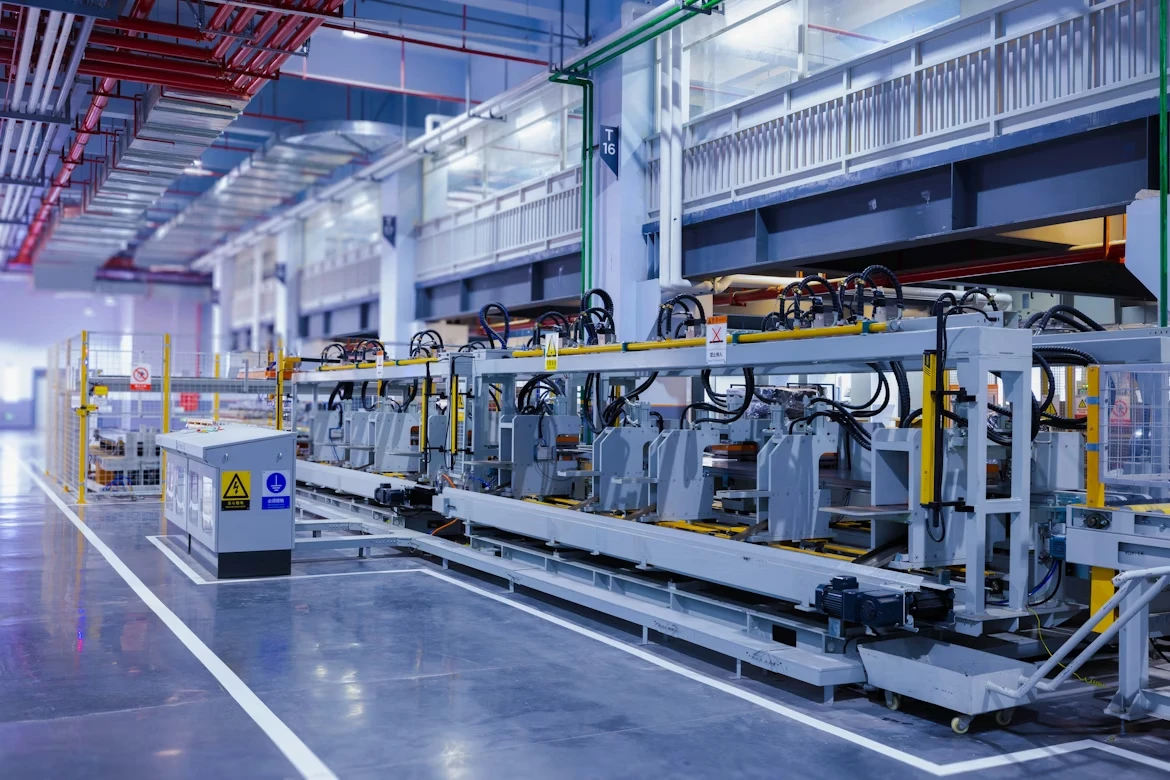
Walk into a cutting-edge factory today and you’ll witness something fundamentally different from the plants of even five years ago. This isn’t just incremental improvement, it’s a complete reimagining of how goods travel from initial design to finished product.
You’re looking at automation working alongside analytics and connectivity, creating systems that catch problems the instant they appear.
Automation’s Impact on Reducing Bottlenecks in the Manufacturing Process
Remember when production managers relied on gut instinct and visual inspections? Those days are fading fast. Automated systems track everything in real time, flagging issues before they snowball into full-blown crises.
Consider this: when sensors detect early wear patterns in machinery, your maintenance crew gets notified immediately, not after something breaks down completely. Studies confirm that AI-driven machine vision systems in quality inspection can cut fabric defect rates by 30%. That’s substantial savings from catching defects early rather than dealing with expensive rework later.
Smart manufacturing technologies now execute repetitive tasks with consistency that humans simply cannot sustain hour after hour. Autonomous robots shuttle materials between stations without human intervention or delays.
Meanwhile, intelligent scheduling adapts production sequences dynamically based on what’s actually happening right now. This kind of orchestration was pure fantasy before digitalization became mainstream.
But here’s what really matters: while automation eliminates physical slowdowns, it’s the interconnected data flowing through these systems that gives you the power to react instantly when something goes sideways.
Connectivity & Data: Powering Instant Response to Disruptions
Industrial IoT has birthed manufacturing environments where equipment communicates constantly. Connected machines don’t simply gather information, they generate actionable intelligence that forecasts failures weeks ahead of time.
Factories running these systems have seen dramatic improvements in reducing production delays by tackling potential problems before they materialize into actual ones.
Predictive analytics crunches through thousands of production cycles, detecting tiny warning signs humans would never notice. Supplier shipment delayed? Connected systems immediately recalibrate production timelines and alert everyone who needs to know.
With custom 3d printing service capabilities, manufacturers now respond to design modifications in hours instead of waiting weeks, offering customers flexibility that traditional manufacturing simply couldn’t deliver.
With that foundation laid, let’s examine the specific technologies powering these efficiency breakthroughs.
Key Digital Manufacturing Technologies Transforming Production Efficiency
Several game-changing technologies are combining forces to eliminate the delays that used to feel inevitable in complex manufacturing.
Cloud-Based Platforms Streamlining Collaboration & Planning
Cloud technology has obliterated the communication walls that once isolated design teams from factory floors and suppliers. Your engineers in California can work seamlessly with production supervisors in Germany and suppliers in Taiwan through shared platforms updating instantaneously. Everyone accesses identical data simultaneously. Decisions happen faster, and miscommunication errors plummet.
These platforms keep inventory counts, production schedules, and quality measurements synchronized across multiple locations. When one facility identifies a brewing delay, other sites can immediately adjust their operations to balance things out.
And there’s more: cloud infrastructure isn’t just connecting people and places, it’s enabling even more sophisticated solutions like AI and machine learning that continuously fine-tune your production workflows.
Adaptive Manufacturing with AI and Machine Learning
AI algorithms have become remarkably skilled at detecting inefficiencies that slip past human observation. These systems process millions of data points, identifying optimal resource deployment strategies that push throughput higher.
Machine learning examines historical production records and suggests process tweaks that trim minutes from cycle times, and those minutes compound into days or weeks across large-scale production.
The technology improves with every cycle, perpetually refining its suggestions. After fully considering other influencing factors and strictly incorporating the fixed effects, research shows that a 1% increase in digital technology leads to a significant 2.3% improvement in total factor productivity. That’s a remarkable multiplier for organizations willing to commit to these capabilities.
While AI optimizes what you’re already doing, custom 3d printing service innovations are fundamentally reshaping how quickly you can progress from concept to tangible product.
Rapid Prototyping: Accelerating Product Launches with Custom 3D Printing Service
Utilizing custom 3d printing service capabilities, companies are able to produce intricate parts within hours, bypassing the lengthy timelines demanded by traditional tooling. This speed lets designers iterate rapidly, testing multiple variants before committing to full production runs.
The technology shines particularly bright for spare parts that would otherwise occupy expensive warehouse space for years. Something breaks? Print a replacement on demand instead of maintaining massive inventories of components you might never need.
Digital Twins: Real-Time Monitoring and Predictive Maintenance
Virtual replicas of physical production lines let your engineers test modifications without touching actual equipment. These digital twins run simulations of different scenarios, exposing potential issues before they manifest in reality. You can experiment with new configurations without risk, then implement only the changes that modeling confirms will actually work.
Smart manufacturing technologies like digital twins have enabled leading manufacturers to slash unplanned downtime by forecasting maintenance requirements with impressive precision. The global production efficiency gains from this methodology are both measurable and meaningful.
These aren’t theoretical concepts, top manufacturers worldwide are already documenting tangible results from implementing these digital solutions.
Maximizing Global Production Efficiency: Key Takeaways for Industry Leaders
Success in digital manufacturing demands more than purchasing new hardware. You need strategies addressing both technological and human elements.
ROI Metrics for Digital Manufacturing Investments
Effective manufacturers monitor specific KPIs that demonstrate whether digital investments are delivering value. Lead time reductions, throughput improvements, and per-unit cost savings offer concrete proof of progress. Customer satisfaction typically climbs significantly when you can promise realistic delivery timelines, and actually hit them consistently.
The critical step? Establish baseline measurements before implementation, then systematically track changes as new technologies go live.
Measuring immediate returns validates your investment, yes. But building flexible, future-ready systems ensures your competitive position remains strong as manufacturing industry trends keep evolving.
Future-Proofing Operations with Scalable Digital Solutions
Flexibility trumps perfection when selecting digital tools. Your systems should expand with your business rather than demanding complete replacement every few years. Modular platforms allow manufacturers to add features incrementally, distributing costs over time while discovering what works best for your specific situation.
Equipped with these insights and practical guidance, you’re ready to grasp the complete scope of digital manufacturing’s transformative impact.
Frequently Asked Questions
Digital factories enable cross-functional coordination, create greater agility to adapt to the changing world, and give companies a competitive edge. They inform smarter decision-making across the value chain through real-time data and predictive capabilities.
Absolutely, cloud-based solutions and modular systems let smaller operations start with targeted investments rather than massive overhauls. Many vendors offer scalable pricing that grows with your business, making entry points accessible.
Many organizations report measurable improvements within 6-12 months, though complex implementations may take longer. Quick wins often come from predictive maintenance and automated quality control, which show results almost immediately.
Moving Forward
Digital manufacturing isn’t merely changing how products get made, it’s expanding the boundaries of what’s achievable in speed, quality, and responsiveness. Companies embracing these technologies are reducing production delays while competitors wrestle with those same old obstacles.
The evidence speaks clearly: connected factories, intelligent automation, and data-informed decision making deliver quantifiable improvements in global production efficiency. Manufacturing industry trends point unmistakably toward accelerating digital transformation, and smart manufacturing technologies will only grow more capable and attainable.
The real question isn’t whether you should go digital. It’s how quickly you can begin capturing these advantages for your own operations.