Your home is more than a physical shelter. It reflects your emotions, habits, and personality. The way you design and organize your living space can have a deep influence on how you feel and function. Every corner, color, and piece of furniture carries psychological significance. The concept of home design has evolved beyond aesthetics to include mental health and personal well-being.
A thoughtfully designed home can reduce stress, boost focus, and create a sense of comfort and purpose. When you understand how the psychology of space works, you can make an environment that nurtures your body, mind, and productivity every single day.
1. The Emotional Impact of Interior Design
Our surroundings constantly influence our emotions. A cluttered or disorganized environment often causes anxiety and frustration, while clean and balanced spaces bring calmness and clarity. The human brain processes visual information quickly, so what we see around us directly affects how we think and behave.
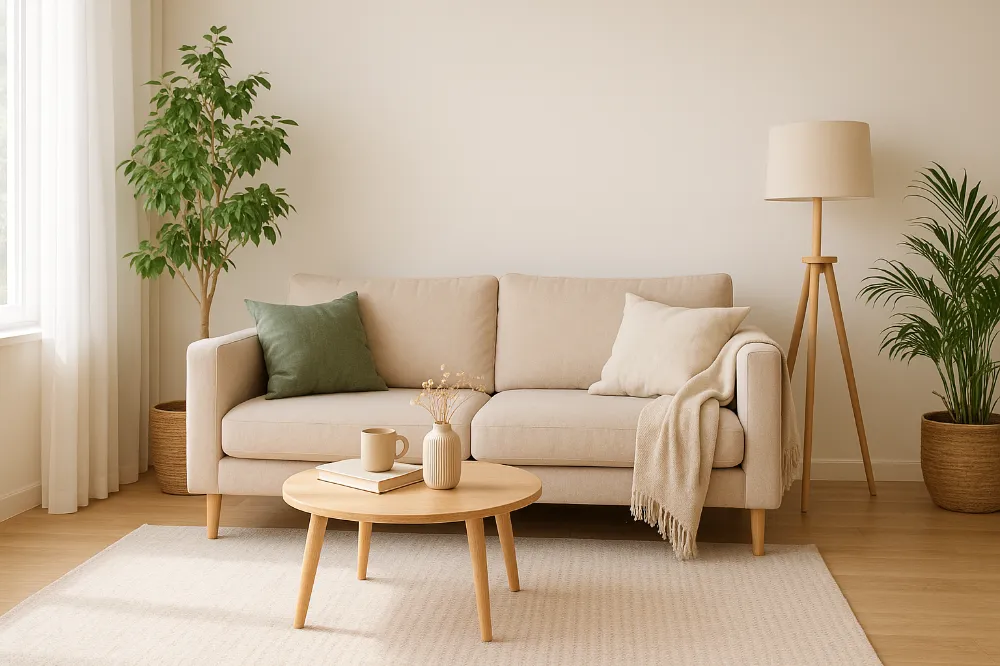
Colors play a major role in setting the emotional tone of a room. Blue encourages focus and relaxation, green symbolizes balance and renewal, and yellow brings warmth and energy. Neutral shades like beige or light gray help create a sense of stability and peace. Choosing colors that align with your emotional needs can dramatically change the atmosphere of your home. Textures and materials also affect how comfortable you feel. Soft fabrics, natural wood, and warm lighting encourage relaxation, while harsh or synthetic materials may create tension. By blending soothing textures with pleasing colors, you can design a space that feels both inviting and emotionally grounding.
2. The Role of Natural Light and Airflow
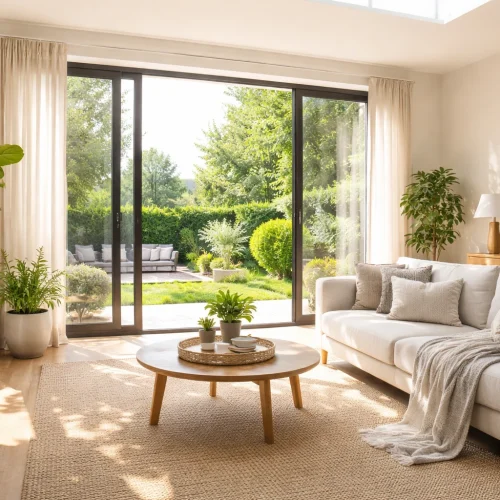
Natural light is one of the most powerful influences on mood and productivity. Sunlight regulates your body’s internal clock, helps maintain energy levels, and enhances concentration. A bright, airy room feels more open and uplifting, while dark or poorly ventilated spaces can make you feel tired and unmotivated.
Position desks or reading areas near windows to benefit from daylight. Use light curtains that allow the sun to filter through gently. Mirrors can also help reflect light into darker corners, creating the illusion of more space. Air quality is another essential factor. Fresh airflow reduces toxins, prevents dampness, and keeps your mind sharp. Adding indoor plants improves both air quality and emotional balance. A few plants in key areas can make your home feel more alive and refreshing.
3. Designing for Wellness and Mindful Living
A wellness-oriented home focuses on calm, connection, and emotional restoration. Each space should serve a meaningful purpose and reflect mindfulness. The bedroom should promote restful sleep, the kitchen should inspire nourishment, and the living area should encourage relaxation and conversation.
To enhance wellness, use natural materials and earthy tones that evoke serenity. Avoid excessive noise, clutter, and artificial lighting. Consider using calming scents like lavender or eucalyptus to influence mood positively. Biophilic design connecting the indoors with nature helps reduce stress and supports cognitive function. This can be achieved through the use of plants, water elements, or even artwork inspired by natural landscapes.
4. The Role of Community and Shared Spaces
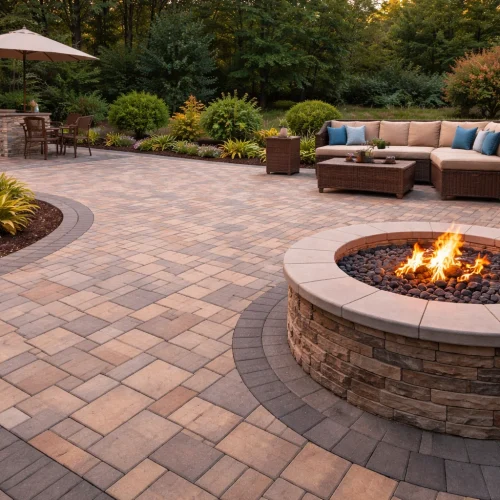
Home design also extends to how you connect with your neighborhood or community. Shared spaces, such as gardens or courtyards, play an important role in social wellness. Positive community interaction enhances your sense of belonging and emotional security.
In managed communities, effective communication between homeowners and associations can help maintain harmony. For example, when discussing neighborhood improvements or maintenance requests, using HOA letter templates can make communication professional and clear. Well-drafted letters ensure your message is respectful and constructive, supporting a more peaceful and cooperative environment for everyone.
5. The Power of Personalization
Personalization creates emotional attachment and happiness. When your home reflects your identity, it becomes more than just a living space; it becomes your sanctuary. Display meaningful artwork, family photographs, or travel mementos to make your space feel truly yours.
However, moderation is key. Overdecorating can lead to visual clutter, which may increase stress. Choose only the pieces that bring you joy or hold special meaning. These subtle personal touches strengthen your emotional connection to your home and enhance your sense of belonging. Creating harmony between personalization and structure ensures that your environment supports both creativity and calmness. It’s this balance that transforms an ordinary house into a space of wellness.
6. Designing for Productivity and Focus
Productivity flourishes in spaces that are well-organized and free from distraction. A dedicated work or study area should be comfortable yet structured. Choose ergonomic furniture that promotes good posture and reduces fatigue. Keep only essential tools on your desk to maintain visual simplicity.
Lighting is critical for focus. Daylight is best, but adjustable lamps with warm tones can help maintain concentration during evening hours. Include small touches that inspire creativity, such as artwork, quotes, or a simple vision board. Defining clear zones for work, relaxation, and leisure helps your mind switch between tasks more efficiently. This separation also prevents burnout and improves mental clarity throughout the day.
7. Managing Distractions and Digital Balance
In the digital era, homes are filled with screens and constant notifications. This overstimulation can harm focus and emotional balance. To maintain wellness, create technology-free zones where you can relax and reconnect with yourself.
Bedrooms and dining areas are ideal spaces to limit device usage. Use soft lighting, gentle colors, and natural materials in these zones to encourage mindfulness and rest. Reducing visual and auditory distractions will help your mind recharge after a busy day. Regular breaks from technology are not only good for your eyes but also for your mental health. When your home design supports mindful habits, it becomes easier to maintain peace and focus in your daily life.
8. The Psychology of Color and Texture
Color and texture influence how your brain perceives a space. Cool tones like blue and green lower heart rate and reduce stress. Warm colors such as yellow and orange increase energy and social interaction. Using both strategically across your home can balance calmness with motivation.
Textures matter as well. Soft, plush fabrics create comfort, while natural materials like linen, wood, and stone evoke authenticity and simplicity. Layering different textures adds depth and warmth, making your space more inviting. Paying attention to how colors and textures interact helps you create a sensory experience that aligns with your emotional needs. Every design choice contributes to your well-being when made intentionally.
9. Restoring Balance and Handling Conflicts
Sometimes, even in well-designed communities, issues can arise that disrupt peace and comfort. Whether it’s noise concerns, parking disputes, or maintenance problems, these matters can impact the tranquility of your living environment. When handled calmly and professionally, they can be resolved without long-term stress.
In such situations, sending a respectful hoa violation letter can help address problems formally while maintaining good relationships among neighbors. Clear communication helps ensure that everyone follows community standards, which ultimately preserves the overall harmony of shared living spaces.
10. Achieving Harmony Between Function and Emotion
A home designed with psychological balance in mind supports both wellness and productivity. Functionality ensures convenience and efficiency, while emotional design brings comfort and peace. Every room should serve your daily needs while contributing to your mental well-being.
For instance, a peaceful bedroom promotes quality sleep, an organized kitchen encourages healthy eating, and a cozy living room fosters family connection. When functionality meets emotional warmth, your home becomes a powerful tool for personal growth and happiness.
Conclusion
The psychology of space is about more than furniture or colors—it’s about how your surroundings influence your inner world. A home that supports wellness and productivity reflects balance, mindfulness, and intention.
By choosing natural light, calming colors, personal touches, and structured layouts, you create an environment that nurtures both your body and mind. When your living space aligns with your emotional needs, you naturally feel more focused, peaceful, and inspired. Your home should always feel like a place where you can rest, recharge, and thrive. With thoughtful design choices rooted in the psychology of space, you can build a living environment that enhances every aspect of your life inside and out.
FAQs
Your surroundings influence mood, stress levels, focus, and emotional well-being. A clean, organized, and balanced home can promote calmness and clarity.
Natural light, ergonomic furniture, minimal clutter, and designated work zones help improve focus and daily efficiency.
Soft blues, greens, neutrals, and earthy tones are known to reduce stress and create a soothing environment.
Natural light regulates sleep cycles, improves mood, increases energy, and enhances productivity throughout the day.
Yes. Plants purify air, add life to a room, reduce stress, and enhance emotional balance through biophilic design.
Biophilic design connects indoor spaces with nature through plants, natural textures, and organic shapes, reducing stress and boosting cognitive function.
Create technology-free zones, limit clutter, use soft lighting, and design quiet spaces dedicated to rest or focus.
Soft textures add warmth and comfort, while natural materials like wood or linen promote authenticity and calmness.
Personal touches like photos, art, and meaningful objects enhance emotional connection and make your home feel like a sanctuary.
Clear communication, respectful shared-space design, and proper handling of issues (such as via polite HOA letters) contribute to peaceful living environments.