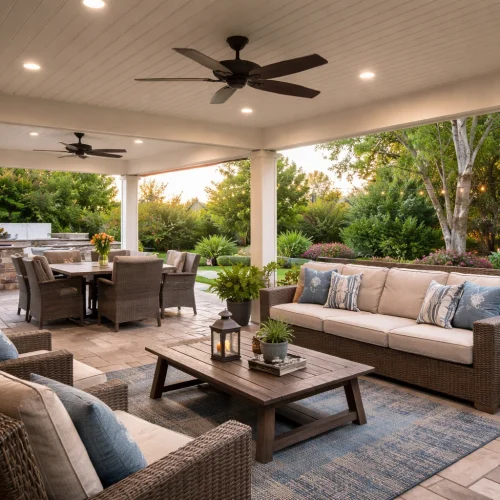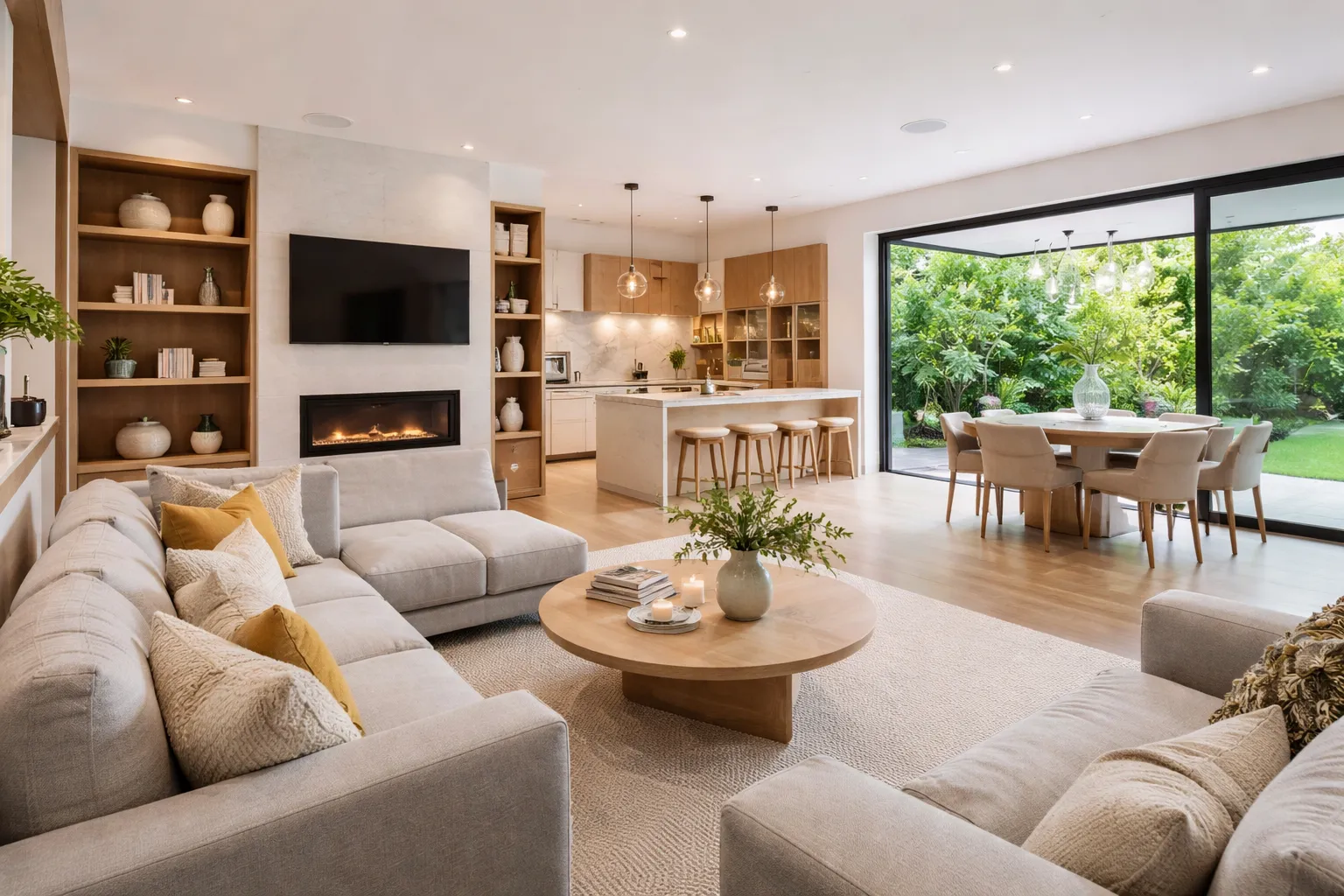
A home is more than just a place to live—it is a personal sanctuary that reflects lifestyle, taste, and everyday needs. Modern home design has evolved beyond aesthetics alone, focusing equally on comfort, functionality, and the smart use of technology. Whether you live in a compact apartment or a spacious house, thoughtful planning can transform your home into a space that feels both inviting and efficient.
Today’s homeowners expect more from their living spaces. Homes are no longer designed solely for sleeping and dining; they now serve as workplaces, relaxation zones, entertainment hubs, and social gathering spaces. As lifestyles become more dynamic, modern design must respond with adaptable layouts, efficient systems, and technology that supports everyday routines rather than complicates them.
The Foundation of Modern Living
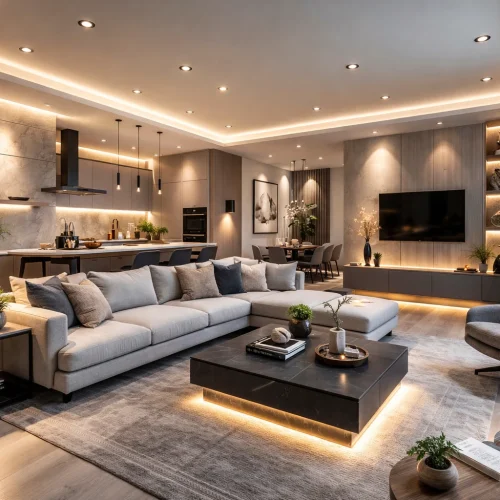
One of the key elements of a well-designed home is layout. Open floor plans are increasingly popular because they create a sense of spaciousness and improve natural light flow.
By combining the living room, dining area, and kitchen into one cohesive space, homeowners can encourage interaction and flexibility. This layout is especially useful for families and those who enjoy entertaining guests.
Why Open Floor Plans Continue to Dominate
Open layouts are favored in modern homes because they allow spaces to serve multiple purposes without feeling confined. A single open area can function as a cooking zone, dining space, and social area simultaneously.
Key advantages of open floor plans include:
- Improved sightlines and visual openness
- Better airflow and natural lighting
- Easier furniture arrangement and movement
- Enhanced social interaction between occupants
Open designs also make smaller homes feel larger. When walls are minimized, light can travel freely throughout the space, creating a brighter and more welcoming environment.
Balancing Openness With Practicality
While open layouts offer many benefits, balance is essential. Thoughtful zoning using furniture placement, rugs, lighting, or partial dividers can help define areas without closing them off completely. This approach maintains openness while still providing structure and purpose to each zone.
Smart Storage Solutions for a Clutter-Free Home
Storage is another crucial aspect of home design. Clutter can quickly disrupt the calm atmosphere of any space. A modern home prioritizes smart storage that blends seamlessly into the design while keeping everyday items organized and accessible.
Built-in shelves, under-bed storage, and multifunctional furniture such as ottomans with hidden compartments help maximize space without compromising style. Smart storage solutions are particularly valuable in smaller homes, where every square foot matters.
Effective Storage Strategies
Modern storage solutions focus on efficiency, accessibility, and aesthetics.
Common storage approaches include:
- Floor-to-ceiling built-in cabinets
- Hidden storage beneath seating or beds
- Wall-mounted shelving to free up floor space
- Modular furniture that adapts to changing needs
Thoughtfully planned storage reduces visual clutter, which in turn promotes a calmer, more organized living environment. When items have designated spaces, daily routines become smoother and less stressful.
Integrating Technology Into Modern Home Design
Technology now plays a major role in shaping modern homes. Smart lighting systems, automated thermostats, and voice-controlled assistants enhance convenience while also improving energy efficiency.
Homeowners can control lighting, temperature, and even security systems from their smartphones, making daily routines smoother and more efficient. Technology integration allows homes to respond to user preferences, creating environments that adapt automatically throughout the day.
Popular Smart Home Features
Modern homes increasingly include technology that simplifies tasks and improves comfort.
Common smart home technologies include:
- Smart lighting systems with adjustable brightness and color
- Automated thermostats that learn usage patterns
- Voice-controlled assistants for hands-free operation
- Remote-controlled security cameras and door locks
These systems not only add convenience but also support sustainability by reducing unnecessary energy use.
Visualizing Design and Technology Together
When planning renovations or new interiors, visualizing these changes in advance can be incredibly helpful. Some homeowners and designers even use tools like an online animation maker to create simple visual walkthroughs of rooms, helping them better understand how furniture placement, lighting, and color schemes will work together.
Visualization tools allow homeowners to identify potential issues early, make confident design decisions, and ensure that technology integrates smoothly into the overall aesthetic.
Sustainable Design Choices That Make a Difference
Sustainability is another growing priority in home design. Eco-friendly materials such as bamboo flooring, recycled wood, and low-VOC paints contribute to healthier indoor air quality and reduced environmental impact.
Energy-efficient windows, proper insulation, and solar panels can significantly lower utility bills while making the home more environmentally responsible. Sustainable design focuses on long-term benefits rather than short-term trends.
Environmentally Conscious Home Improvements
Small changes can collectively make a meaningful impact.
Sustainable upgrades often include:
- LED lighting to reduce energy consumption
- Water-saving fixtures in kitchens and bathrooms
- High-performance insulation to maintain indoor temperature
- Energy-efficient appliances
Even small changes—like switching to LED bulbs or installing water-saving fixtures—can make a noticeable difference over time. Sustainable homes not only reduce environmental impact but also offer long-term financial savings.
Comfort as a Core Design Principle
Comfort is a defining feature of modern home design. Beyond visual appeal, a home must feel welcoming and functional on a daily basis. Comfort is influenced by factors such as lighting, acoustics, temperature control, and furniture selection.
Soft furnishings, ergonomic furniture, and thoughtful lighting placement all contribute to a comfortable atmosphere. Modern design favors simplicity, but not at the expense of warmth or livability.
Personalization: Making the Space Your Own
Personalization ultimately brings a home to life. Artwork, family photos, indoor plants, and carefully chosen color palettes help express individuality.
Neutral tones often provide a calming base, while accent colors add character and warmth. Textures such as soft rugs, cushions, and curtains can make a space feel more comfortable and lived-in.
Ways to Personalize a Modern Home
Personal touches transform a house into a home.
Common personalization elements include:
- Artwork or photography that reflects personal taste
- Indoor plants for freshness and visual interest
- Accent walls or statement furniture pieces
- Layered textures to add depth and comfort
These elements allow homeowners to express their identity while maintaining a cohesive, modern aesthetic.
Design Elements at a Glance
| Design Element | Purpose | Benefits |
| Open Layout | Space & flow | Better light, flexibility |
| Smart Storage | Organization | Reduced clutter |
| Technology | Convenience | Energy efficiency, automation |
| Sustainability | Environmental impact | Lower costs, healthier living |
| Personalization | Individual style | Comfort and character |
Planning for Long-Term Functionality
A well-designed home anticipates future needs. Flexible layouts, adaptable furniture, and scalable technology ensure that the home remains functional as lifestyles change. Whether accommodating a growing family, remote work, or aging in place, modern design emphasizes longevity.
Investing in quality materials and thoughtful planning reduces the need for frequent renovations and supports long-term satisfaction.
Conclusion
In conclusion, creating a well-designed home requires balancing aesthetics, practicality, and modern innovation. With smart layouts, efficient storage, integrated technology, and sustainable choices, homeowners can create spaces that support both comfort and functionality. Thoughtful planning and visualization tools make it easier than ever to turn ideas into reality, resulting in a home that truly feels like your own.
Frequently Asked Questions
A modern home design focuses on clean layouts, functionality, comfort, and the integration of smart technology to support daily living.
Open floor plans create a sense of spaciousness, improve natural light flow, and encourage social interaction.
Modern design uses smart layouts, multifunctional furniture, and efficient storage to maximize space without sacrificing comfort.
Technology improves convenience, energy efficiency, and security through smart lighting, climate control, and automation systems.
Costs vary, but many smart home upgrades are scalable and can be added gradually based on budget and needs.
Sustainable design reduces environmental impact, improves indoor air quality, and lowers long-term energy and utility costs.
Switching to LED lighting, installing water-saving fixtures, and improving insulation are simple, effective upgrades.
Built-in storage, hidden compartments, and multifunctional furniture help maintain a clean and organized space.
Personalization allows homeowners to express individuality and creates a space that feels comfortable and lived-in.
Visualization tools allow homeowners to preview layouts, lighting, and furniture placement before making permanent changes.