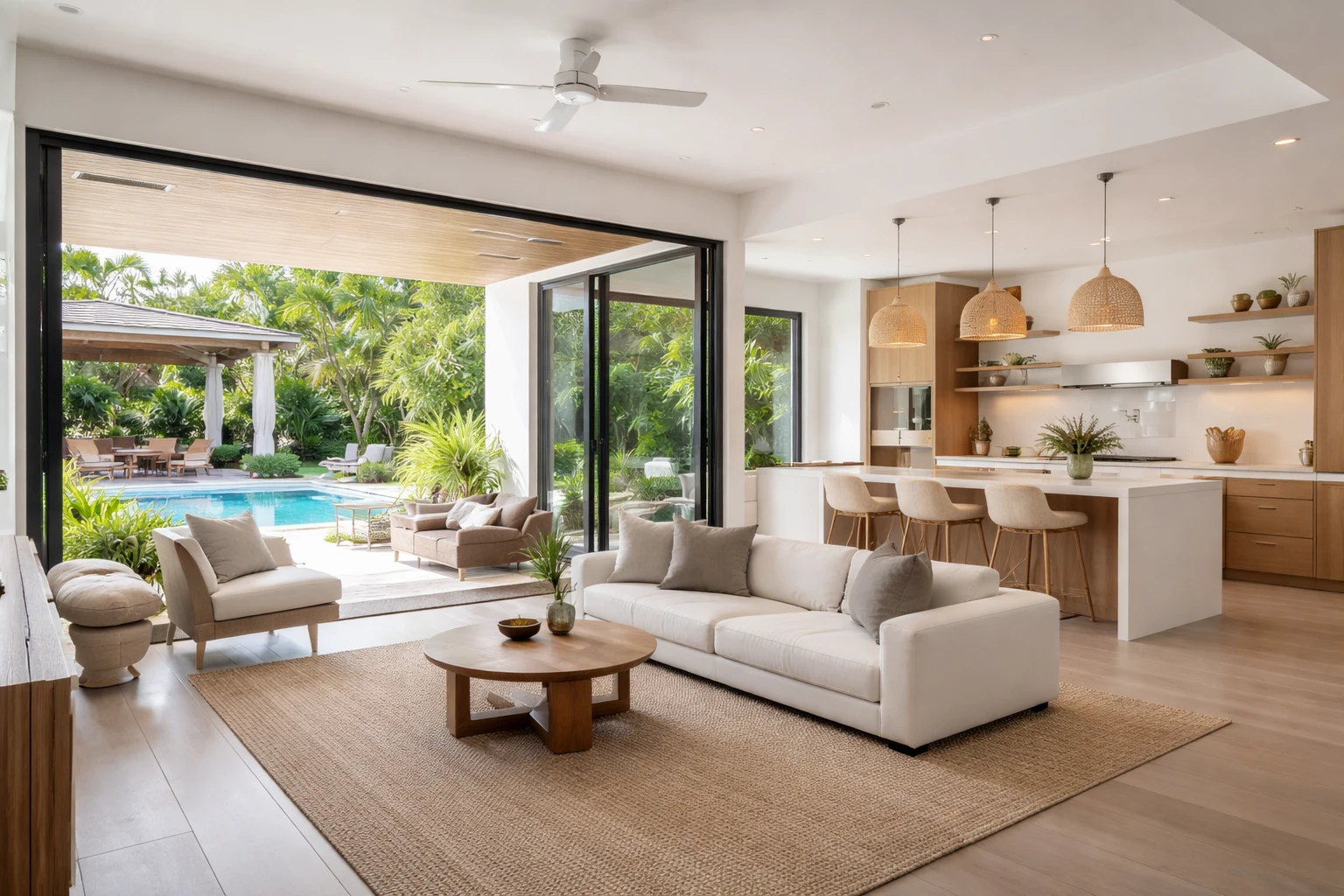
Planning a house sounds simple at first. People imagine the rooms, the kitchen, maybe a nice outdoor space. But once the real planning starts, the number of decisions grows quickly.
Layout, light, storage, movement between rooms. All of it matters more than most homeowners expect. That is usually the point where many people begin speaking with a fort lauderdale residential architect, because turning rough ideas into an actual home design takes careful planning.
And honestly, many of the things that make a home comfortable are not obvious in the beginning. Some only become clear later.
Early planning decisions that shape better living spaces
Architects usually begin by studying the property itself. Land shape, sun direction, surrounding buildings, and available space all influence the layout.
During this stage several things normally happen.
- Reviewing property measurements and boundaries
- Discussing how the homeowner plans to use the space
- Sketching early layout concepts
- Looking at room placement and flow between areas
- Considering future expansion possibilities
These discussions often bring new ideas to the surface.
A homeowner might originally plan a simple living room layout. But once the space is reviewed carefully, small adjustments may improve the design a lot. Sometimes it is just moving a window.
How thoughtful architecture improves comfort and functionality
When architecture is done carefully, living in the home feels easy. Rooms connect naturally. Light enters where it should. Moving from one area to another feels smooth.
But when design is rushed or poorly planned, small frustrations appear.
Doors may block movement. Rooms may feel darker than expected. Storage might be missing where it is needed most.
Important design elements that affect daily comfort
| Design Feature | Benefit for Daily Living |
| Natural lighting design | Brighter interior spaces |
| Efficient room connections | Easier movement inside the home |
| Smart storage planning | Less clutter and better organization |
| Outdoor access points | Stronger indoor outdoor lifestyle |
| Airflow consideration | More comfortable interior environment |
Some homeowners focus mostly on visual style when thinking about architecture. Others care more about practical layout. Most homes end up somewhere in the middle.
Custom planning versus standard home blueprints
Many people explore ready made house plans when starting a project. These plans can sometimes work well, especially for simple builds. But they are designed for general situations.
Custom architectural planning usually adapts the house to both the homeowner and the property itself.
Comparison between standard plans and custom planning
| Feature | Standard Plans | Custom Architectural Planning |
| Flexibility | Limited layout changes | Fully adjustable design |
| Personal lifestyle fit | Generic | Tailored to daily routines |
| Land usage | Standard placement | Designed around the property |
| Future adaptability | Minimal | Can allow expansion later |
Small design choices that change everyday living
Not every architectural decision looks important during planning. But once people begin living in the home, certain features quickly stand out.
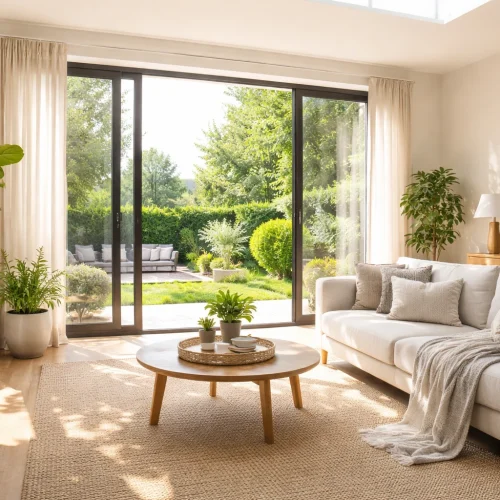
For example, window placement can change how light fills a room during the morning.
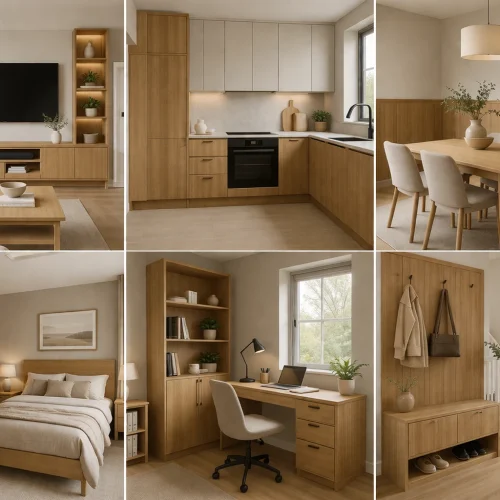
A slightly wider hallway might make movement feel less crowded. Built in storage near entrances can reduce daily clutter.
Examples of practical design improvements
- Windows positioned for natural daylight
- Storage areas near frequently used spaces
- Kitchens designed to reduce unnecessary movement
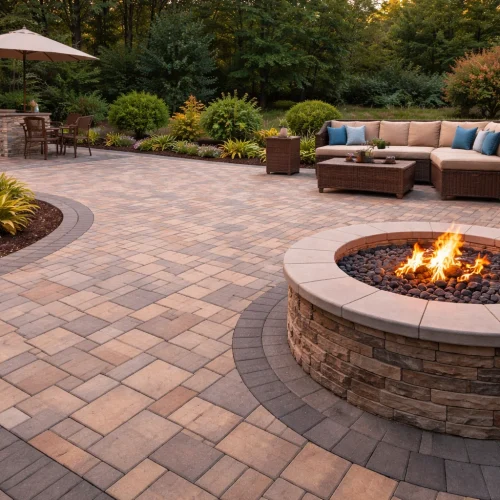
- Outdoor seating areas connected to living rooms
- Comfortable transitions between indoor and outdoor areas
Sometimes homeowners only notice these details months after moving in. And that is usually when good design begins to show its value.
Common questions homeowners ask
Custom planning may increase the design phase cost slightly, but it can help avoid construction changes later. Many homeowners see it as an investment in the long term quality of the home.
No. Many residential projects involve renovations or home additions. Architectural planning can help new spaces blend properly with the existing structure.
Planning a comfortable home
Designing a home rarely begins with exact measurements or a perfect exterior image. Most people start with a rough feeling of what they want. A bit more light in the living room. A kitchen that feels open. Maybe space that actually works for daily routines.
That is usually the point when conversations with a fort lauderdale residential architect begin. Not when everything is finalized. More when the ideas are still moving around and nothing feels completely settled yet. It usually helps turn rough thoughts into a layout that actually works once the house is built.
But the interesting part is this. Some design choices only make sense after people move in and live there for a while. That is when certain spaces suddenly feel right. Sometimes it is just a window in the right place.