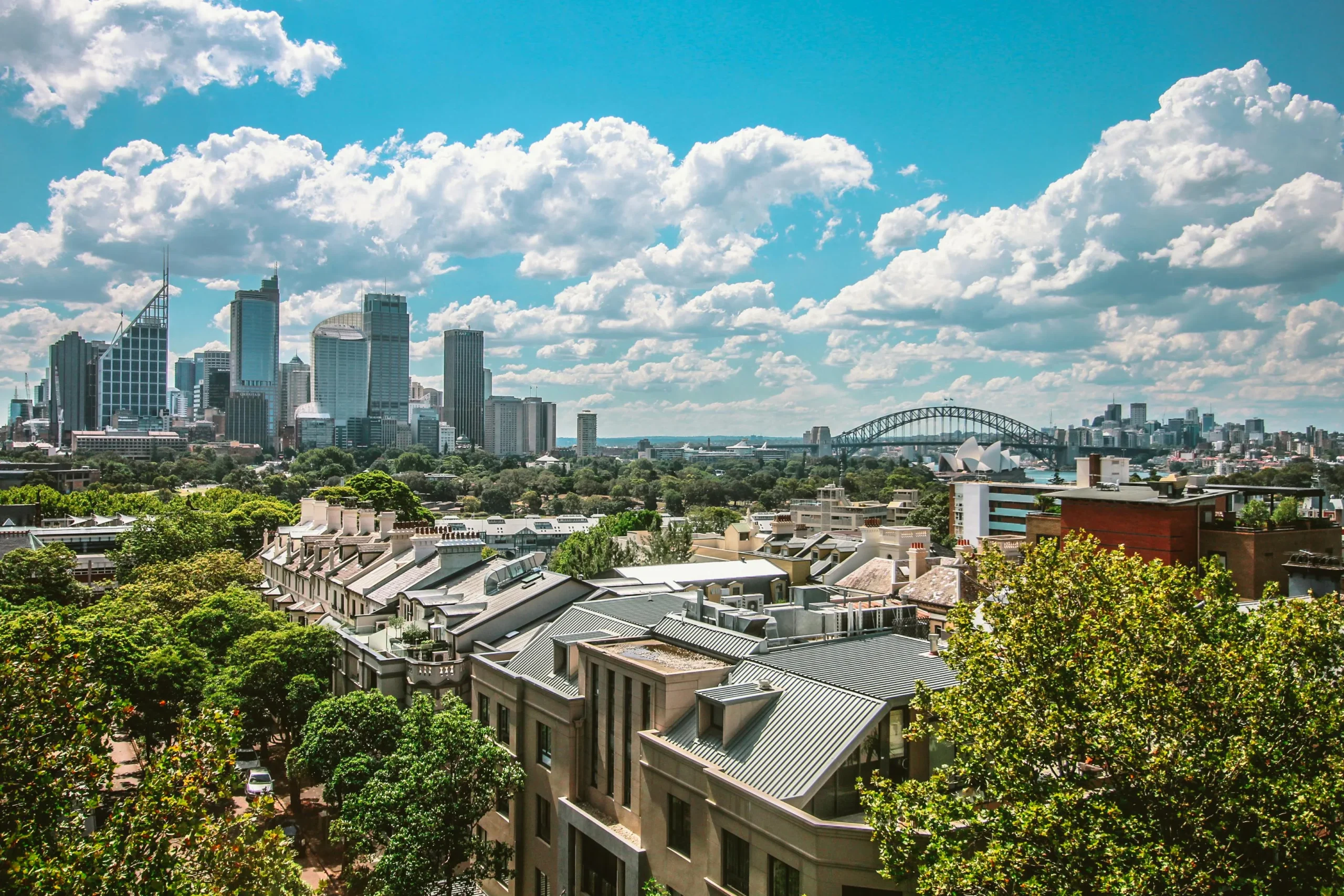
Sydney’s rental market keeps getting tougher. Rents are climbing, work patterns have changed, and what people need from a lease looks different than it did a few years ago. The standard annual agreement that used to work for most people just doesn’t cut it anymore.
There’s a noticeable shift happening. More renters want arrangements that give them breathing room, whether that’s because of job changes, study schedules, or just wanting to test out a neighbourhood before committing long term. This isn’t some passing phase. It’s tied to real changes in how people live and work across the city.
Understanding Flexible Leasing Options
So what actually counts as flexible leasing? Basically, it’s rental agreements with shorter or more adaptable terms than the usual year-long contract. Think three months, six months, maybe nine. Some come with options to renew; others let you transition out without penalties.
The main draw is simple. Life doesn’t always fit into neat annual blocks. Someone might land a contract role for seven months. A student’s semester doesn’t line up with standard lease dates. Sydney’s a city where people move around between suburbs for work or study or just because.
Having lease options that actually match those timeframes makes sense. It’s less about commitment issues and more about practical matching of housing to real life.
Why Sydney Renters Are Seeking Flexibility
Economic Pressures and Market Conditions
Rent in Sydney isn’t cheap, and it’s been climbing. When you add that to general cost of living increases, budgets get tight. Signing up for a full year carries more weight when money’s uncertain.
Job security looks different now. More people work contracts, freelance gigs, and jobs with income that varies month to month. Being locked into a lengthy agreement when your work situation might shift in half that time? That’s stressful.
And if you do need to break a lease early, those fees hit hard. We’re talking about thousands of dollars that most people don’t just have sitting around. Government talks about rental reforms and portable bonds show the system’s under strain. For plenty of Sydneysiders, choosing a flexible lease has become about managing risk, not just lifestyle preference.
Work and Lifestyle Changes
Remote work changed things. Hybrid arrangements too. You don’t need to live within easy commute of the CBD if you’re only going in twice a week or not at all. That opens up suburbs people wouldn’t have considered before.
Then there’s everyone else whose timing doesn’t fit the standard mould. Students wrapping up mid-year. Professionals here for specific projects. People moving from interstate for fixed-term roles.
Sydney’s inner areas have seen more of these mobile renters. The eastern suburbs especially draw people who want to be near universities, close to the city, with decent transport links, but who need shorter-term options. Rosebery’s positioned well for this trend. The suburb sits close to Green Square, has access to multiple bus routes and is near the Eastern Distributor, making it convenient for people working across different parts of Sydney.
The area has purpose-built rental communities that cater to renters on varied timelines. When people look for apartments for rent in Rosebery, they’re often specifically after flexible lease options that line up with contract work, university terms, or roles at nearby employment hubs. That combination of location and adaptable leasing shows how the market’s responding to what renters actually need.
What Flexible Leasing Actually Offers Renters
Adaptability When Circumstances Change
Shorter terms help when life throws you a curveball. Job offers in other cities happen. Relationships change. Family situations come up. These things can mean you need to move without much notice.
A lease ending in three or six months makes that manageable. You’re not stuck choosing between hefty break fees or staying put when it doesn’t work anymore.
There’s also the trial aspect. Want to see if apartment living suits you after years in sharehouses? Curious whether a suburb actually fits your routine? When you’re not committed long term, you can test things out. Make decisions based on how it actually goes, not predictions from months back.
Managing Financial Risk
Break fees aren’t just annoying; they’re expensive. For renters juggling student debt, irregular income, or trying to save in a pricey city, that matters. Flexible leasing removes that worry. End dates can line up with when things might change.
You also get to evaluate whether the place actually works without major financial exposure. Noise worse than you thought? Commute not panning out? Space doesn’t fit your needs? You can adjust at the end of a shorter term instead of toughing it out.
This helps especially if your income’s irregular. Contract work, casual shifts, study payments. Having housing that matches your actual financial situation gives you room that traditional agreements don’t.
Meeting Specific Timing Needs
University calendars don’t run on annual cycles. Never have. A nine-month lease actually fits an academic year. Six months work for exchange students or specific programmes.
International students particularly benefit when lease terms match their study periods instead of forcing them into arrangements that run way past when they’re leaving Australia. Contractors and temp workers face the same mismatch. If you’re in Sydney for an eight-month project, how do you find decent housing that matches that timeline without forcing a full year or charging premium short-stay rates? That’s huge.
Flexible leasing accepts that not everyone’s situation is standard. Opens up better quality options for people who’d otherwise end up in expensive serviced apartments or awkward long-term deals.
How Landlords Are Adapting
Property owners across Sydney are figuring out that flexible terms can work for them too. Shorter leases can actually reduce how long properties sit empty and bring in more potential tenants.
In competitive areas, places willing to negotiate on length often fill faster than ones demanding rigid annual commitments, especially near universities or big employers. Areas close to transport and job centres have landlords getting more accommodating.
The maths works out. A solid six-month tenant followed by renewal or someone new often beats waiting for that perfect long-term commitment while the place stays vacant and earns nothing.
Property managers are seeing tenant expectations shift. Renters today have better access to information, comparison tools, and reviews. They know what’s out there, what’s reasonable. They’ll keep looking for something that actually suits them. Flexibility from landlords isn’t generosity. It’s responding to what the market actually looks like now.
Evaluating Flexible Lease Arrangements
Different flexible leases have different conditions. It’s worth understanding what you’re signing. First thing, find out what happens when your initial term ends. Does it roll over month to month? Need active renewal? Will rent increase if you extend?
Notice periods matter too. Some landlords want the same 30 or 60 days no matter your lease length, which affects how fast you can actually move.
Break fees should be clear even for shorter agreements. Some places waive them under six months; others don’t. Check utility responsibilities. Who arranges connections? That can be a pain for very short stays.
Compare different structures as well. Sometimes a slightly longer fixed term with better conditions beats a rolling arrangement that could end with little warning. Think honestly about what actually suits your situation instead of just grabbing the shortest option available.
Moving Forward With Flexible Leasing
The move towards flexible leasing in Sydney reflects lasting changes, not temporary pandemic effects. Hybrid work looks permanent across many industries. Contract and freelance roles keep growing. People shift between cities and suburbs more than previous generations did.
These patterns create ongoing demand for housing that can handle change without financial punishment. As Sydney’s rental market keeps evolving, flexible lease availability will likely expand, not shrink.
Renters who understand what works for them and can communicate that clearly to landlords or agents will see more options opening up. Traditional annual leases aren’t going anywhere, but they’re no longer the only path to quality rental properties.
In 2026 and beyond, flexibility in leasing has shifted from niche to expected, especially for Sydney’s increasingly mobile renter population dealing with a complex, expensive housing market.
FAQs
Flexible leasing refers to rental agreements with shorter or adaptable terms, such as three, six, or nine months, instead of a standard 12-month lease.
Rising rents, job uncertainty, contract work, and changing lifestyles make shorter commitments less risky and more practical for many renters.
Not always; while some may have slightly higher weekly rent, they can save money by reducing break fees and long-term financial exposure.
Students, contractors, freelancers, international renters, and professionals on fixed-term roles benefit most from leases that match their timelines.
Many do, either rolling into month-to-month arrangements or offering renewal terms, but conditions vary by property and landlord.
Key details include notice periods, break fees, rent increases upon renewal, and what happens when the initial term ends.
Shorter terms limit exposure to high break fees and allow renters to reassess housing decisions as income or circumstances change.
Yes, especially in competitive areas near universities and job hubs, where flexibility can reduce vacancy periods and attract more tenants.
No, flexible leases usually offer standard residential apartments with adaptable terms, unlike premium-priced short-term or serviced stays.
Yes, with hybrid work, contract employment, and increased mobility, flexible leasing is becoming an expected part of Sydney’s rental market.