If you’ve ever stepped into a tiny bedroom and instantly felt overwhelmed, I completely understand. I’ve lived in enough small apartments to know that a tight bedroom can either feel like a cramped storage box or a perfectly curated little retreat and the difference all comes down to how you configure the space. Over time, I’ve learned that tight bedrooms don’t limit your creativity; they actually force you to use it. And honestly, some of my favorite rooms were born out of necessity, improvisation, and a few hilarious “trial-and-error” moments. Here’s what I’ve discovered about making even the smallest bedrooms feel intentional, cozy, and surprisingly functional.
Rethinking the Bed: The Anchor of a Small Room
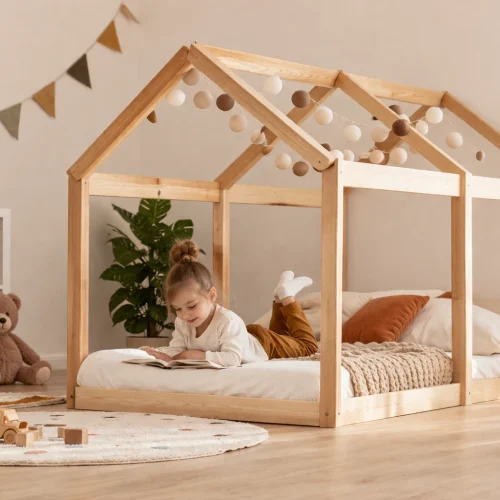
The bed is the soul of the bedroom, but in tight spaces, it can also feel like the enemy. I used to think bigger was better, but the moment I switched from a chunky wooden frame to a minimal metal one, the room practically exhaled. The lighter frame made the space feel airy instead of boxed in. Eventually, I even experimented with a low-profile floor bed, and although it felt unconventional at first, it transformed the room into something calm, simple, and soothing. It reminded me a bit of the Japanese tatami-style approach to sleeping useful for maximizing small spaces and keeping the environment peaceful. If you’ve never explored how tatami rooms structure small living areas, it’s fascinating and very intentional.
And storage beds? Life-changing. I once managed to eliminate an entire dresser simply by switching to a lift-up bed frame. It turned all that “dead space” underneath the mattress into beautifully hidden storage. Having a bed that also serves as a closet or linen cabinet sounds dramatic, but when space is tight, it just makes sense.
Floating Furniture: The Secret to Visually Expanding a Room
One of the quiet miracles of small-space design is floating furniture. The first time I installed a floating nightstand, I didn’t expect it to make such a difference but it instantly opened up the floor, which made the whole room feel bigger. There’s something magical about seeing the floor continue beneath something that would normally block the view. It tricks your mind into believing there’s more square footage than there actually is. Floating desks work the same way. In one particularly tiny bedroom, I mounted a compact floating desk under the window, and it served as both a work-from-home station and a makeup vanity. At the end of the day, the chair tucked neatly underneath, and suddenly the room felt clean and calm again. Even floating corner shelves can act as nightstands when the room is too tight for actual furniture. It’s like embracing the idea that furniture doesn’t always need legs to do its job.
Corner Beds: The Unexpected Layout That Just Works
I avoided corner beds for years because I assumed they were only for kids’ rooms or college dorms. But then I moved into a narrow rental with barely enough space to walk around the bed, and I finally pushed it into the corner out of sheer desperation. To my surprise, the entire room felt more usable and even more stylish because that one shift freed up so much floor space. Corner beds create a natural cozy nook, almost like a built-in feature that you can decorate around. With layered pillows, soft blankets, and maybe a small shelf overhead, the bed becomes a cocoon rather than an obstruction. It’s also one of the best ways to create flow in a long, narrow room where traditional layouts just look awkward. It’s funny how something I once dismissed ended up becoming one of my favorite small-space tricks.
Using Vertical Space Like It’s Prime Real Estate
When floor space disappears, walls become your best friend. I learned this the hard way in a bedroom so small that even opening the closet door felt like a strategic maneuver. That’s when I started using vertical space aggressively and the transformation was unbelievable.
Tall bookcases, shelving above doorways, high-mounted cabinets, and even vertical lighting can stretch the room visually while giving you storage you didn’t realize you had. This is especially important because small spaces often feel cluttered simply due to lack of storage planning. Interestingly, even the U.S. Department of Energy highlights that smart layout and efficient space planning can directly improve a home’s comfort and usability. Whether it’s tall wardrobes instead of wide ones, wall sconces instead of lamps, or shelves installed near the ceiling, using vertical areas wisely changes everything about how a tight bedroom looks and feels.
Multi-Purpose Furniture: The Unsung Heroes of Small Spaces
In a tight bedroom, every piece of furniture needs to earn its keep. If it can’t do more than one thing, I usually skip it. Multi-purpose pieces like storage ottomans, benches with cubbies, mirror cabinets, folding wall desks, or nesting tables keep the room functional without crowding it. One of my favorite pieces ever was a slim ladder-style shelf that doubled as a nightstand and a display rack. It fit into a space where no traditional piece could squeeze in, and yet it stored everything elegantly. Multi-purpose furniture also helps create a more intentional-looking bedroom because nothing looks like “extra clutter” when every piece has dual value.
Dividing the Room Without Closing It Off
Tight bedrooms often moonlight as something else: office, dressing room, or reading corner. And the best way to make a small room feel functional is to gently divide it into zones without building actual walls. The magic of zoning comes from subtle boundaries: rugs that anchor areas, plants placed strategically to section off a corner, open shelving used as a visual barrier, or even sheer curtains that add softness and separation without heaviness. In one tiny bedroom, I created a mini entryway simply by placing a narrow console behind the bed’s headboard. It wasn’t big, but it made the room feel thoughtfully arranged rather than cramped.
Mirrors: The Reliable Illusion-Makers
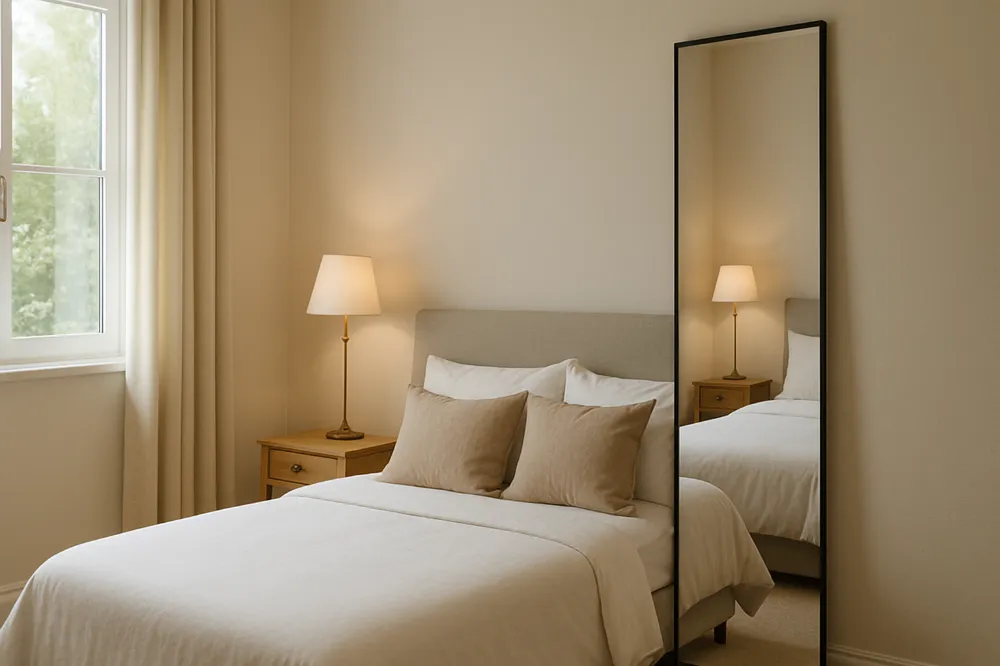
People always say mirrors make small rooms feel larger, and as much as I tried to resist the cliché, it’s absolutely true. But the trick isn’t owning a mirror it’s placing it correctly. Mirrors across from windows bounce natural light and instantly brighten the room. Mirrors behind lamps double the glow and soften shadows. Even a full-length mirror leaning casually against a wall can visually extend the room by a few feet. One of my favorite small-bedroom hacks was hanging a tall mirror beside the bed where sunlight hit it indirectly. Every morning, it created this gentle brightening effect that made the room feel more open, even though it hadn’t grown an inch.
Minimalism That Still Feels Warm
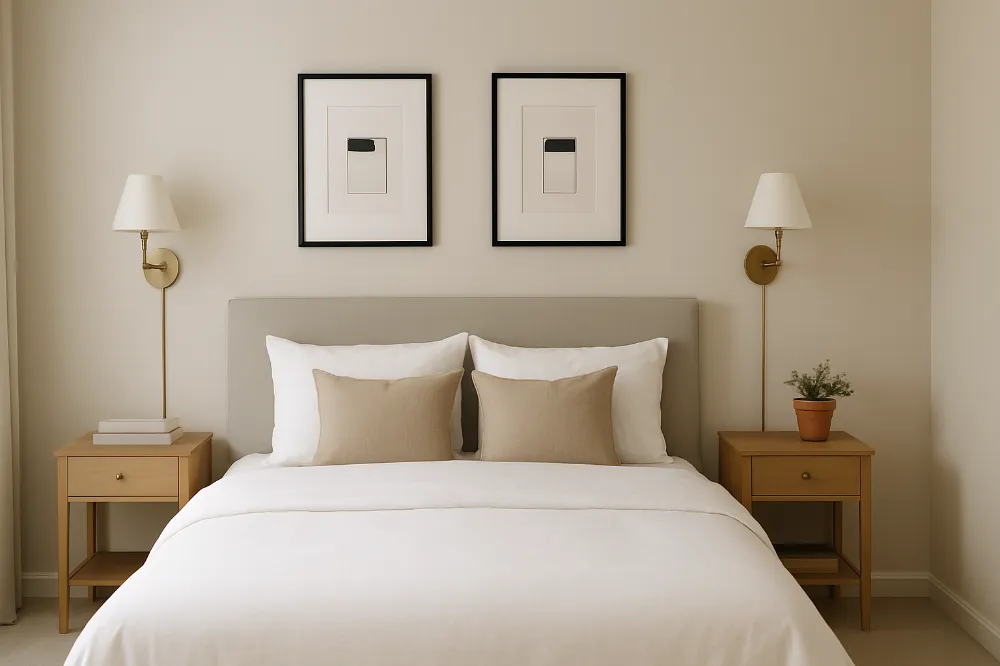
Minimalist design is often misunderstood. It doesn’t mean cold, empty, or sterile it means choosing things with intention. Small bedrooms look and feel best when the décor is edited, the palette is calm, and textures take center stage. I like combining soft bedding with warm wood tones, woven baskets, a couple of indoor plants, and one or two statement art pieces. The room stays simple, but not plain. Texture replaces clutter. And when the eye isn’t overwhelmed, the room feels bigger by default. The key is to keep the space breathable while still making sure it feels personal.
Making the Most of Overlooked Spots
Sometimes the most brilliant storage solutions come from places you barely notice: behind the door, beside the bed, under the window, inside the closet door, or under the bed. A slim organizer behind the door can hold hair tools, accessories, or skincare. A low-profile desk under a window can double as a vanity or workspace. The inside of a closet door can hold shoes, scarves, or everyday essentials. And under-bed storage especially drawers or rolling bins can hide a surprising amount without making the room feel stuffed. Once you start using these “micro” areas, the whole room becomes more functional. It’s amazing how much space you gain just by turning dead zones into purposeful storage.
Light and Color: Your Two Biggest Visual Tools
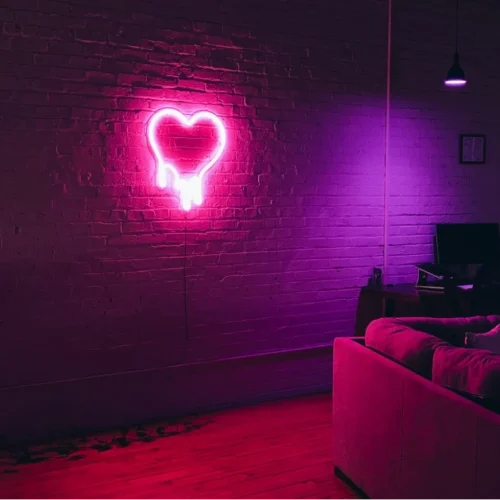
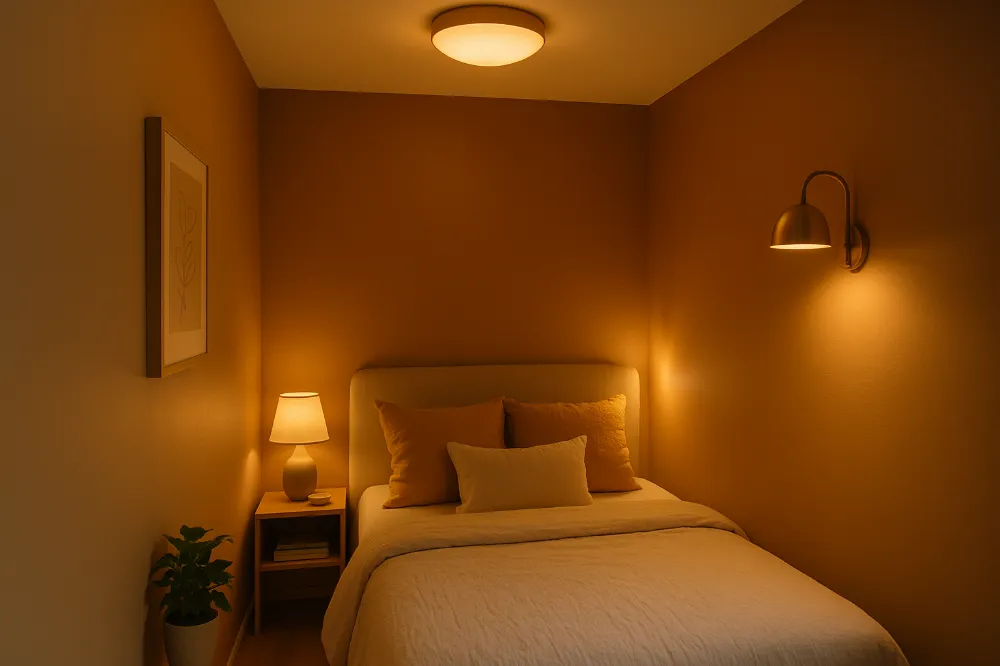
Small bedrooms rely heavily on good lighting. A single overhead light can make the room feel flat, but layered lighting warm lamps, sconces, indirect glow strips adds depth and comfort. I’ve learned that warm tones soften the room and make it feel welcoming, while cooler tones can sometimes make small rooms feel sterile or closed in. Color also plays a massive role. Light doesn’t have to mean white. Shades like soft sage, dusty blue, creamy beige, or pale clay can brighten a room while adding personality. One of my favorite tricks is painting the ceiling a slightly lighter shade than the walls. It creates an upward lift that subtly expands the room visually.
Symmetry for Calm and Balance
Even in a tight room, symmetry can make everything feel more grounded. Matching side lighting, evenly layered pillows, or similarly sized artwork on either side of the bed can instantly create a sense of balance. This doesn’t mean everything has to be perfectly mirrored, but alignment and harmony help the room feel organized instead of chaotic.
Editing and Decluttering: The Emotional Step
The toughest part of designing a tight bedroom is deciding what doesn’t belong. Small spaces demand honesty. It isn’t just about removing things it’s about creating space for what matters. I’ve learned to let go of unnecessary duplicates, old clothes, bulky décor, and anything that doesn’t genuinely improve my daily life. The moment the clutter disappears, the room feels larger without changing its size at all.
Final Thoughts: Creativity Flourishes in Small Spaces
Designing a small bedroom isn’t a limitation it’s an invitation to rethink what a bedroom should be. Tight spaces push you to be intentional, flexible, resourceful, and imaginative. When every item has a purpose and every corner is considered, your bedroom becomes something more than just a place to sleep. It becomes a retreat, a sanctuary, a puzzle solved beautifully. And sometimes, the smallest rooms turn out to be the ones that feel the most like home.
FAQs
Use light colors, layered lighting, mirrors, and minimal furniture to visually expand the space.
Corner beds or low-profile frames help open up the floor and improve flow.
Yes, storage beds help eliminate dressers and maximize hidden storage without adding clutter.
Try floating desks, window-mounted desks, or fold-down wall-mounted tables.
Large bulky dressers, oversized nightstands, and heavy bed frames that consume visual space.
Absolutely floating nightstands free up floor space and make the room feel less crowded.
Warm, layered lighting like sconces, table lamps, and LED strips softens shadows and adds depth.
Use clothing racks, tall wardrobes, under-bed storage, and over-door organizers.
Yes choose a few intentional pieces, add texture, and keep décor minimal and cohesive.
Use rugs, plants, open shelving, or sheer curtains to create soft zones without closing off the space.