
Exterior projects often disrupt daily life in ways that feel indirect yet persistent. Unlike interior work, which visibly takes over rooms, exterior updates interfere with habits people rarely think about until those habits stop working. The usual path to the front door changes. Outdoor noise cuts through concentration at unexpected moments. Even something as simple as stepping outside feels different once equipment, materials, and unfamiliar movement surround the home.
Coordinating exterior work without letting it dominate everyday life requires attention to how people actually use their home rather than how the project looks on paper. Morning routines, pet schedules, parking habits, deliveries, and quiet hours all intersect with exterior activity. When planning accounts for those lived details, exterior projects feel manageable. However, when it does not, even short timelines can feel exhausting.
Upper-Level Work
Work happening above the main living areas changes the atmosphere inside the home, whether homeowners expect it or not. Sound travels downward, vibrations pass through framing, and even light shifts as materials move across the roofline. Roofing projects, in particular, create a sense of presence that extends beyond noise. People notice it while working from home, holding conversations, or simply trying to relax in familiar spaces that suddenly feel unsettled.
Planning for this type of work works best when it acknowledges the impact instead of minimizing it. Choosing clear start times, understanding how long active work will last each day, and preparing interior routines around those hours helps reduce frustration. When homeowners work with experienced teams like Anytime Roofing Co, communication often becomes easier because expectations stay realistic from the beginning. Knowing when activity will peak and when quieter periods will follow allows daily life to adjust without constant disruption.
Property Prep
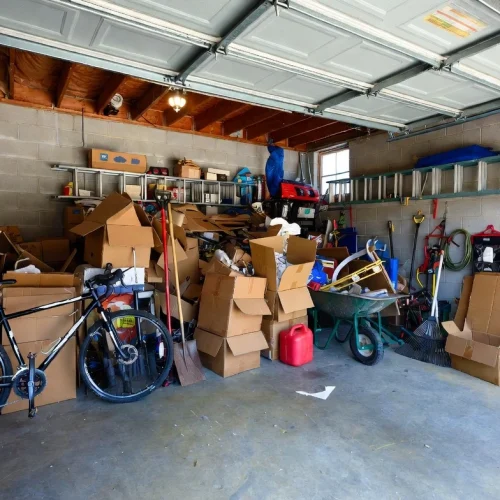
Preparing the property before exterior work begins reduces the number of daily decisions homeowners have to make once activity starts. Items left scattered around the yard tend to migrate awkwardly as crews work, creating visual clutter and practical obstacles that interfere with normal movement.
Clearing outdoor areas ahead of time creates space not only for workers but also for household routines. Walkways stay predictable. Entry points remain visible. Outdoor areas feel temporarily simplified rather than chaotic.
Project Order
When multiple exterior updates happen close together, the order in which they occur determines how disruptive they feel. Overlapping projects create congestion that affects access, parking, and safety. One task blocks another, and daily movement becomes a series of small detours.
Thoughtful sequencing reduces that strain. Completing one exterior task fully before another begins allows the household to adapt once rather than repeatedly. Materials arrive with purpose. Equipment stays contained. Progress feels linear instead of scattered.
Entry Protection
Entryways act as transition points between daily life and active work zones. When those areas remain exposed, disruption moves indoors quickly. Dust travels. Debris follows foot traffic. Doors feel harder to use, which affects everything from errands to deliveries.
Protecting entryways keeps that boundary intact. Temporary coverings, clear paths, and consistent access points allow daily routines to continue without constant cleanup. Entry protection supports a sense of normalcy because the home still feels accessible even while exterior work unfolds nearby.
Family Adjustments
Exterior projects introduce unfamiliar sounds, movements, and people into spaces that children and pets associate with safety. Without preparation, those changes can create confusion or anxiety that adds stress to the household. Planning for these adjustments keeps routines intact.
Setting expectations, adjusting schedules, and creating quiet zones inside the home help everyone adapt. Pets benefit from predictable spaces away from activity. Children respond better when they understand temporary changes rather than experiencing surprise disruptions.
Neighbor Communication
Exterior projects do not exist in isolation, even when the work stays within property lines. Sound travels, parking patterns change, and shared visual space becomes part of the experience for nearby homes. Without communication, even reasonable projects can create tension simply because neighbors feel unprepared for the disruption. A lack of awareness often creates frustration that has nothing to do with the work itself.
Proactive communication reduces uncertainty and prevents misunderstandings from forming. Letting neighbors know what to expect, how long the activity will last, and where the equipment will be placed sets a tone of respect. People tend to tolerate inconvenience better when they understand its purpose and duration.
Debris Control
Debris management influences daily life more than many homeowners anticipate. Piles of discarded materials, nails, packaging, and protective coverings quickly turn into obstacles that affect how people move around the property. If debris sits unmanaged, it creates visual stress and practical hazards that make everyday tasks feel heavier.
A controlled debris plan keeps movement predictable. Scheduled removal, designated drop zones, and regular cleanup prevent clutter from spreading into walkways and entry points. When debris stays contained, the home continues to function without constant navigation around hazards.
Safe Walkways
Walkways are essential to daily movement, connecting doors, driveways, yards, and side access points. Once those paths become unstable or blocked, routines unravel quickly. Exterior projects often interrupt these routes unintentionally, forcing people to adjust on the fly.
Maintaining safe walkways requires intention. Clear paths marked visually and kept free of loose materials allow movement to remain natural. Stable footing matters for everyone, especially during busy mornings or evenings.
Parking Plans
Parking changes often create the most immediate friction during exterior projects. Equipment vehicles, material deliveries, and worker transportation compete with household needs, deliveries, and guest access. Without planning, parking becomes a daily source of irritation rather than a temporary adjustment.
Designating parking areas ahead of time reduces confusion. Knowing where vehicles will be placed and how long they will remain prevents repeated disruptions. A defined parking plan allows homeowners to move through their day without constant negotiation around blocked driveways or unexpected obstacles. Predictability keeps stress from accumulating.
Progress Checks
Monitoring progress matters, yet hovering often disrupts workflow rather than improving outcomes. Constant observation can slow crews and increase tension without providing meaningful insight. Homeowners benefit most from staying informed without inserting themselves into every moment of activity.
Scheduled check-ins provide clarity without interference. Brief conversations about timelines, next steps, and any concerns maintain alignment while respecting the work process. Progress monitoring works best when it supports communication rather than control. Trust grows when expectations remain clear, and space exists for professionals to do their job efficiently.
Exterior work intersects with habits, movement, relationships, and routines in ways that are easy to underestimate. The disruption does not come from the project alone, but from how that project overlaps with everyday living. Homes function best when planning acknowledges that life continues alongside construction. Thoughtful coordination keeps disruption contained, routines intact, and stress levels manageable. Exterior projects become part of the background rather than the center of daily experience.
FAQs
By mapping work schedules around morning routines, work hours, pet needs, and access points, disruption can be reduced rather than ignored.
Noise, vibration, and light changes travel into living spaces, affecting focus and comfort even when the work stays outside.
Clearing yards, walkways, and entry areas ahead of time minimizes daily obstacles and prevents clutter from spreading.
Yes, completing one project at a time reduces congestion, limits repeated disruptions, and keeps progress feeling organized.
Temporary coverings and clearly defined paths help keep dust and debris from moving indoors and disrupting routines.
Setting expectations, maintaining routines, and creating quiet indoor zones helps reduce stress from unfamiliar noise and activity.
Yes, proactive communication builds goodwill and helps neighbors tolerate temporary noise, parking changes, or visual disruption.
Unmanaged debris quickly interferes with movement and safety, while regular cleanup keeps daily life functioning smoothly.
Designating clear, stable paths and keeping them free of materials allows normal movement without constant adjustment.
Scheduled check-ins provide updates and alignment without disrupting crews or creating unnecessary tension.