Gaps in walls and floors are a common issue in both new builds and older homes. Whether caused by natural settling, temperature changes, or imperfect installations, these gaps can affect both the appearance and functionality of a space. Fortunately, with the right techniques and materials, you can achieve a clean, polished look without extensive renovations.
Common Causes of Gaps in Walls and Floors
Before fixing gaps, it’s important to understand why they occur. In many cases, structural movement is the main reason. Buildings naturally expand and contract due to changes in temperature and humidity, which can create small openings over time.
Other causes include poor installation, aging materials, and everyday wear and tear. Flooring materials like wood are particularly prone to shifting, while walls may develop cracks or separations around frames and edges.
Identifying the root cause helps you choose the most effective solution and prevent the issue from recurring.
Simple Solutions for Walls and Frames
Gaps around walls, doors, and window frames are among the most noticeable. These can make a room look unfinished and may even let drafts or dust in.
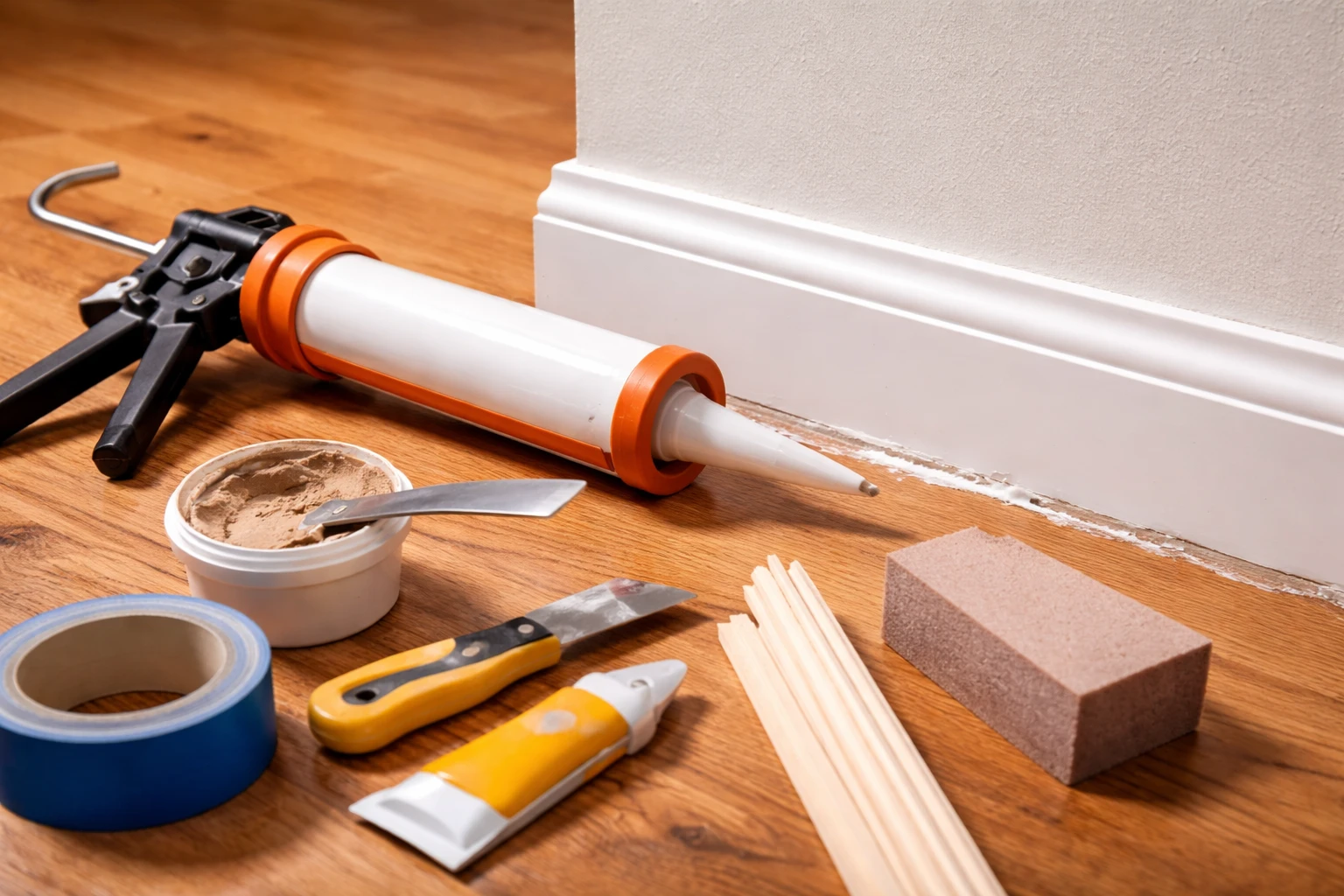
One of the most effective approaches is concealing gaps between the wall and the frame by using caulk or filler. These materials are easy to apply and can create a smooth, seamless finish once painted over.
For larger gaps, decorative trims or mouldings can be used to both hide imperfections and enhance the overall design. This method combines practicality with style, making it a popular choice in modern interiors.
Fixing Gaps in Flooring
Floor gaps can be particularly frustrating, especially when they disrupt the visual flow of a room. The solution depends on the type of flooring you have. For wooden floors, flexible fillers or wood strips can be used to close gaps while allowing for natural movement. In laminate or tile flooring, sealants and matching fillers help create a uniform appearance.
In some cases, installing skirting boards or beading can effectively cover expansion gaps while adding a decorative element to the space.
Choosing the Right Materials and Tools
Selecting the right materials is key to achieving long-lasting results. Common options include:
- Caulk: Ideal for small gaps and flexible areas
- Wood filler: Suitable for wooden surfaces and floorboards
- Sealants: Great for areas exposed to moisture
- Trim and moulding: Best for covering larger or uneven gaps
Using high-quality tools and materials ensures a professional finish and reduces the need for frequent repairs.
Preventing Gaps from Reappearing
Once you’ve fixed the gaps, taking steps to prevent them from returning is just as important. Maintaining consistent indoor temperature and humidity levels can help minimize expansion and contraction.
Regular inspections also allow you to catch small issues before they become larger problems. Proper installation techniques and quality materials play a crucial role in ensuring long-term durability.
Final Thoughts
Concealing gaps in walls and floors doesn’t have to be complicated. With the right approach, you can restore a seamless and visually appealing finish to your home. By understanding the causes, choosing appropriate solutions, and taking preventive measures, you can maintain a clean and polished interior that stands the test of time.
FAQs
Gaps are usually caused by natural building movement, temperature changes, humidity fluctuations, or poor installation.
Most small gaps are cosmetic, but they can allow drafts or dust in if left untreated.
Caulk is typically the best option because it’s flexible, easy to apply, and blends well after painting.
You can use wood filler or insert thin wood strips to close gaps while still allowing for natural expansion.
Yes, especially if the underlying cause like humidity or structural movement isn’t addressed.
Trim or moulding works best for larger or uneven gaps where fillers alone won’t create a clean finish.
Not always—many are normal due to material expansion, but large or growing gaps may need professional inspection.
Basic tools include a caulking gun, putty knife, sanding block, and appropriate filler or sealant.
Maintain consistent indoor humidity and temperature, and ensure proper installation of materials.
Most small to moderate gaps can be DIY projects, but extensive or structural issues are best handled by a professional.