Bathrooms are some of the most used spaces in a home, which makes them prone to a wide range of problems. Even minor issues can escalate if ignored, affecting both comfort and property condition.
Leaks, surface damage, ventilation problems, and plumbing failures are common, but with careful attention, most can be prevented.
Seasonal changes and daily use often reveal hidden weaknesses, making regular checks valuable. Homeowners who understand the types of problems that can occur are better prepared to act before issues become costly or hazardous.
Signs of Water Problems
Water damage is one of the most common issues in bathrooms.
Leaks from pipes, faucets, or shower units can go unnoticed for some time, creating hidden damage behind walls or under floors. Homeowners should pay attention to telltale signs of water damage in your bathroom, such as darkened walls, warped flooring, bubbling paint, or persistent damp smells. Even small leaks can encourage mold growth and compromise structural integrity if left unaddressed.
Acting early, such as tightening pipe connections, replacing worn seals, or installing drip pans, often prevents more extensive repairs. Checking water supply lines and inspecting areas under sinks regularly can reveal problems before they become emergencies.
Bathrooms face risks from minor overflows or splashes that are ignored over time. Shower bases, bathtubs, and sinks may appear dry on the surface, and water slowly seeps into grout or caulking.
Monitoring water levels and addressing small leaks quickly helps protect the home’s interior and keeps surfaces in good condition.
Ventilation and Water Challenges
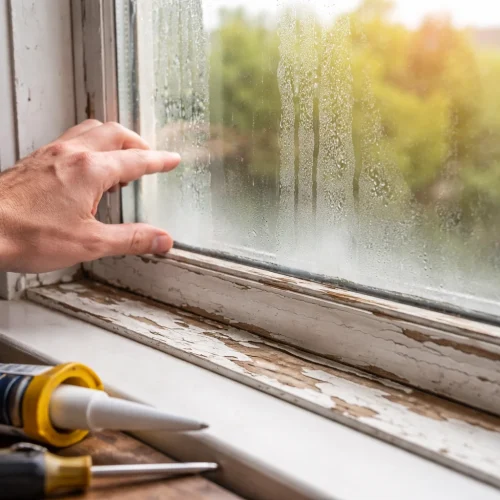
Many bathroom problems stem from inadequate ventilation. Poor airflow allows condensation to build up on walls, ceilings, and mirrors, which can lead to mildew, mold, or peeling paint.
Installing or upgrading exhaust fans is an effective way to remove excess water and maintain air circulation. Fans should be cleaned regularly to keep them operating efficiently.
Windows can provide ventilation in some bathrooms, but relying solely on them may not prevent water accumulation in colder or humid climates.
Regularly checking surfaces for signs of lingering dampness or musty odors helps identify areas that require attention. Controlling water prevents damage to paint, woodwork, and fixtures, and keeps the space comfortable.
Using water-absorbing products like dehumidifiers or silica gel packs can further reduce excess humidity in vulnerable areas.
Sealing grout lines and caulking around tubs and sinks helps prevent water seepage that can lead to structural issues. Guaranteeing proper insulation behind walls and ceilings can minimize condensation in colder months.
Strategically placing towels, rugs, and shower curtains to allow airflow aids in faster drying and reduces mold growth. Maintaining a routine cleaning schedule targeting water-prone areas supports long-term durability and a healthier bathroom environment.
Plumbing and Fixture Concerns
Plumbing issues are another frequent source of bathroom problems. Faucets, showerheads, and pipes may drip, corrode, or develop leaks.
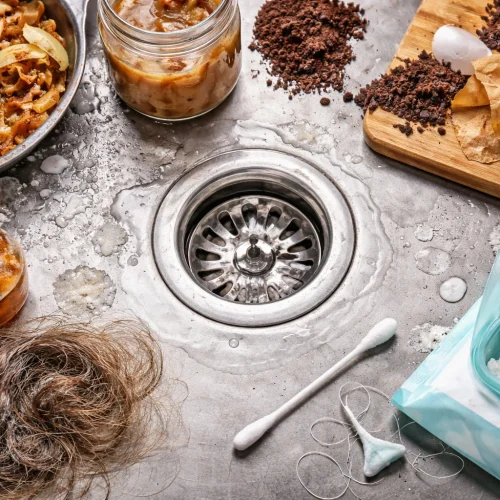
Slow drains often result from buildup in pipes and can eventually lead to backups. Toilets with running water or faulty seals waste water and may damage the flooring if left untreated.
Routine checks and small repairs often prevent larger issues. A seasonal maintenance list might include:
- Clearing clogged drains using safe cleaning methods
- Replacing worn faucet washers and seals
- Checking for leaks under sinks and around toilets
- Inspecting visible pipes for corrosion, cracks, or loose connections
- Testing water pressure and adjusting valves when needed
Following a checklist helps keep plumbing and fixtures functioning correctly and prevents unexpected damage.
Surface Wear and Damage
Tiles, grout, and caulking endure constant exposure to water and cleaning products, which can lead to cracks, stains, and deterioration. Damaged tiles or eroded grout allow water to penetrate walls or floors, potentially causing structural damage.
Replacing cracked tiles and reapplying caulk helps prevent leaks. Daily cleaning routines remove soap scum, mineral deposits, and bacteria that can accelerate wear.
Homeowners should inspect grout lines, edges around bathtubs, and sink perimeters to identify small issues early. Maintaining surfaces prolongs their lifespan and preserves the appearance of the bathroom.
Using gentle, non-abrasive cleaning products protects surfaces from unnecessary scratches and discoloration.
Applying a grout sealer after cleaning can provide an extra layer of protection against water and stains. Repairing or replacing damaged fixtures, such as faucets and showerheads, prevents leaks that could further harm surrounding surfaces.
Incorporating mats or liners in high-use areas reduces direct wear on tiles and prevents slipping hazards. Periodic professional inspections can catch hidden damage, guaranteeing long-term durability and a polished, well-maintained bathroom.
Electrical and Safety Considerations
Bathrooms contain water and electricity, making safety a priority. Loose wiring, faulty outlets, or broken lights can pose risks. Installing ground fault circuit interrupters (GFCIs) and checking electrical systems regularly helps prevent accidents.
Simple tasks, such as replacing burned-out bulbs, testing switches, and confirming that all outlets work properly, improve safety.
Keeping electrical elements well-maintained protects both people and property. Safety checks complement other maintenance tasks, guaranteeing a well-functioning bathroom environment.
Guaranteeing that all electrical cords and devices are kept away from water sources reduces the risk of shocks or short circuits. Updating outdated wiring or fixtures can prevent potential hazards and improve energy efficiency.
Installing night lights or motion-sensor lighting improves visibility and reduces the chance of slips or falls. Properly securing wall-mounted lights and exhaust fans prevents accidental dislodging or damage during use.
Regularly reviewing safety guidelines and emergency procedures reinforces safe habits and keeps the bathroom a secure space for everyone.
Planning for Long-Term Care
Proper bathroom maintenance involves combining cleaning, water control, and regular inspections.
Paying attention to plumbing, surfaces, and ventilation can prevent the most common problems. Seasonal reviews help homeowners catch early signs of leaks, water damage, or wear, reducing repair costs and keeping the bathroom fully usable.
Maintaining a list of tasks and checking each item every few months simplifies upkeep. Small, consistent actions preserve the integrity, functionality, and comfort of the space.
Maintaining Value and Comfort
A bathroom that is free from leaks, mold, and functional problems adds value and convenience to a home.
Fixing leaks, updating fixtures, and addressing surface wear improve both usability and aesthetics. Homeowners who respond to early warning signs avoid costly repairs and preserve the space for daily use.
Regular upkeep keeps the room safe, hygienic, and visually appealing. Addressing common problems proactively guarantees the bathroom remains a reliable and pleasant area for years to come.
FAQs
Leaks, poor ventilation, plumbing issues, surface damage, and electrical concerns are among the most common bathroom problems.
Signs include damp or musty odors, warped flooring, bubbling paint, darkened walls, or unexplained mold growth.
Good ventilation reduces moisture buildup, which helps prevent mold, mildew, peeling paint, and long-term structural damage.
Slow drains are usually caused by buildup from hair, soap residue, and debris inside pipes over time.
Basic visual checks should be done monthly, while a more thorough inspection is recommended seasonally.
Yes, damaged grout or tiles allow water to seep behind surfaces, potentially causing hidden structural issues.
GFCI outlets, properly sealed light fixtures, and well-maintained wiring are essential for bathroom safety.
Using an exhaust fan, dehumidifier, and sealing grout and caulk can significantly reduce excess moisture.
Even minor leaks can lead to mold growth, water damage, and higher repair costs if ignored.
Consistent cleaning, regular inspections, prompt repairs, and proper ventilation are key to long-term bathroom care.