The Australian commercial property sector continues to grow at a remarkable pace. From retail centres and industrial warehouses to office complexes and logistics hubs, the demand for quality construction services has never been higher.
Successful commercial projects require careful coordination of multiple specialized trades. Property owners and developers must understand which services are essential at each stage of construction and maintenance.
This guide explores three critical services that form the backbone of commercial property development. Whether you are building from scratch or upgrading an existing facility, these services play a vital role in project success.
Understanding the Commercial Construction Landscape
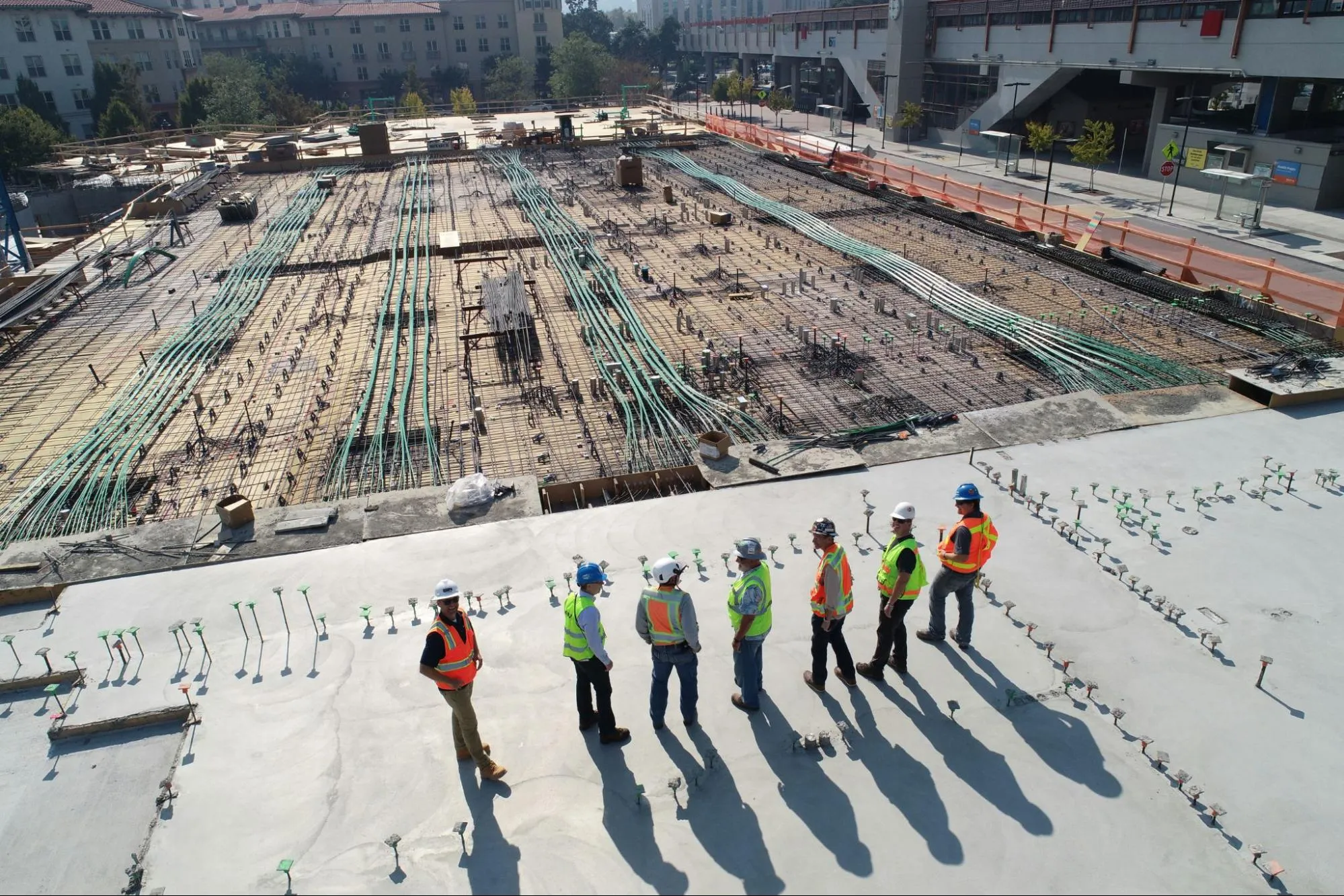
Australia’s construction industry contributes significantly to the national economy. Commercial projects account for a substantial portion of this activity, driving demand for skilled contractors and quality materials.
The complexity of commercial builds demands expertise across multiple disciplines. Foundation work, structural installations, surfacing, and ongoing maintenance all require specialized knowledge and equipment.
Property developers face unique challenges when managing large-scale projects. Tight deadlines, budget constraints, and regulatory compliance create pressure that only experienced contractors can handle effectively.
Choosing the right partners for each phase of construction is crucial. Poor decisions early in a project can lead to costly delays and compromised structural integrity down the line.
The Importance of Quality Surfacing Solutions

First impressions matter in commercial real estate. The exterior appearance of a property influences customer perception and can impact business success directly.
Parking lots, driveways, and access roads are often the first elements visitors encounter. These surfaces must be durable, safe, and visually appealing to create the right impression.
Working with experienced commercial asphalt contractors ensures your surfacing projects meet professional standards. Quality contractors bring expertise in material selection, proper installation techniques, and long-term maintenance planning.
Commercial asphalt applications differ significantly from residential work. Higher traffic volumes, heavier vehicle loads, and larger surface areas require specialized approaches and commercial-grade materials.
Proper drainage is essential for any commercial paving project. Without adequate water management, surfaces deteriorate quickly and create safety hazards for pedestrians and vehicles alike.
The Australian climate presents unique challenges for asphalt installations. Extreme heat, heavy rainfall, and temperature fluctuations demand materials and techniques suited to local conditions.
Regular maintenance extends the lifespan of commercial asphalt surfaces significantly. Sealcoating, crack repair, and timely resurfacing protect your investment and maintain professional appearances.
Foundation Systems That Support Commercial Success
Every successful commercial structure begins with a solid foundation. The foundation system you choose affects building stability, construction timelines, and overall project costs.
Traditional concrete foundations work well in many situations. However, challenging soil conditions, tight schedules, or environmental considerations often call for alternative solutions.
Modern foundation technology has revolutionized commercial construction practices. Innovative systems now offer faster installation, reduced environmental impact, and superior performance in difficult conditions.
Australian Made Screw Piles represent one such advancement in foundation technology. These systems provide reliable structural support while offering significant advantages over traditional methods.
Screw pile foundations install quickly with minimal site disturbance. This speed translates to shorter project timelines and reduced labour costs for commercial developers.
The versatility of screw pile systems suits various commercial applications. Warehouses, retail buildings, signage structures, and equipment platforms all benefit from this foundation approach.
Load-bearing capacity is a critical consideration for commercial foundations. Quality screw pile systems are engineered to handle the substantial loads commercial structures demand.
Australian conditions require foundation solutions designed for local challenges. Expansive soils, flood-prone areas, and remote locations all present obstacles that modern pile systems can overcome.
Choosing locally manufactured foundation products supports Australian industry. Domestic production also ensures products meet Australian standards and are readily available when needed.
Renovation and Upgrade Considerations
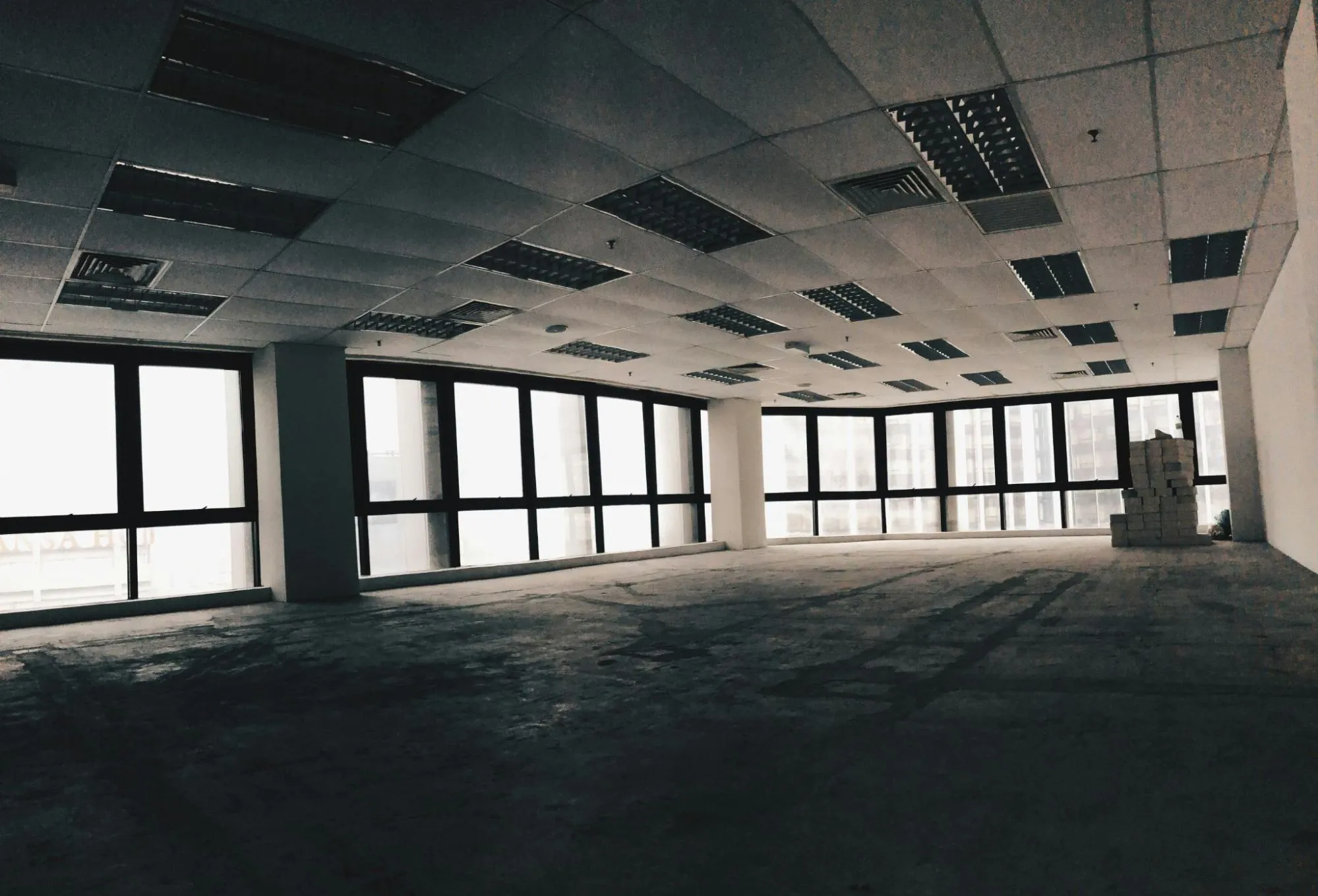
Commercial properties require periodic updates to remain competitive. Renovation projects present unique challenges that differ substantially from new construction work.
Existing structural elements often complicate renovation efforts. Anchor bolts, embedded fixtures, and concrete installations from previous builds may obstruct new development plans.
Removing old structural components requires specialized equipment and expertise. Improper removal techniques can damage surrounding concrete and compromise structural integrity.
Professional concrete anchor removal services address these challenges efficiently. Experienced technicians use precision methods to extract anchors without causing collateral damage.
Anchor removal is commonly needed during equipment upgrades and facility reconfigurations. Manufacturing plants, warehouses, and retail spaces frequently require this service during modernization projects.
The process demands an understanding of various anchor types and installation methods. Different anchors require different removal approaches to achieve clean, damage-free results.
Safety considerations are paramount during anchor removal operations. Professional contractors follow strict protocols to protect workers and preserve structural elements.
Attempting anchor removal without proper expertise risks serious problems. Cracked concrete, damaged rebar, and compromised load-bearing capacity can result from improper techniques.
Coordinating Multiple Trades for Project Success
Large commercial projects involve numerous contractors working in sequence. Effective coordination between trades prevents delays and ensures quality outcomes throughout the build.
Foundation work must be completed before structural elements can proceed. Surfacing typically occurs later in the project timeline, after building construction is substantially complete.
Clear communication between project stakeholders is essential. Regular meetings, detailed schedules, and responsive project management keep all parties aligned and informed.
Experienced commercial contractors understand their role within larger projects. They coordinate their activities to complement other trades and maintain overall project momentum.
Selecting the Right Contractors for Your Project
Contractor selection significantly impacts project outcomes. Taking time to evaluate potential partners pays dividends throughout construction and beyond.
Relevant experience should be a primary selection criterion. Contractors with proven track records on similar projects bring valuable insights and reliable performance.
Licensing, insurance, and safety records require careful verification. These factors protect property owners from liability and indicate professional operational standards.
References from previous clients provide valuable perspective. Speaking with past customers reveals how contractors perform under real project conditions.
Planning for Long-Term Property Performance
Commercial properties represent substantial investments requiring ongoing attention. Proactive maintenance preserves asset value and prevents costly emergency repairs.
Establishing relationships with reliable service providers benefits property owners. Familiar contractors understand your property’s specific needs and can respond quickly when issues arise.
Regular inspections identify potential problems before they escalate. Addressing minor issues promptly prevents them from developing into major structural concerns.
Budget planning for maintenance and eventual upgrades is wise practice. Setting aside funds for property improvements ensures resources are available when needed.
Conclusion
Commercial property development and maintenance demand expertise across multiple specialized disciplines. From foundations to surfacing to renovation services, quality contractors are essential partners in property success.
Australian commercial property owners have access to world-class service providers. Choosing experienced, reputable contractors ensures projects meet professional standards and deliver lasting value.
Investing in quality construction services protects your property investment. The decisions you make during construction and maintenance directly impact long-term property performance and value.
Take time to research and select the right partners for your commercial property needs. The effort invested in finding quality contractors pays returns throughout the life of your property.
FAQS
Commercial projects typically require foundation systems, quality surfacing solutions, and specialized renovation or maintenance services to ensure long-term performance.
Commercial builds involve interdependent phases, and poor coordination can cause delays, cost overruns, and compromised structural outcomes.
Commercial asphalt must withstand heavier traffic loads, larger surface areas, and stricter safety requirements compared to residential applications.
Proper drainage prevents water damage, surface deterioration, and safety hazards caused by pooling or erosion.
Expansive soils, flood-prone sites, and remote locations often require foundation systems designed specifically for Australian conditions.
Alternative systems are often chosen when faster installation, reduced site disruption, or challenging soil conditions make conventional foundations less practical.
Upgrades and reconfigurations often involve removing obsolete or misplaced anchors that interfere with new equipment or layouts.
Incorrect techniques can crack concrete, damage reinforcement, and compromise the structural integrity of the building.
Owners should review relevant experience, licensing, insurance, safety records, and client references before making a selection.
Proactive maintenance protects asset value, reduces unexpected repair costs, and extends the lifespan of structural and surface elements.