Selecting the right hot tub for your outdoor space involves more than just picking a design. It requires careful thought about size, materials, features, and long-term maintenance. A well-chosen model can transform your backyard into a relaxing retreat while fitting your lifestyle and space perfectly.
Assessing Your Space and Layout
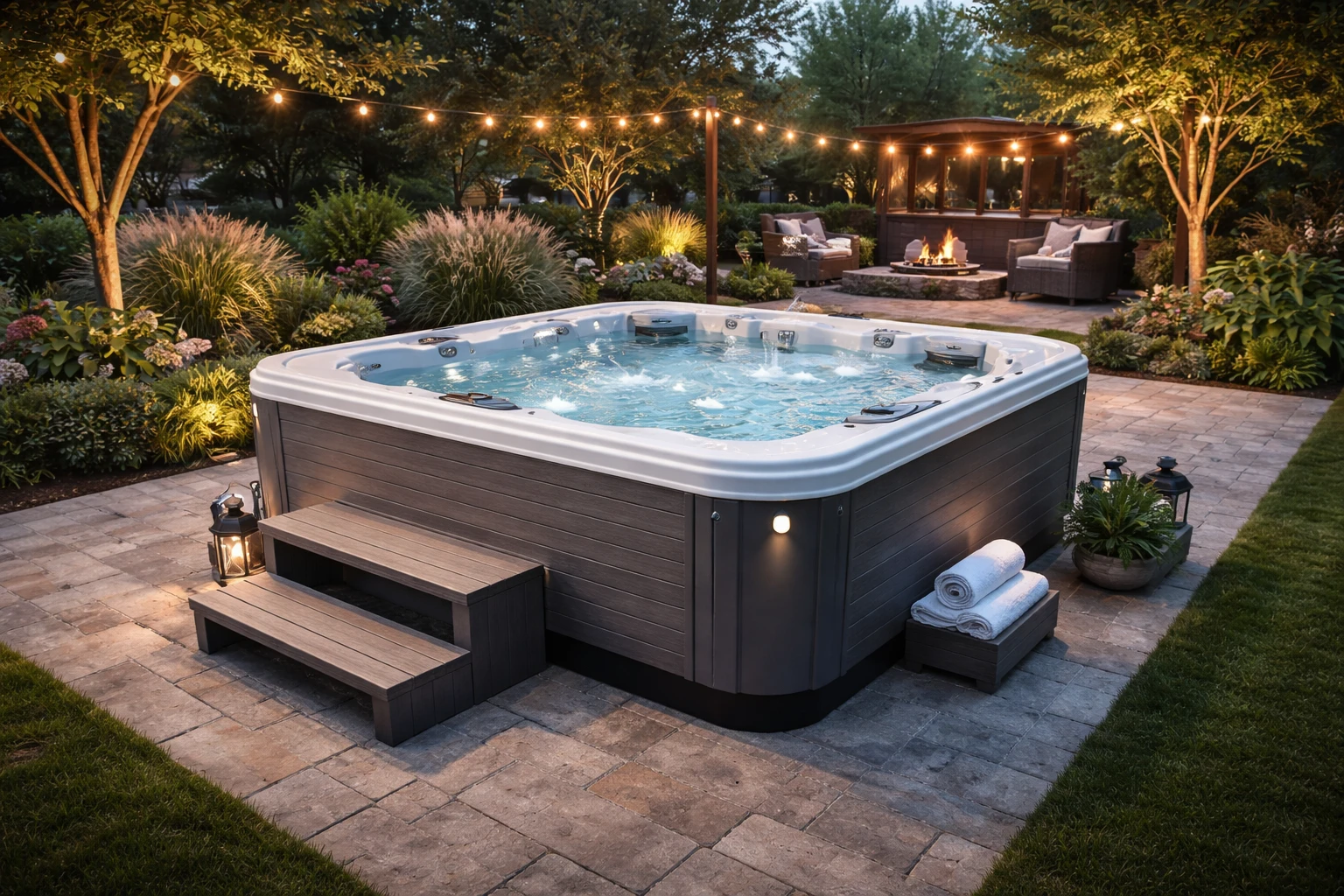
Before browsing models, measure your available area. Consider access points, privacy, and how the hot tub will integrate with existing landscaping or decks. Think about how many people will use it regularly. A compact unit may suit a quiet couple’s retreat, while a larger design can accommodate family or friends comfortably.
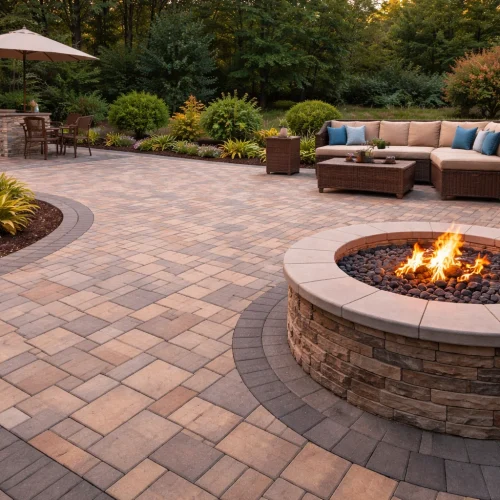
Also, evaluate the ground surface. A level, reinforced base such as a concrete pad or paver foundation helps ensure stability and safety. Proper drainage prevents water accumulation that could damage both the tub and surrounding area.
Determining the Best Size and Capacity
The number of seats directly affects comfort and water volume. Smaller models typically hold two to four people, while larger ones can fit six or more. Remember that higher capacity increases energy consumption and water use. Choose a size that balances relaxation with practicality for your household.
Evaluating Construction and Materials
Quality materials extend the lifespan of your investment. Acrylic shells are popular for their durability and smooth finish, while rotomolded options offer affordability and lighter weight. Insulation quality also matters, as it influences heating efficiency and energy costs over time.
Exterior Cabinet and Cover Options
The exterior cabinet should complement your backyard design. Look for weather-resistant finishes that require minimal upkeep. A well-fitted cover retains heat, keeps debris out, and improves safety when the tub is not in use.
Understanding Jet Systems and Comfort Features
Jets vary in power, placement, and type. Adjustable jets allow you to customize the massage experience for different muscle groups. Some systems emphasize full-body relaxation, while others target specific areas like the back or legs. Features such as ergonomic seating, lighting, and waterfall elements add to overall enjoyment.
Energy Efficiency and Maintenance
Energy efficiency is an important factor in choosing a sustainable hot tub. Look for models with multi-layer insulation, efficient heaters, and programmable controls. Regular maintenance such as filter cleaning and water balancing helps preserve water clarity and equipment longevity.
Modern filtration systems simplify upkeep by keeping the water clean with minimal effort. Energy-efficient pumps and insulated covers can significantly reduce operating costs throughout the year.
Considering Climate and Usage Frequency
Local climate affects how often and efficiently you use your tub. In colder regions, superior insulation and an energy-smart heater are essential. For milder climates, ventilation and shade become more important. These considerations ensure year-round comfort and lower utility expenses.
Budget Planning and Long-Term Value
Set a realistic budget that includes the purchase price, installation, and ongoing costs such as electricity and maintenance supplies. While a lower upfront price may be appealing, higher-quality components often provide better reliability and performance over time.
Exploring Options for a Balanced Choice
Comparing different models is a practical way to find the best fit for your needs. Exploring a calgary hot tub selection can help you understand how various designs adapt to different spaces and climates. Evaluate comfort, efficiency, and style before making your decision.
For general inspiration and expert information on styles, maintenance, and setup, you can browse resources focused on the hot tub experience. Choosing wisely ensures that your backyard becomes a welcoming space for relaxation and connection for years to come.
FAQs
Measure your available space and consider how many people will regularly use the tub. A smaller unit works well for couples, while larger models are better for families or entertaining guests.
A hot tub should sit on a solid, level surface such as a concrete pad, reinforced deck, or paver foundation to ensure stability and safe operation.
Acrylic shells are widely considered the most durable and long-lasting option, while rotomolded tubs are lighter and often more budget-friendly.
Insulation plays a major role in energy efficiency by helping the tub retain heat and reducing the cost of maintaining water temperature.
Look for adjustable jets and varied jet placement so you can target different muscle groups and customize your massage experience.
Basic maintenance such as cleaning filters and balancing the water usually needs to be done weekly, while deeper cleaning may be required every few months.
Yes, colder climates require stronger insulation and efficient heaters, while warmer regions may benefit from ventilation and shaded placement.
Energy-efficient models often cost more upfront but can significantly reduce electricity expenses over time.
Your budget should cover the tub itself, installation, electrical setup, water care supplies, and ongoing energy costs.
Review specifications such as capacity, insulation, jet types, and warranty details while also considering how the design fits your backyard space and lifestyle.