A peaceful home should help you slow down and disconnect from stress. But in today’s digital world, that balance is harder to protect. Homes in Tampa and across the country are filled with screens, alerts, and constant online activity.
Technology brings convenience, but it also creates pressure and mental noise. Work, entertainment, messages, and tasks all take place under one roof. One frozen video call or late notification can interrupt the entire mood at home.
A calm home does not mean removing technology. It means using it in a way that supports comfort and simplicity. With small changes, you can build a stress-free home that feels lighter and more organized.
Keep reading to see how you can turn your home into a calmer and more balanced place.
1. Build Reliable Home Infrastructure
Stress often begins when daily tasks get interrupted. Poor connection slows down work. Devices struggle to connect. Calls drop. These issues build frustration over time. Therefore, many households now rely on consistent and stable connectivity to avoid these problems. In many homes, families choose a fiber internet provider in Tampa to support remote work, online school, entertainment, or smart devices. A dependable internet provider like Frontier helps everything run smoothly.
Reliable infrastructure protects peace in the home. When technology works, you do not have to worry about delays or interruptions. You get the freedom to focus on what matters. That means smooth video calls, simple streaming, and faster responses. It also supports smart appliances and security systems without stress. When the basics are stable, the whole home feels calmer and easier to manage.
Small improvements also help:
- Check the router location.
- Use mesh networks in larger homes.
- Reduce devices on a weak signal.
A strong foundation sets the tone for everything else at home.
2. Reduce Digital Overload at Home
Technology is part of everyday life, but too much of it can drain your energy. Notifications, messages, and long hours on screens provoke a constant feeling of urgency. Reducing digital overload is one of the fastest ways to create calm.
Start with small boundaries:
- Turn off non-essential alerts.
- Use screen time reminders.
- Limit personal phone use during family time.
- Create “no-screen” corners.
These changes are simple but powerful. They tell your brain to slow down. When screens are not always demanding attention, you breathe easier. A calmer home is built on fewer digital interruptions.
Try scheduling short breaks from screens. Even ten minutes of rest helps. The goal is balance, not restriction.
3. Create Spaces That Support Calm
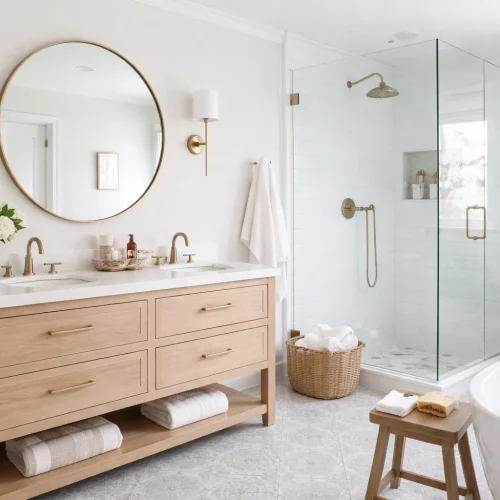
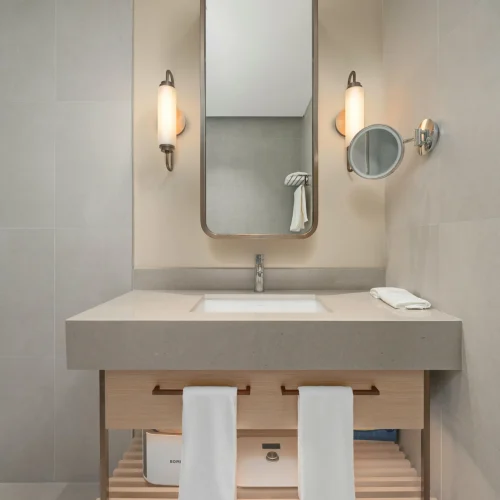
The design of a home affects how you feel. A cluttered room can make your mind feel crowded. A clean and open layout gives space to relax. Your environment speaks to your emotions. When the home is organized, your thoughts become clearer.
Simple ideas to support calm:
- Create one space only for work.
- Keep rest areas free from devices.
- Use storage to hide visual clutter.
- Let natural light flow through rooms.
You do not need a perfect interior. You only need thoughtful spaces. Design with intention. Choose what stays visible and what does not. The result is a home where the mind can rest.
These changes also help movement. You walk freely. You do not struggle through piles of things. Small improvements make the space feel calm instead of chaotic.
4. Use Technology in Helpful Ways
Technology should help, not control. When used well, digital tools actually reduce stress. They save time and prevent small tasks from becoming major problems. Instead of struggling against technology, use it to build simplicity.
Helpful digital habits include:
- Automatic bill payments
- Online calendars for family scheduling
- Smart security alerts
- Grocery delivery apps
- Voice assistants for reminders
These tools reduce mental load. They support daily routines and remove the pressure of remembering everything. They also give structure when the day gets busy. Technology becomes a partner, not a distraction.
Another useful trick is setting limits on work systems. Use quiet hours. Separate personal and professional devices when possible. This creates boundaries between life and work.
5. Build Daily Habits That Keep Life Simple
A stress-free home develops over time. Not overnight. The strongest homes use routines to keep life organized. Habits help prevent stress from building up.
Start with a few:
- Clean small spaces regularly
- Organize items you use every day
- Keep chargers and cables in one place
- Set work boundaries
- Place devices where they belong
These simple habits protect your energy. They also keep the home clean and predictable. Aging devices and messy corners are small stress triggers. Structure brings peaceful living.
A routine keeps the home running smoothly. Everyone knows what to do and what to avoid. Life becomes easier.
Conclusion
A peaceful home does not ask you to disconnect from the digital world. It simply asks for balance. With good infrastructure, less screen overload, smart organization, and gentle habits, the home becomes lighter and calmer. Technology stays helpful instead of overwhelming. Spaces stay organized and easy to manage. A stress-free home is a place where routines work, moments are clear, and daily life feels manageable.
It is not about changing everything at once. It is about choosing a few ideas that make life easier. When the home supports peace, daily stress loses its power even in a digital world.
FAQs
When used intentionally, technology simplifies daily tasks, reduces mental load, and increases household efficiency.
Constant notifications, multitasking, and unreliable internet connections often create pressure and overwhelm.
Stable connectivity prevents interruptions during work, communication, and entertainment, making daily routines smoother.
Turning off non-essential alerts, creating no-screen spaces, and scheduling screen breaks help reduce mental fatigue.
Decluttered, well-lit, and intentionally organized spaces promote calmness and make rooms feel easier to enjoy.
Not necessarily. Simply limiting device presence or usage in rest zones helps create healthier boundaries.
Smart calendars, automatic bill payments, delivery apps, and voice assistants reduce the need to remember small tasks.
Consistent routines like tidying, organizing, and managing devices reduce clutter and chaos that lead to stress.
Start by reducing unnecessary notifications and decluttering one frequently used space.
Set shared rules for screen use, establish quiet hours, and create device-free times to support connection and calmness.