Have you ever looked at your electric bill and said to yourself, “Wait… how?” You are not alone. Slowly but surely our energy bills creep up one appliance or bad habit at a time. Or maybe you forgot to turn off that light. Or that light. Nature has also been trying to remind us as well. Thanks to global warming we are experiencing: warmer summers, colder winters, crazy inconsistent weather.
There’s good news though. You don’t have to go off grid and live in a cave to help change that. Becoming more energy efficient is as easy as investing in a few smart home devices that not only will save you money but also your carbon footprint. And you don’t have to sacrifice all of your creature comforts.
Take comfort in knowing that a smart home can help you live a wasteful life.
Start With the Brain: Smart Thermostats
If your house had a master control on energy usage, your thermostat would be it. Heating and cooling make up the largest portion of your energy spend, and even minor changes can make a difference.
Smart thermostats get to know your routines and schedule. They lower the temp when you sleep or leave the house, and resume comfort settings before you wake up or return. You’ll never heat an empty house again. Or forget to turn down the temp.
There are even models that can adjust automatically based on the weather forecast, or monitor how long it takes your home to heat/cool. The best part is they continue to learn and make automatic adjustments to save you energy – without you having to think about it.
It’s one of those small investments that pays dividends every month.
Lighting That Thinks for You
Lighting may seem insignificant but when you add up all the lights it can make a big difference. Smart bulbs and switches allow you to control lights from anywhere, schedule them, or activate with motion sensors so lights aren’t on when no one is using the room.
Installing LED smart lighting will decrease your electricity usage significantly. Throw in some automation and you’ll save even more. Lights shut off if you leave the room. Outdoor lights turn on and off with sunset and sunrise. Your bedroom lights slowly dim at night syncing with your circadian rhythm while conserving energy.
It’s energy efficient, convenient, and honestly once you start using them it feels weird just flipping switches.
Smart Plugs: The Hidden Energy Fix
Did you know homes have something called standby power? It’s the draw from electronics that are turned off, but still plugged into the wall.
Televisions, video game consoles, microwaves, phone chargers—they all consume power even when you’re not using them.
Smart plugs can help eliminate that problem with one easy hack. You can program electronics to power off at night, turn them off remotely or even combine multiple devices into one group automation. Small change to your home? Yes. But it hits one of the hardest waste offenders head on.
Low key improvements can be the best kind.
Appliances That Work Smarter, Not Harder
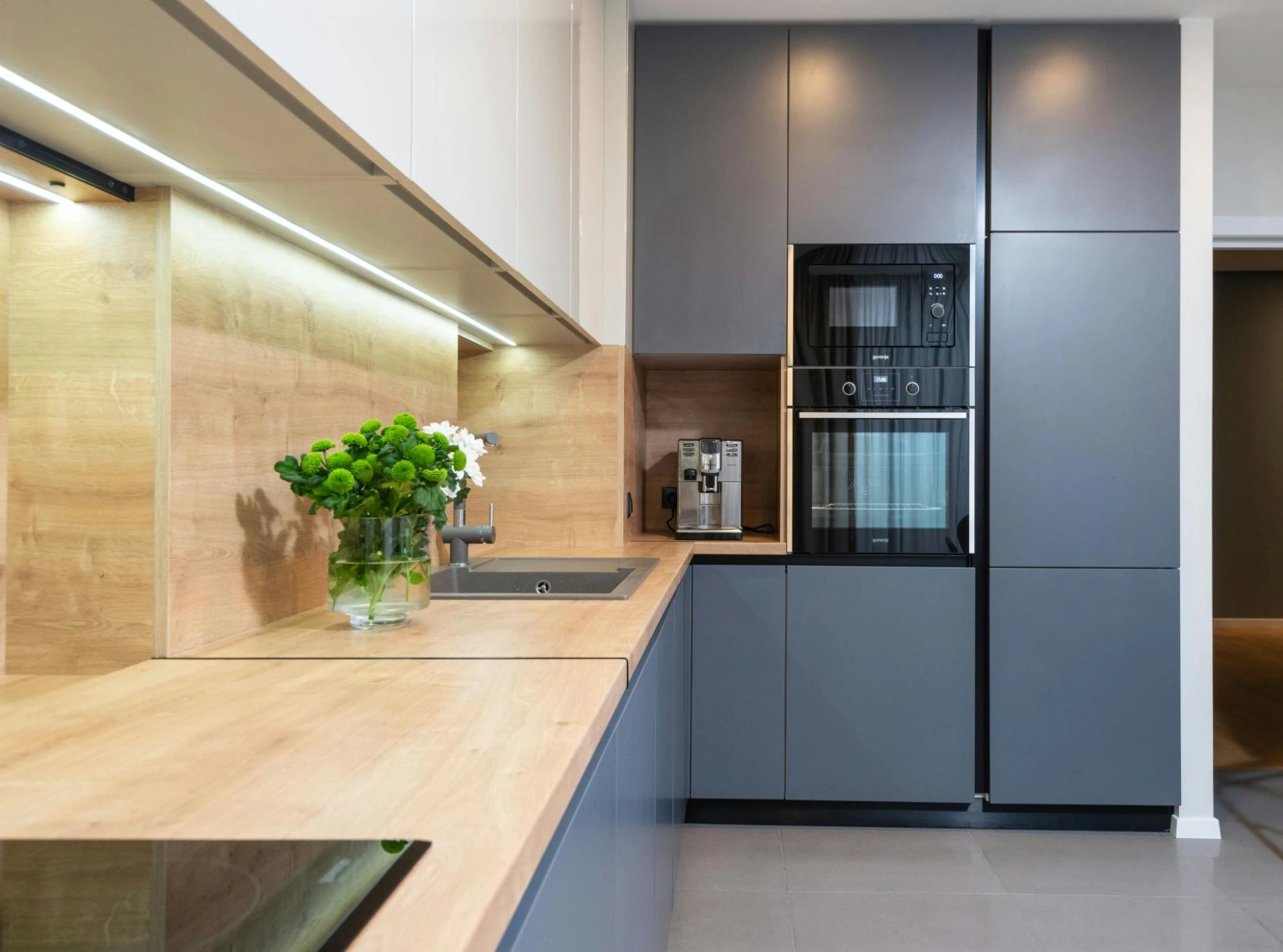
Energy-efficient appliances today aren’t just consuming less power—they’re consuming smarter. Think of smart washers that run at night when energy demand is low or dishwashers that regulate water and energy use based on how big of a load you’re washing. Smart refrigerators track their efficiency and notify you if there’s a problem before they start using excessive energy.
Until you’re in the market for new appliances, don’t forget that proper maintenance can help, too! Keep filters clean, check seals, and ensure vents are unobstructed. Efficient operation is nothing fancy like I mentioned before, but it gets the job done.
Real-Time Energy Monitoring: Know Where It’s Going
You can’t improve what you can’t measure. That’s why home energy monitors exist.
Home energy monitors display your usage as it happens, typically on a smartphone app. You’ll be able to pinpoint the exact time usage increases and which appliances are using energy. Often, you’ll be surprised by what you find.
The dryer could be eating up more energy than you thought. Or maybe your night time usage is too high. When you know what to look for, you can be more conscious about your energy consumption.
Knowledge is power. Power can save you money.
Insulation and Smart Climate Control
Technology can do everything right, but if your house isn’t running efficiently, that technology won’t be as effective. Using smart climate technology with smart insulation is a match made in heaven.
Smart vents allow you to only send air to rooms that you are actually using. Don’t cool or heat the guest bedroom if no one is using it! Zone control allows you to segment your home into areas that can run at different temperatures to reflect how your home is used day to day rather than one temperature setting for the entire house.
Couple that with insulation and caulked windows and your HVAC system won’t need to go full blast to keep your home comfortable. Less energy used, more comfort gained.
The Solar Conversation: A Global Perspective
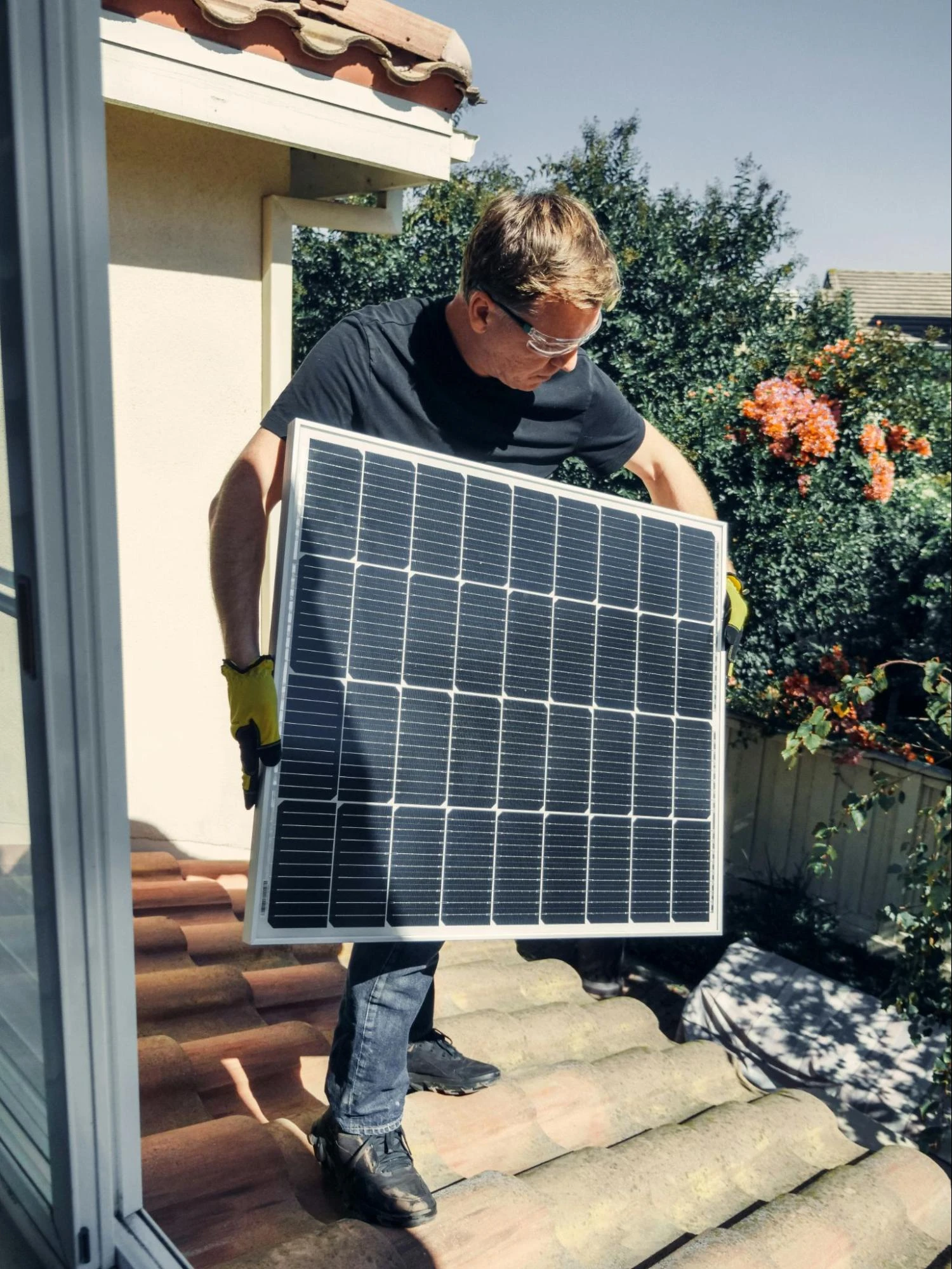
Energy efficiency isn’t just about using less. It’s also about where your energy comes from.
In regions with strong sunlight, renewable energy plays a growing role in home efficiency planning. In places like Australia, where solar conditions are especially favorable, homeowners are increasingly exploring long-term energy solutions alongside smart technology upgrades.
If you’re evaluating your options in sunny climates, it may make sense to consider installing solar panels in your home as part of a broader efficiency strategy. While solar isn’t the focus for every household, combining renewable energy with smart usage habits can significantly reduce reliance on traditional power sources.
The key idea here isn’t one specific solution. It’s thinking holistically. Efficiency isn’t just about gadgets. It’s about how your home produces, stores, and uses energy over time.
Water Heating: The Quiet Energy Giant
Hot water gets neglected, but water heating can be one of your home’s largest energy expenses.
Intelligent water heaters track usage and only heat water on an as-needed basis. Certain models can even be controlled remotely, set to vacation mode or report energy usage. Combine that with low-flow plumbing fixtures and high-efficiency showerheads and you’re well on your way to seeing savings.
You can even cut energy use with just a few small adjustments. Dialing your water heater temperature down a few notches likely won’t impact your comfort levels much, but it can help you save.
Efficiency doesn’t always mean fancy upgrades.
Automation: Where Everything Comes Together
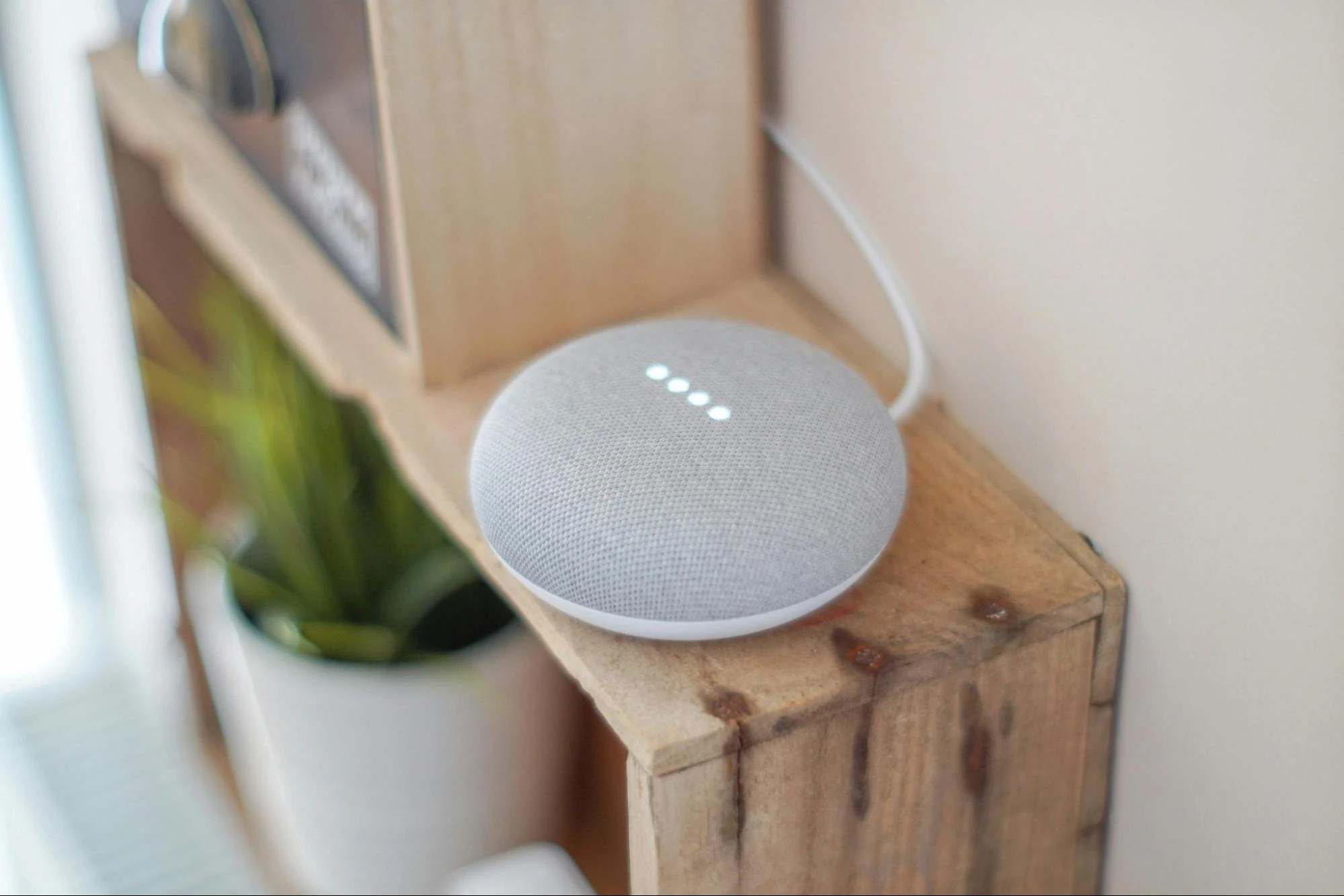
Smart home technology is at its best when devices communicate with each other.
Let’s say you leave for work. You tell Alexa to turn off all the lights, adjust the thermostat, power down unnecessary devices, and arm your security system. At night, your home puts itself into energy-saving mode.
Automation platforms allow you to tie multiple systems into one routine. The beauty isn’t just convenience. It’s consistency. Consistency is key to turning small savings into big long-term effects.
Changing Habits Without Feeling Restricted
Want to know the secret nobody talks about? Technology is great, but habits are still important.
The nice part about smart systems is that they take the work out of being efficient. You don’t need to remember to do anything. Your house does it for you. Eventually, efficiency becomes habitual, rather than forced.
That’s the beauty of it. Reduced energy consumption without skimping on comfort.
Final Thoughts: Small Changes, Big Impact
You don’t have to take every action to create an energy-efficient home in a single day. It’s a process that can happen over time through simple changes.
Be mindful. Automate where necessary. Replace your systems slowly. Focus on your home’s behaviors instead of only usage.
Once you do that, you’ll watch your utility costs lower, your comfort level increase, and your carbon footprint decrease.
Plus, you’ll have a home that’s smarter than just buying into the latest tech trends. You’ll be saving money, reducing waste, and creating a comfortable and efficient environment for your family that’s future-proof.
Now that’s something to feel smart about.