As the demand for low-maintenance yet aesthetically pleasing home decor grows, realistic artificial orchids have become a popular choice. The uncanny similarity to their living counterparts without the constant care makes them an ideal option for beauty enthusiasts.
Identifying the best artificial orchids requires attention to detail and an understanding of quality markers. In this article, we delve into the essential features that distinguish top-tier faux florals from their less convincing versions. Keep reading to ensure your artificial orchids are indistinguishable from the real thing.
Selecting Realistic Artificial Orchids: Key Features to Consider
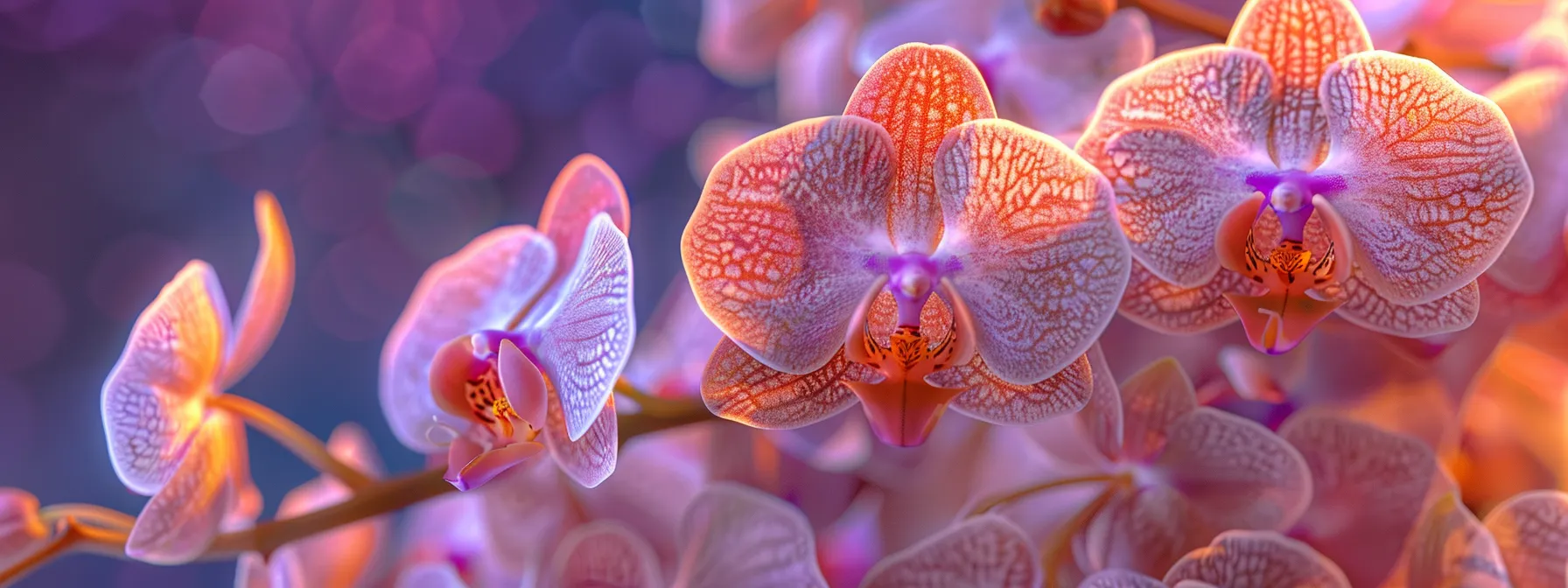
The first step in choosing a realistic artificial orchid is to look for intricate details that mimic nature. The petals, leaves, and stems should have a lifelike structure, veining, and color gradients that are characteristic of natural orchids.
Variation within the flowers and foliage is a sign of quality, as real orchids are seldom uniform. Check for subtle differences in petal size, shape, and color patterns to ensure that your selection closely represents a genuine orchid’s natural appearance.
To make a confident choice, compare different artificial orchids side-by-side. Assess their visual appeal from various angles and distances to determine which ones possess the realistic charm you’re seeking. Look for artificial orchids that look real in your comparison.
Material Matters: Evaluating Durability and Authenticity in Faux Orchids
The materials used in artificial orchids significantly affect both their durability and authentic appearance. High-quality faux orchids often combine materials like silk, latex, or polyurethane to achieve a convincing texture and resilience.
Silk is praised for its delicate, lifelike appearance but may not withstand direct sunlight or moisture well. On the other hand, latex and polyurethane provide a more durable option that can resist fading and maintain structural integrity over time. Assessing the material composition is essential to finding a balance between realism and longevity.
Feel the petals and leaves to gauge their texture. They should be soft to the touch, flexible, and have a slight thickness to them, much like the flesh of real orchid petals. Avoid materials that feel too plastic or rigid, as they often look unnatural and cheap.
Color and Texture: How to Achieve a Natural Look with Artificial Orchids
An authentic look in artificial orchids is largely dependent on getting the color and texture right. True-to-life hues, blended seamlessly with the correct sheen and surface texture, amplify the illusion of reality.
Examine the color variations within the petals and leaves — the best faux orchids showcase gradients and shading that replicate nature’s diversity. Look for a matte finish rather than a shiny one, as the latter can betray the orchid’s artificial nature. Additionally, textures should be irregular and detailed, closely mimicking the veining and tactile feel of an actual orchid. Even the roots and soil, if included, should be convincing.
Invest time in inspecting various options available in stores or online. Use high-resolution images to zoom in on details if purchasing digitally. Feedback and reviews can also be telling, providing insights from other customers who have observed these orchids in a real-life setting.
Care and Maintenance of Artificial Orchids for Lasting Beauty
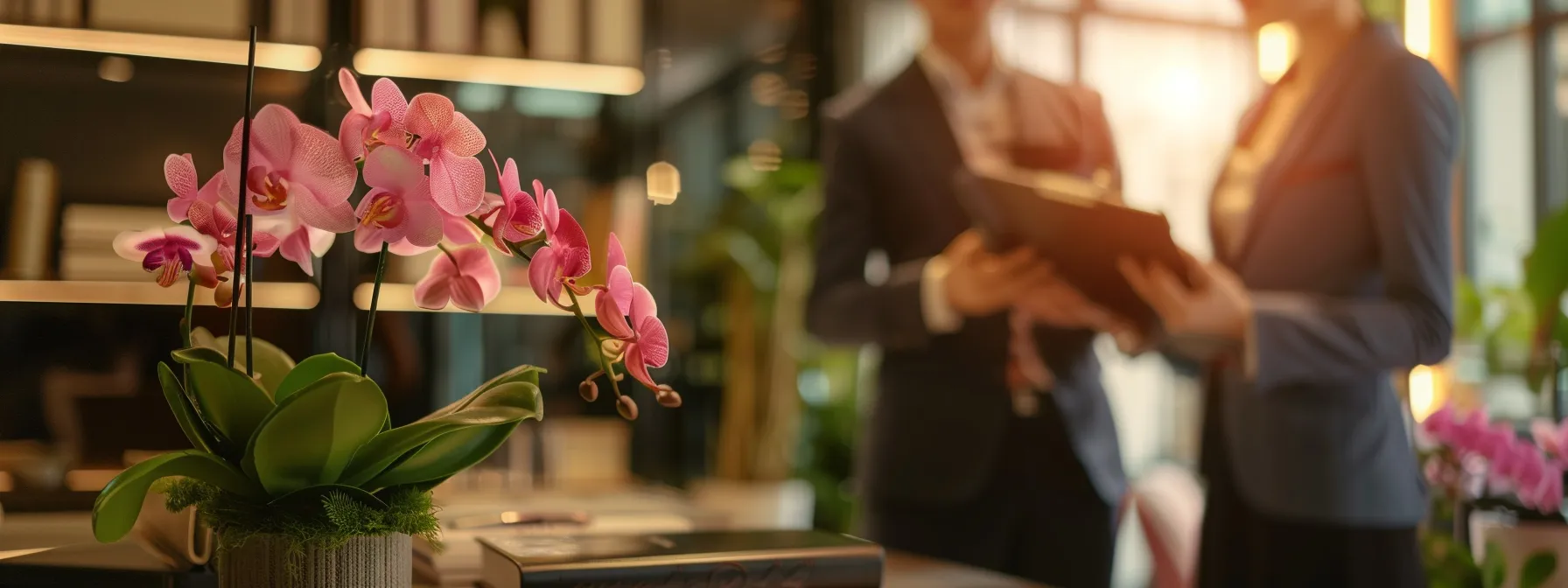
Maintaining the beauty of artificial orchids requires minimal but consistent care. Dust and dirt can detract from their realism, so regular cleaning is crucial to preserve their life-like appearance.
Use a soft brush or microfiber cloth to gently remove dust from the petals and leaves. For a more thorough cleaning, a damp cloth can help remove accumulated grime. However, be wary of using harsh detergents or chemicals that could damage the material and fade the colors.
Positioning your orchids away from direct sunlight and high-traffic areas can help prevent fading and physical damage. Occasional repositioning and reshaping can keep the arrangement looking fresh and vibrant, warding off the static look often associated with artificial plants.
Ultimately, the quest for realistic artificial orchids hinges on a keen eye for detail and material quality, thoughtful consideration of color and texture, and dedicated care and maintenance. Whether enhancing a room’s ambiance or topping off a perfect event decor, the right faux orchids can be indistinguishable from the real thing, delighting observers and owners alike with their enduring beauty.