Embarking on a bathroom renovation can feel daunting, but with the right approach and preparation, it can also be a rewarding and empowering experience. Whether you’re looking to update fixtures, replace tiles, or tackle a complete overhaul, understanding each step of the process can transform your vision into reality.
Understanding the Scope of Your Project
Before you dive headfirst into your bathroom remodel, it’s crucial to define the scope of the project. Are you aiming for a minor facelift with new accessories, or are you planning a significant renovation that includes plumbing changes?
Assessing Your Needs
Start by listing your goals. Consider the following questions:
- What is your budget? Understanding your limits can help determine the scope of your renovations.
- What functionality do you need? Are there issues with the current layout, or do you just want a fresh look?
- Are you prepared for DIY? Some tasks may require professional help, especially plumbing and electrical work.
Once you have a clear picture, you can begin sketching out a plan. This will serve as your roadmap and help you stay focused on your objectives.
Planning and Design
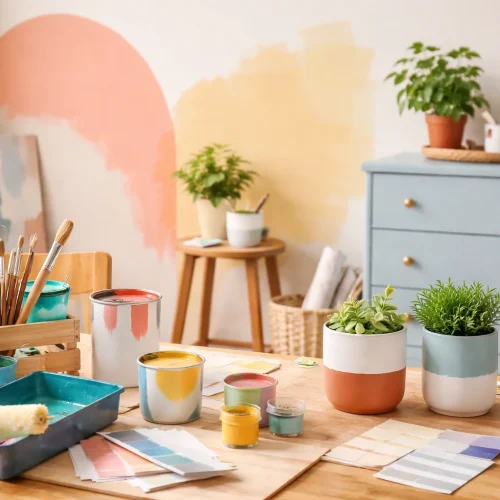
The design phase is where creativity comes into play. You can explore various styles, colour schemes, and layouts that match your vision. It’s essential to consider both aesthetics and practicality during this stage.
Choosing Materials
Selecting the right materials is a critical step in ensuring your bathroom not only looks good but also stands the test of time. Look for durable options that can withstand the wear and tear typical in a bathroom setting. For example, ceramic tiles can resist water damage and are relatively easy to clean.
For tips on updating particular features, such as showers, make sure to check out quality home improvement advice for showers, where you can find guidance tailored to your needs. This resource offers a variety of insights and recommendations to ensure your shower installation goes smoothly.
Essential Tools and Techniques
Once you’ve finalised your plans and materials, gather the necessary tools. Having the right equipment can significantly ease the process, making tasks more manageable. Common tools for bathroom renovations include:
- Tile cutter: Essential for reshaping tiles to fit the design layout.
- Plumber’s wrench: Useful for tasks that involve plumbing or fixture replacement.
- Level and measuring tape: Accuracy is key to achieving a professional finish.
Learning New Skills
Don’t shy away from learning new skills through online tutorials or workshops. Platforms like YouTube feature countless resources, allowing you to watch experienced professionals perform tasks you might not be familiar with. This hands-on learning can provide not only useful skills but also the confidence needed to tackle your project head-on.
Execution: From Demolition to Installation
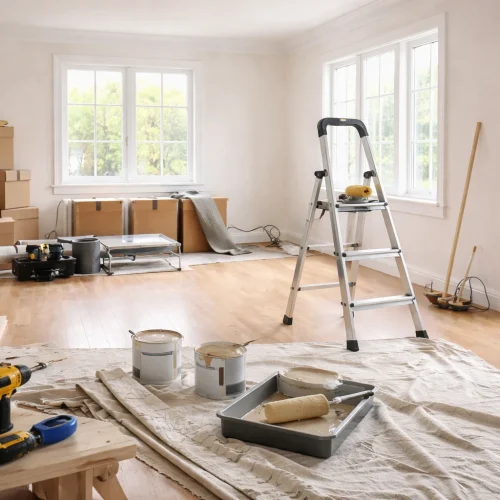
With your plans laid out and skills sharpened, it’s time to begin work. The execution phase typically moves through a series of stages, including demolition, installation, and finishing touches.
Demolition
If your project involves tearing out existing fixtures or finishes, take necessary precautions. Wear safety gear such as gloves and goggles, and be cautious of plumbing and electrical lines that may be hidden behind walls. Save anything you can, as salvaged materials can often be repurposed or sold.
Installation
Follow a logical order when installing new materials or fixtures. Generally, it’s best to start with major components:
- Shower or bathtub: Install these fixtures first, as they often require plumbing adjustments.
- Vanity and sink: Once the main features are in place, move on to installing cabinetry and sinks.
- Tiles: A well-laid tile floor can set the stage for your entire room and should typically be installed after heavy items are secured.
As you work through each task, remain adaptable. Problems might arise pipes may be misaligned, or tiles might not fit as expected. A flexible mindset will ease the stress of potential setbacks.
Finishing Touches
Once the major installations are complete, attention turns to the finishing touches. Painting, adding accessories, and personalising your space can enhance both its functionality and beauty.
Accessorising Wisely
Choose accessories that not only fit your aesthetic but also serve a practical purpose. For instance, add storage solutions such as cabinets or shelves to declutter countertops. This can also provide additional space for toiletries and towels, greatly enhancing the functionality of your space.
Final Thoughts
Completing a bathroom remodel is a significant achievement, and with careful planning and execution, it’s a project that can be tackled as a DIY initiative. Remember to consult resources that provide expert knowledge on specific areas, like home improvement advice for showers, to ensure you’re well-equipped for the tasks ahead.
With perseverance and creativity, your vision for a perfect bathroom can become a reality, delivering not just a fresh space to enjoy but also a sense of accomplishment that comes with a job well done. So roll up your sleeves, embrace the challenge, and enjoy the transformation your dream bathroom awaits!
FAQs
If the work involves cosmetic updates like tiles or fixtures, DIY is often feasible, but plumbing and electrical changes usually need professionals.
Define your budget, goals, timeline, and the level of work you can realistically handle yourself.
Look for water-resistant, easy-to-clean materials like ceramic tiles, sealed stone, and moisture-rated fixtures.
Common tools include a tile cutter, measuring tape, level, plumber’s wrench, drill, and safety gear.
Start with demolition, then install major fixtures, followed by tiles, cabinetry, and finally finishing touches.
Yes, items like vanities, mirrors, and fixtures can often be reused or repurposed if they’re in good condition.
Measure carefully, follow manufacturer instructions, and don’t rush steps like waterproofing or leveling.
Absolutely, proper waterproofing prevents leaks, mold, and costly structural damage over time.
Timelines vary, but small projects may take a few weekends, while full remodels can span several weeks.
Trusted home improvement resources, tutorials, and expert guides provide step-by-step advice for complex tasks.