Homeowners are constantly confronted with choices that affect comfort, safety, and long-term expenses. In many cases, these decisions begin quietly. A roof still appears intact, but issues start to develop.
Energy bills increase without any explanation, and indoor temperatures feel inconsistent. Over time, these problems lead to frustration and uncertainty. At the same time, unclear roofing instructions exacerbate the problem.
Roofing technical terms feel confusing, and different sources offer conflicting advice. As a result, a large number of homeowners delay action in the hope that the problem is going to solve itself. Unfortunately, delays usually result in increased expenses and structural risks.
A clear understanding alters that experience once homeowners understand how roof installation and replacement work, making decisions structured and manageable. Every step follows a logical sequence. Expenses feel predictable, and results feel controlled.
This article explains the fundamentals of roof installation and replacement, so homeowners know when to take action, how the procedure works, and how to preserve long-term value without any hesitation.
Understanding When Roof Installation Or Replacement Is Necessary
Every roof shows warning signs before its failure. With time, roofing material weakens, leaks become more frequent, and insulation performance declines.
At this stage, roof installation replacement planning becomes a viable need, instead of a reactive response. Early intervention averts disruption as opposed to waiting until the roof breaks. The ageing roof allows heat loss, moisture intrusion, and structural stress.
Consequently, operating expenses increase, and interior damage becomes more likely. When the warning signs are addressed by the homeowners at the earliest, they retain control over the timing and decision-making.
Moreover, repeated roof repairs often indicate deeper underlying constraints. Repairs can provide temporary relief, but they rarely address material fatigue and outdated roofing systems.
Thus, being aware of instances where roof replacement is required rather than fixing it keeps comfort and financial stability. A clear assessment eliminates speculation. When roof performance declines consistently, homeowners can plan rather than respond to emergencies. This approach results in improved performance and fewer surprises.
Getting The Home Ready Before Roofing Work Begins
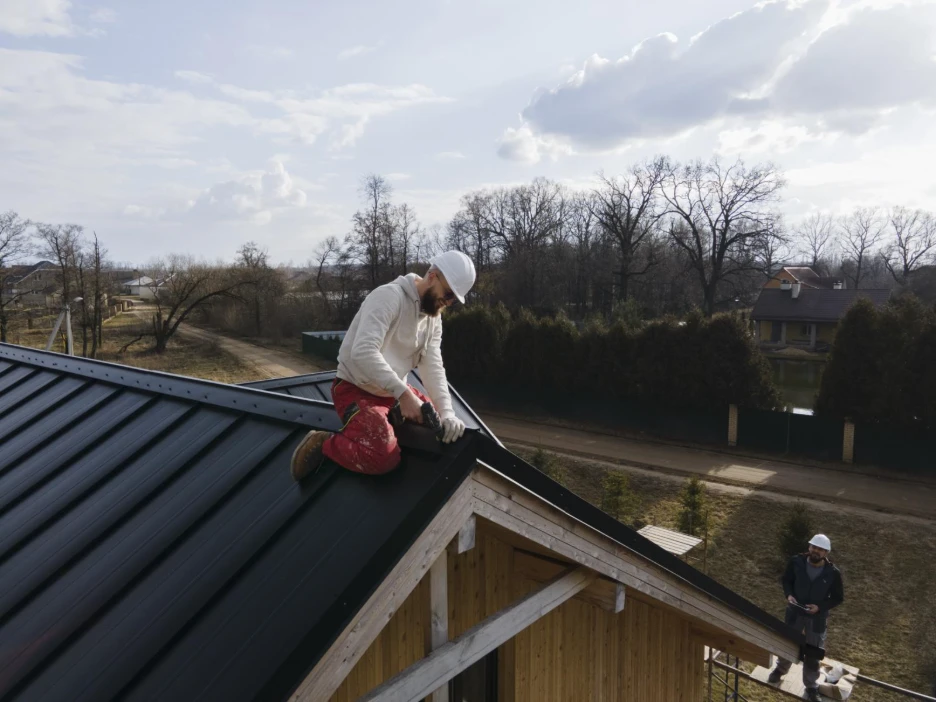
When the need is clear, it should be followed by preparation. Before any successful roof installation or replacement, it is always a good practice to carefully review the current setup.
Roof slope, load capacity, ventilation, and decking condition all influence the final solution. Even new roof systems can fail to perform without preparation. Poor ventilation shortens roof life, and incorrect material selection reduces durability.
As a result, even minor planning mistakes can lead to long-term performance problems. Preparation also helps identify constraints at an early stage. Structural constraints, outdated underlayment, or drainage issues may affect installation choices.
Addressing these factors at an early stage eliminates the need for costly changes in the future. Meanwhile, clear goals should be established by homeowners. Some prioritize durability and weather resistance, while others focus on energy efficiency and long-term performance.
When the goal is clear, planning remains focused. Consequently, preparation creates an easy transition from decision to implementation.
Choosing the Appropriate System and Materials
Selection is the next step after preparation. The right roofing system includes more than price comparison. Homeowners are expected to consider durability, climate suitability, and long-term performance.
Modern roofing material meets updated standards for weather resistance and insulation. They save energy usage and produce a steady output. In the long run, this efficiency reduces operating costs and enhances comfort.
Durability is also affected by materials. Quality roofing material resists cracking, warping, and moisture damage. The initial costs might be higher, but long-term value usually outweighs short-term savings.
Compatibility is also an important factor. The roofing material should align with the structure of the house and the surrounding environmental conditions. When components work together, performance remains consistent. Therefore, careful selection supports reliability and long-term satisfaction.
Significance of Professional Roof Evaluation

A professional roof assessment is necessary even after proper preparation and material selection. Roof specialists detect problems homeowners are unaware of, including hidden leaks, compromised decking, and ventilation imbalances.
These undetected problems can hamper roof performance when unchecked. Early detection by the professionals prevents structural damage and premature roof failure.
Consequently, installations work as expected initially. Building and roofing safety standards are also checked through professional assessment. Laws are put in place to safeguard property and the homeowner.
Effective assessment minimizes risk and avoids complications in the future. Above all, professional contribution substitutes assumptions with verified roofing data. Making decisions based on valid data results in predictable outcomes. When decisions are based on reliable data, the outcome is reliable and dependable.
Learning the Installation or Replacement Process
Once the assessment is complete, the process follows a certain sequence. To start, the teams remove the old or damaged roofing material with caution. This safeguards the neighboring areas and site preparation.
Next, they prepare the roof surface, including deck repairs, underlayment installation, and drainage alignment. This preparation forms a stable foundation for the new roof.
Subsequently, technicians mount the new roof in an accurate fashion. Proper positioning, fastening, and sealing are important at this phase. Finally, testing is done to ensure correct installation and weather resistance.
The steps are progressive, one after the other. Omitting steps may compromise roof durability and safety. Therefore, a well-organized process provides uniform outcomes.
Maintaining Roof Performance After Completion
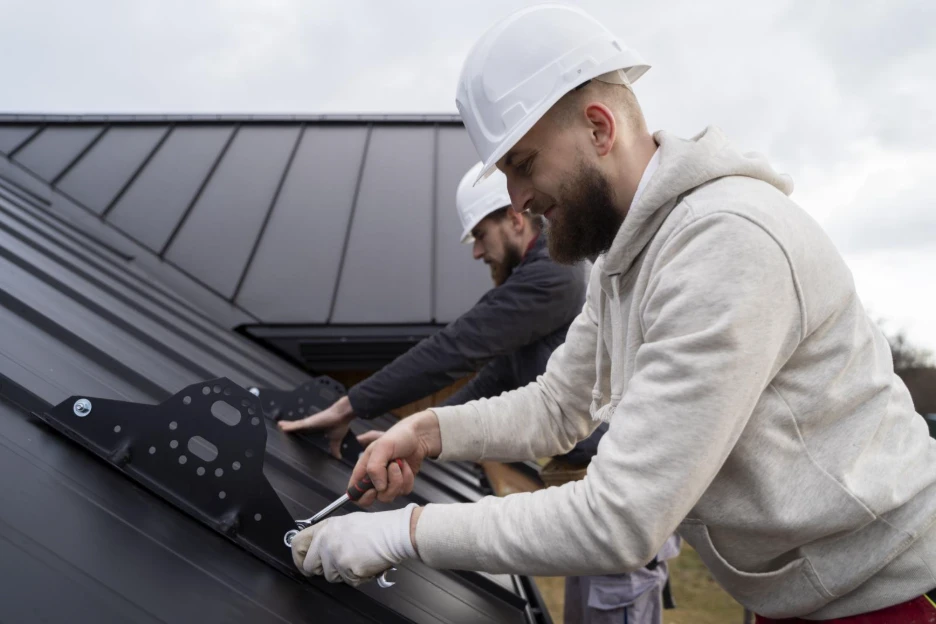
Roof installation or replacement does not absolve responsibility. Constant roof care is vital in long-term performance. Frequent checks would help detect minor issues before they develop into major problems.
Maintenance ensures the safety of roofing materials from weather-related damage. Even well-built roofs deteriorate with time unless they are maintained. On-time service helps avoid unnecessary wear and extends the roof’s lifespan.
Documentation also matters. Informed decisions in the future are supported by roof warranties, inspection reports, and service records. Maintaining records can make it easy to plan maintenance.
In the long run, constant monitoring safeguards the initial investment. Well-maintained roofs provide safety, energy efficiency, and peace of mind over the years.
Final Thoughts
Roof installation and replacement decisions determine the ways a home operates on a daily basis. Uncertainty is eliminated when homeowners are aware of the process. Every stage is logically related, from initial roof assessment to maintenance in the long run.
Effective action results from clear knowledge. Preparation reduces risk. Appropriate material selection enhances durability. Professional assessment ensures accuracy. Fully planned implementation brings about stability, and ongoing care protects value.
Roof installation and replacement are strategic upgrades that can be achieved with the right approach, rather than stressful challenges. They promote structural integrity and long-term peace of mind for homeowners over the years.